
Monday, November 16, 2026Nov 16

Syria’s Palmyra: Ghost town bearing scars of IS destruction

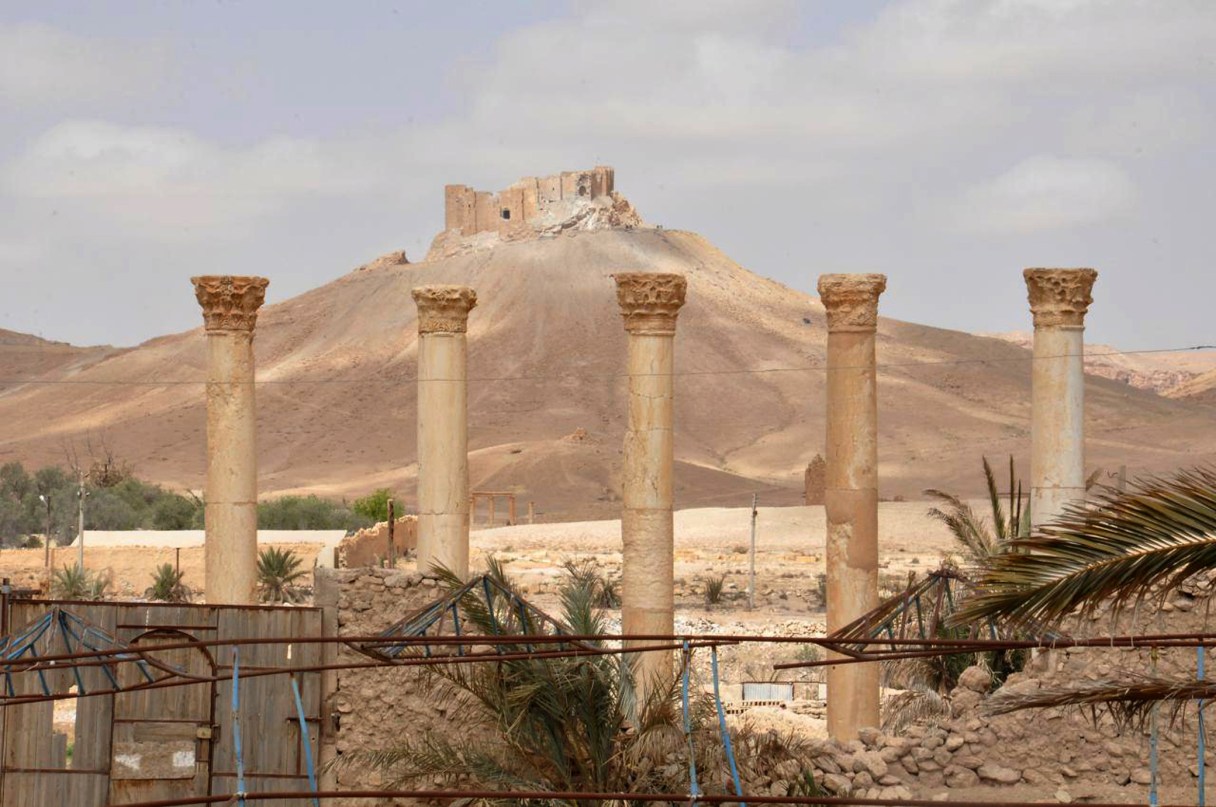
This photo released on Sunday March 27, 2016, by the Syrian official news agency SANA, shows a general view of Palmyra citadel, central Syria. Palmyra is an archaeological gem that Syrian troops took back from Islamic State fighters in central Syria. The amount of destruction found inside the archaeological area in the historic Syrian town of Palmyra was similar to what experts have expected but the shock came Monday from inside the local museum where the extremists have caused wide damage demolishing invaluable statues that were torn to pieces. (SANA via AP)

PALMYRA, Syria (AP) – Explosions rocked the ancient town of Palmyra on Friday and on the horizon, black smoke wafted behind its majestic Roman ruins, as Syrian army experts carefully detonated hundreds of mines they say were planted by Islamic State militants before they fled the town.

An Associated Press crew visiting the town Friday witnessed firsthand the destruction inflicted by the extremist group on the town’s famed archaeological site, less than a mile away from the modern-day town of the same name, now completely deserted.

While some parts of the site, including the Roman-era grand colonnades and amphitheater appeared relatively untouched, the damage was very much visible elsewhere.

The remarkable Arch of Triumph, built under the Roman emperor Septimius Severus between A.D. 193 and A.D. 211, has been reduced to a pile of stones, blown up by IS extremists who filmed the destruction for the world to see. The monumental arch once sat atop the famed colonnaded streets of the ancient town.

The Temple of Baalshamin and parts of the Temple of Bel, one of the best-preserved Roman-era sites, are also destroyed.