
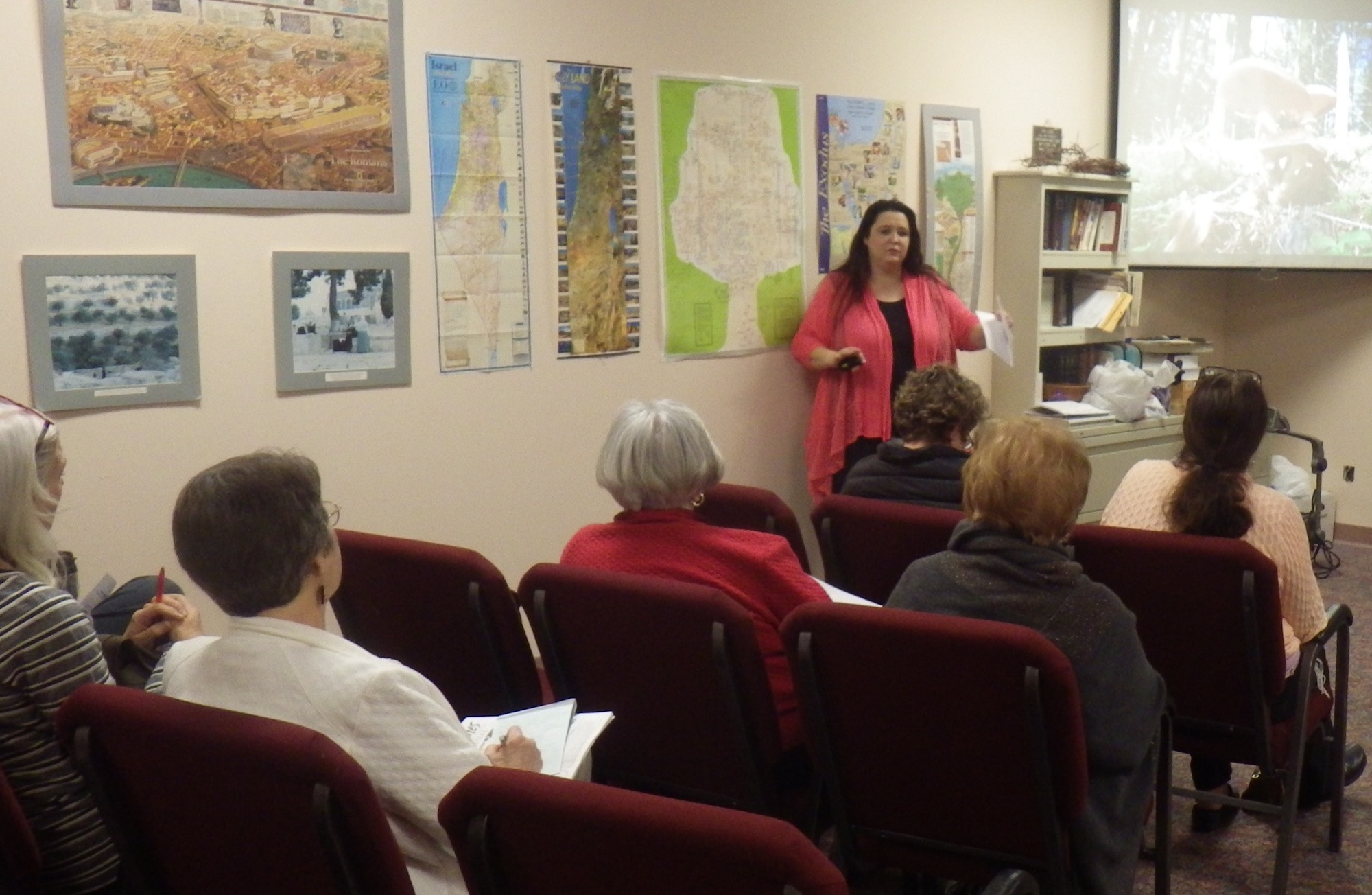
Expo seminar schedule and speakers
CLASSROOM ASaturday, April 911:30 a.m. Proper Pruning – John Nessle1 p.m. Growing, Propagating and Plaquing Staghorn Ferns – Mark Issenberg2:30 p.m. Growing Wild Things in a Polite Neighborhood – Linda Fraser4 p.m. Lawn Care Questions and Answers – Tom SamplesSunday, April 1011:15 a.m. All About Bees – Ken Dale12:45 p.m. Aeroponic Tower Gardens – Robert Fanslow2:15 p.m. Wits End: A Collector’s Garden – Troy Marden3:45 p.m. Intercropping Mushrooms With Veggies – Angel MillerCLASSROOM BSaturday, April 911 a.m. The Art of Bonsai – Jim Gumnick12:30 p.m. Growing Vegetables – Katie Bishop2 p.m. Container Gardening – Connie Giles3:30 p.m. Save Our Pollinators – Ann Brown and Beth Rice5 p.m. Composting – Bud HinesSunday, April 1011 a.m. Good Bugs, Bad Bugs – Tom Stebbins12:30 p.m. Why Grow Herbs – Pat StewartSource: Master Gardeners of Hamilton County
If you go
› What: Master Your Garden expo.› When: 10 a.m.-6 p.m. Saturday, April 9; 10 a.m.-5 p.m. Sunday, April 10.Where: Camp Jordan Arena› Admission: $5 ages 13 and older (ticket good both days).› Website: mghc.org.
Also read
Soddy-Daisy church schedules plant giveaway
With spring planting season just a couple weeks away, the Master Gardeners of Hamilton County are ready to help novices or experienced horticulturalists achieve success in their gardens.
Blooms, bugs, birds, bees, bonsai and much more will be among the topics, displays and demonstrations at Master Your Garden, a gardening expo being held at Camp Jordan Arena on Saturday and Sunday, April 9-10. The area’s biggest garden expo offers vendors, demonstrations, educational activities, a children’s area, exhibits from area gardening societies and two days of horticulture workshops all in one convenient location.
Best of all, visitors can get free expert advice from Master Gardeners, who will staff booths to answer visitors’ questions one-to-one.
Carol Matthews, Master Gardener and event chairwoman, says planning for this event has been in the works for a year. Proceeds from the expo will help fund next year’s expo, Master Gardener community-service projects and scholarships for high school seniors or collegians who plan to go into agriculture.
The first expo four years ago drew 700 visitors; 1,600 passed through arena doors last year.
“We expect 2,000 this year,” Matthews says.
“We have 65 exhibitors, and most of them will have incentives for visitors,” she adds. “Depending on the type of business, they might offer free consultations, plant discounts, offer a special show price on plants or have a drawing.” Vendors, as well as Master Gardeners and expo sponsors, donate door prizes that will be awarded throughout the weekend.
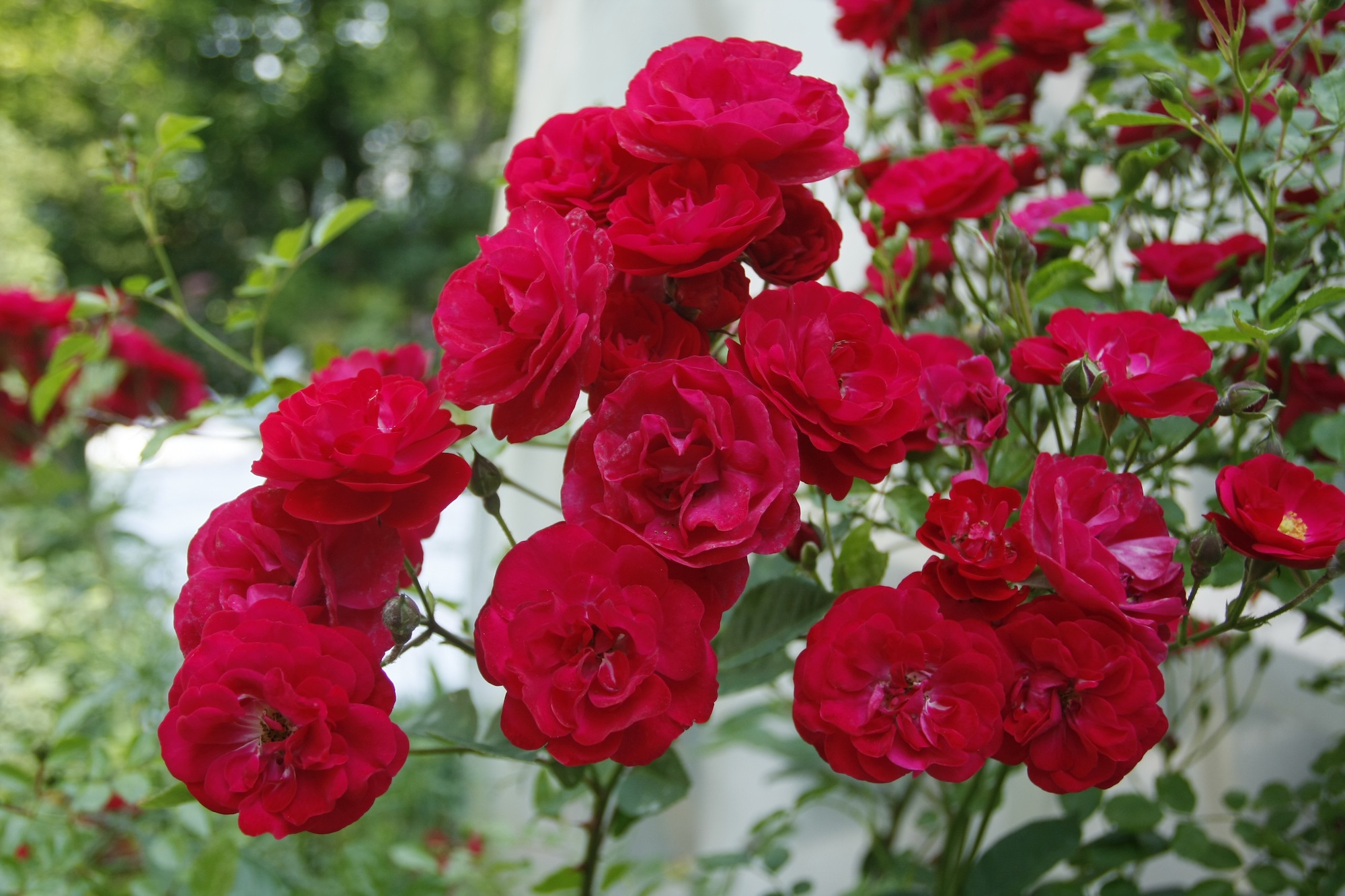
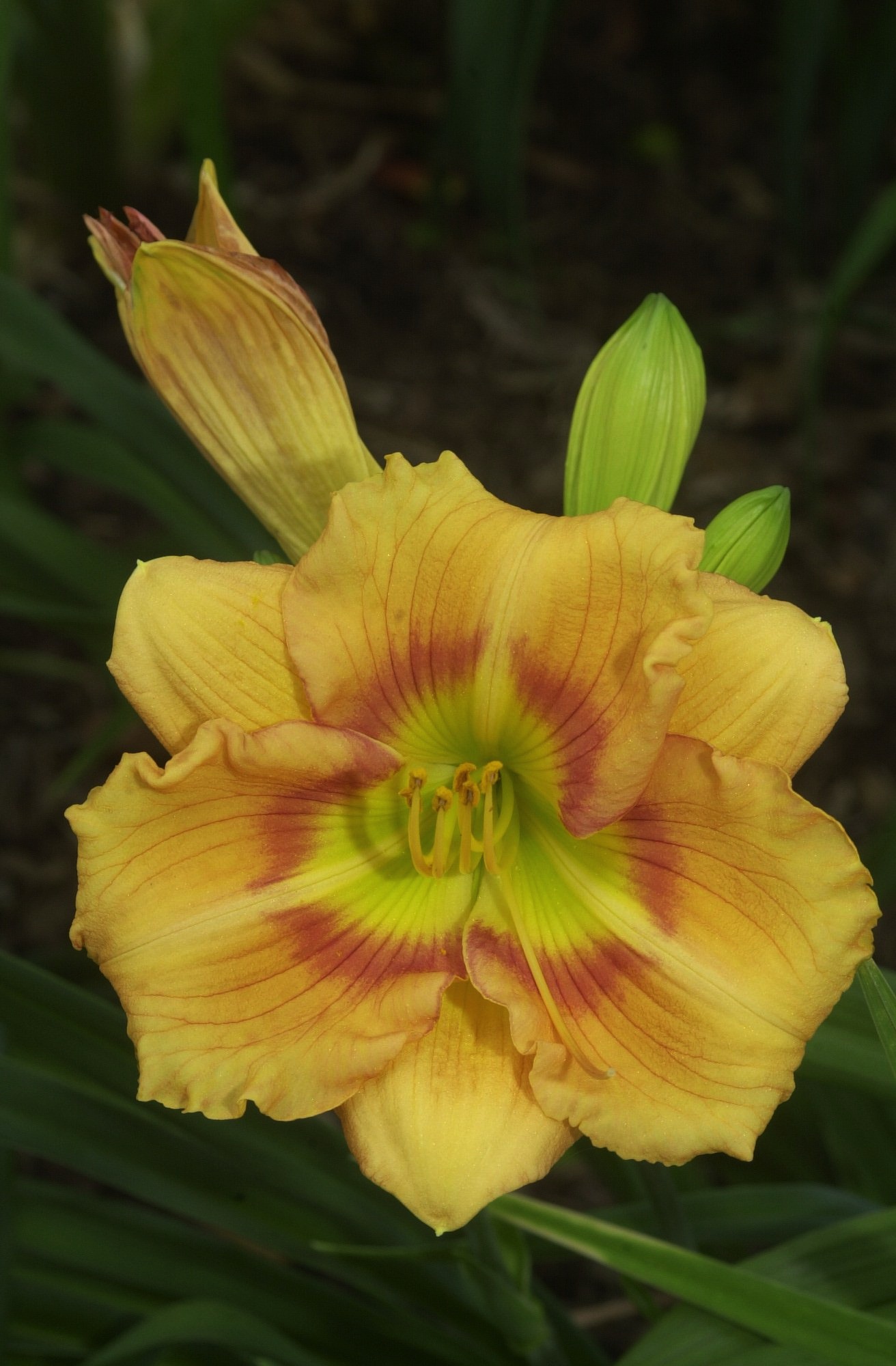
In the marketplace, vendors will display and sell bonsai trees, daylilies, ferns, herbs, mushrooms, roses and orchids, as well as tools, pottery and yard art.
Matthews points out that a second day of informational workshops has been added this year due to the popularity of these gardening classrooms. Among the 15 classroom topics will be pruning, growing staghorn ferns, lawn care, drawing bees and other pollinators to the yard, container gardening, composting and how to grow herbs and vegetables.
Does this winter’s mild weather portend an increase of summer bugs?
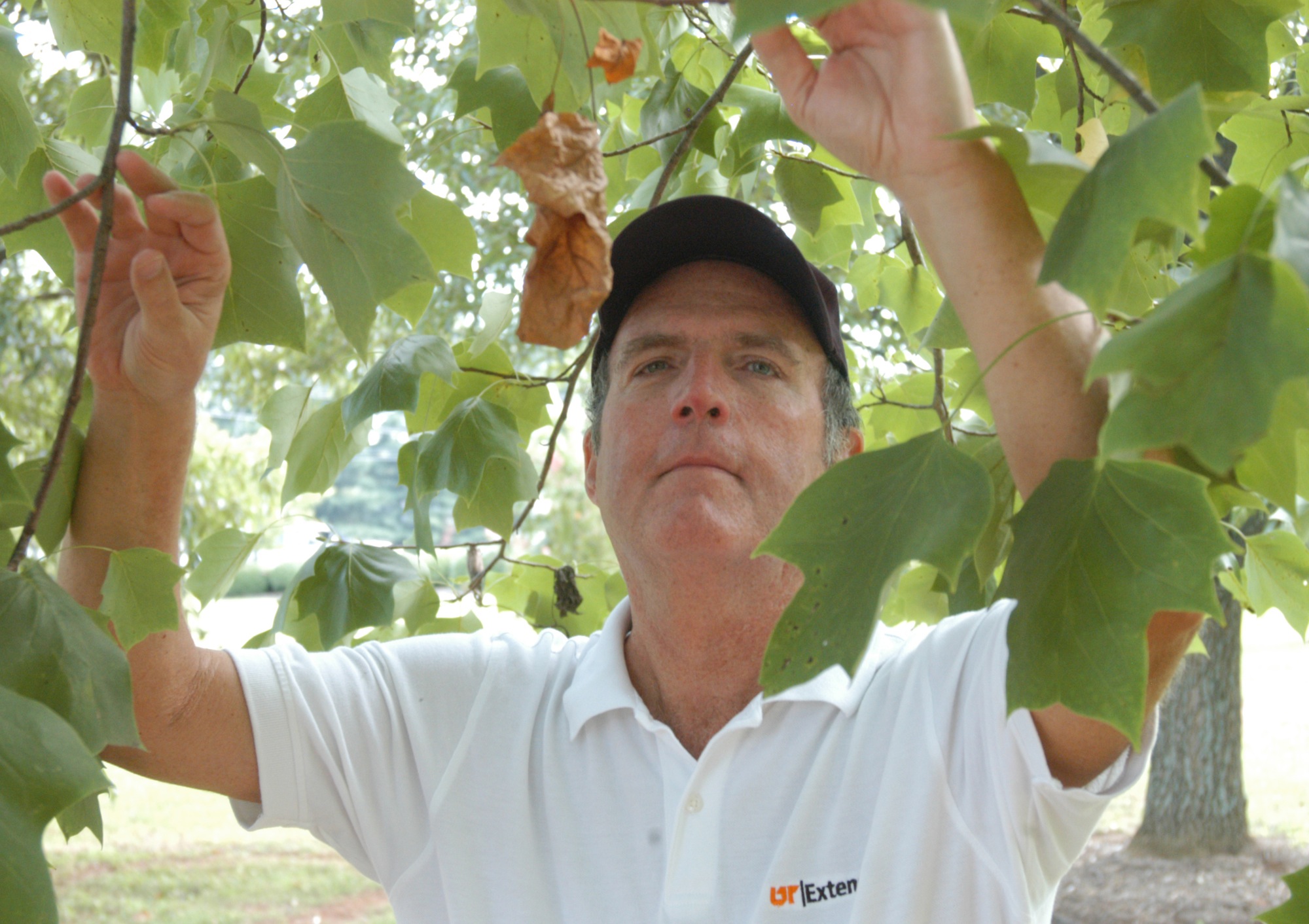
It’s not always that cut-and-dried, says UT Extension Agent Tom Stebbins, but he’ll prepare gardeners for any situation with his classroom on “Good Bugs, Bad Bugs.”
“There are a lot of good bugs in the garden. I’ll name ones we should look for so we don’t spray and remove bugs like ladybugs, dragonflies, spiders [and] ground beetles,” says Stebbins. “The ones you don’t like are mites. Most of the ones we see will have two spots on them, and they are called the two-spotted spider mite. Leafminers leave tracks on leaves; we see them on boxwoods and azaleas. Scale is another nasty one that is an insect but doesn’t look like an insect.”
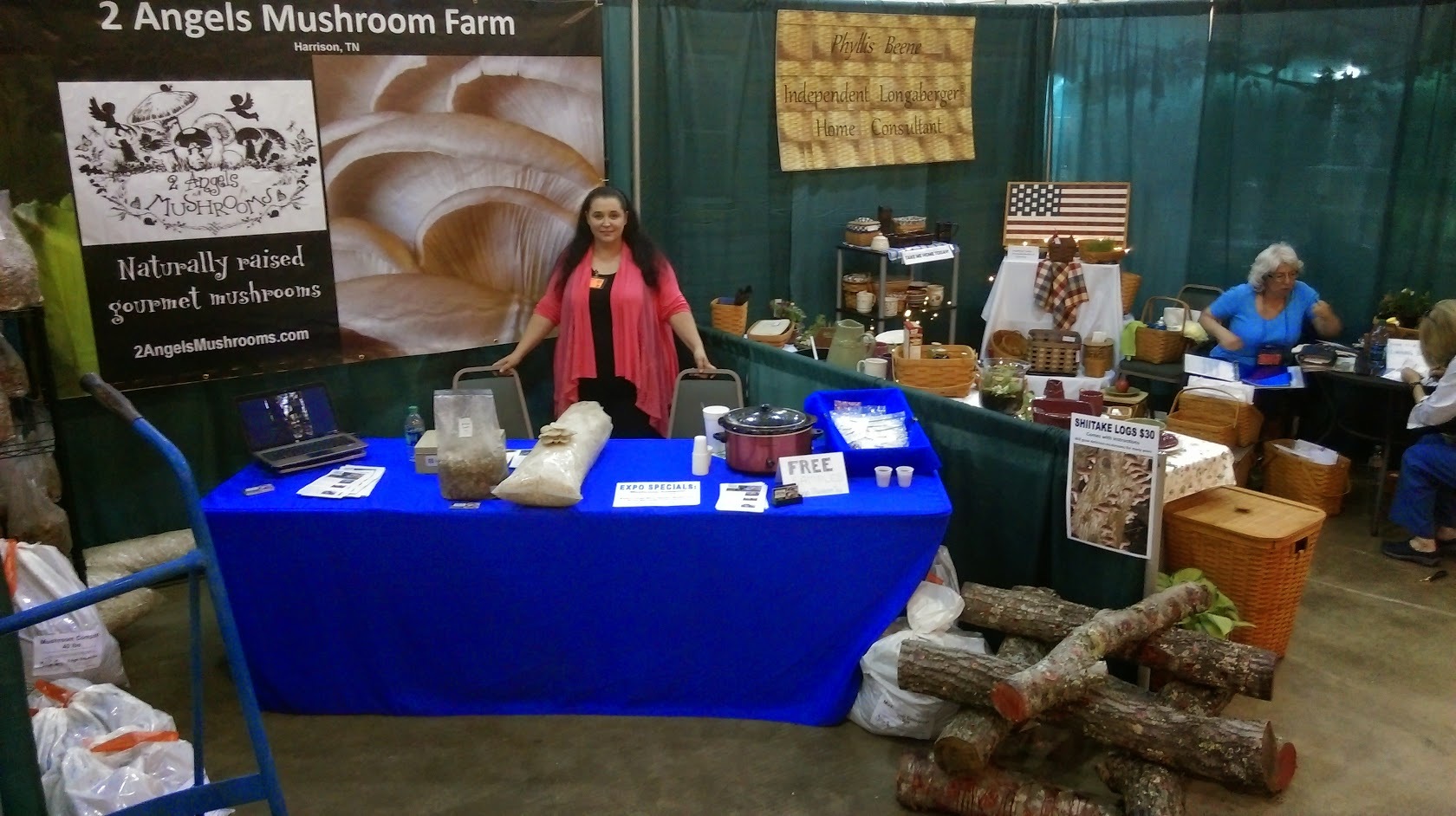
Angel Miller, Master Gardener and owner of 2 Angels Mushroom Farm, says she has “a really fun presentation” on Sunday afternoon about growing portobello or oyster mushrooms and vegetables together. Everyone who attends her workshop will get an outline to take home and can purchase a 5-pound bag of live spawn at her booth to get started.
“Intercropping mushrooms and vegetables creates a symbiotic relationship, and they help each other. Plants with larger leaves like squash or cucumber provide shade for mushrooms. In turn, mushrooms break down large organic molecules in the soil for plants’ roots to absorb,” she explains.
Ann Brown and Beth Rice will lead the classroom on saving pollinators, a topic of major concern to horticulturists.
Brown says they’ll have handouts that cover products toxic to pollinators, recommended plants for a pollinator garden as well as the types of shrubs and trees that will bring bees, hummingbirds and monarch butterflies to yards.
“It’s basically a presentation on the decline of pollinators in the world. I’ll go through the different reasons for that, and I focus on the use of pesticides in the U.S. and how this is affecting the habitat of pollinators,” says Brown, a Master Gardener and member of Wild Ones, which advocates for the use of indigenous plants in the landscape.
“Gardeners can reverse this trend by planting pollinator gardens in our yards and either reduce or completely eliminate use of pesticides in our gardening practices. It’s the idea we can save the world ‘one yard at a time.'”
Contact Susan Pierce at spierce@timesfreepress.com or 423-757-6284.