
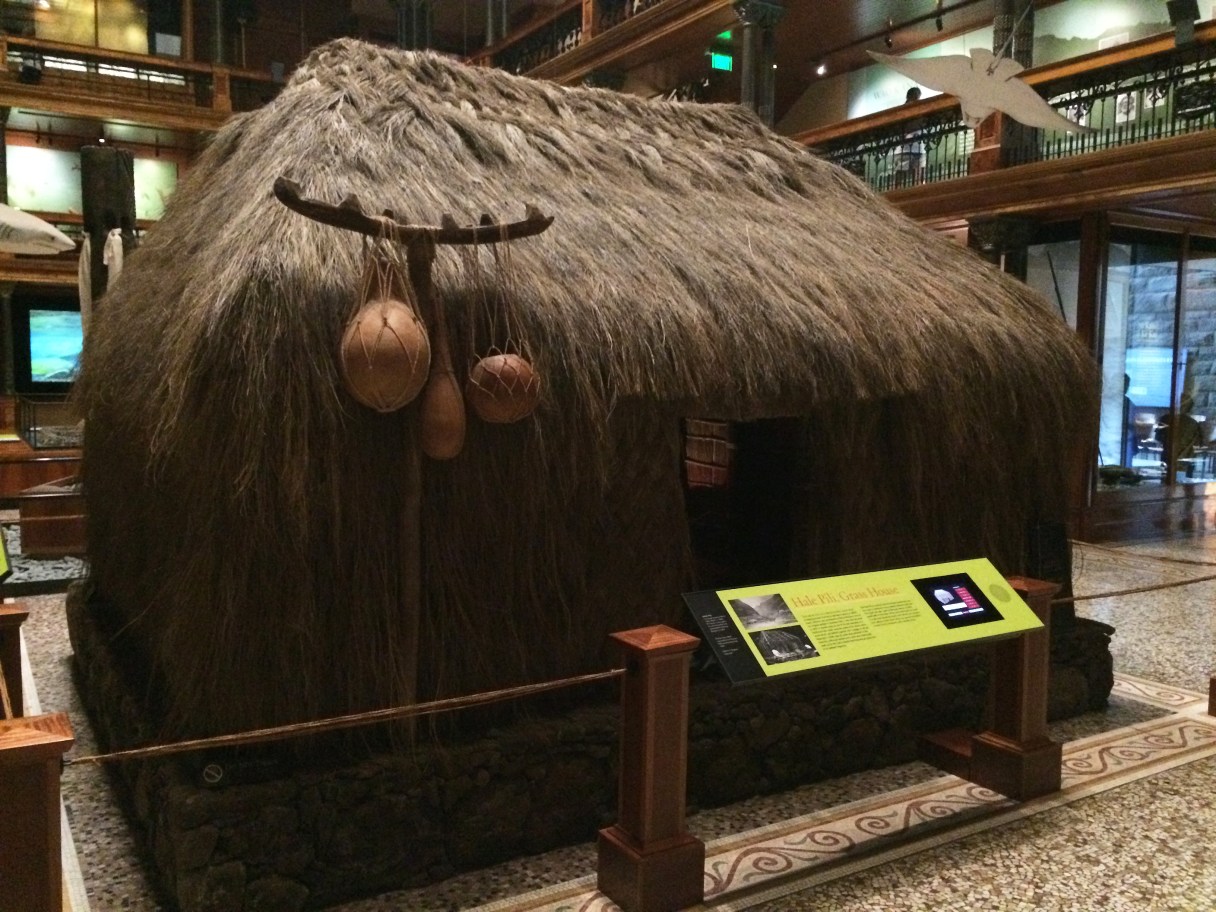
HONOLULU (AP) – When Daniel Anthony spent the night sleeping in a traditional Hawaiian structure known as a “hale,” the sound of rain falling on the thatched roof made him feel like he was sleeping in the forest.
“This is the sound of aloha,” he said, recalling the experience. The hales, he said, are also a solution to a crisis of homelessness in Hawaii, which has the highest rate of homelessness per capita in the nation.
Anthony, lawmakers and community members are pushing to revive the Hawaiian tradition of living in hale (pronounced hah-lay), thatched homes made from local trees and plants as a way to provide more affordable housing.
Though a bill to ease restrictions on building hale died after critics brought up safety concerns, advocates are trying to bring attention to a type of housing that celebrates culture and uses environmentally sustainable techniques to house the homeless.
“If we can use invasive species, which we’re saying is out of control, to construct housing in an area where they say we’re in a housing crisis, how is this not a solution?” Anthony said.