
There have been only a handful of times in my life when I would characterize exposure to a new technology as a life-altering milestone.
Until recently, I was thoroughly convinced that my introduction to the smartphone via the iPhone in 2007 would be the most profound example of a technology redefining my life. After experiencing a very bare-bones form of virtual reality recently, however, the iPhone may end up dethroned or, at the very least, needing to scoot over a bit.
 Casey Phillips
At its core, virtual reality is the creation of an immersive digital world displayed via a computer-powered head-mounted display that reacts in real time to the user’s movement. With the recent launch of the Oculus Rift and HTC Vive headsets, VR is finally consumer-ready and at least somewhat mainstream.
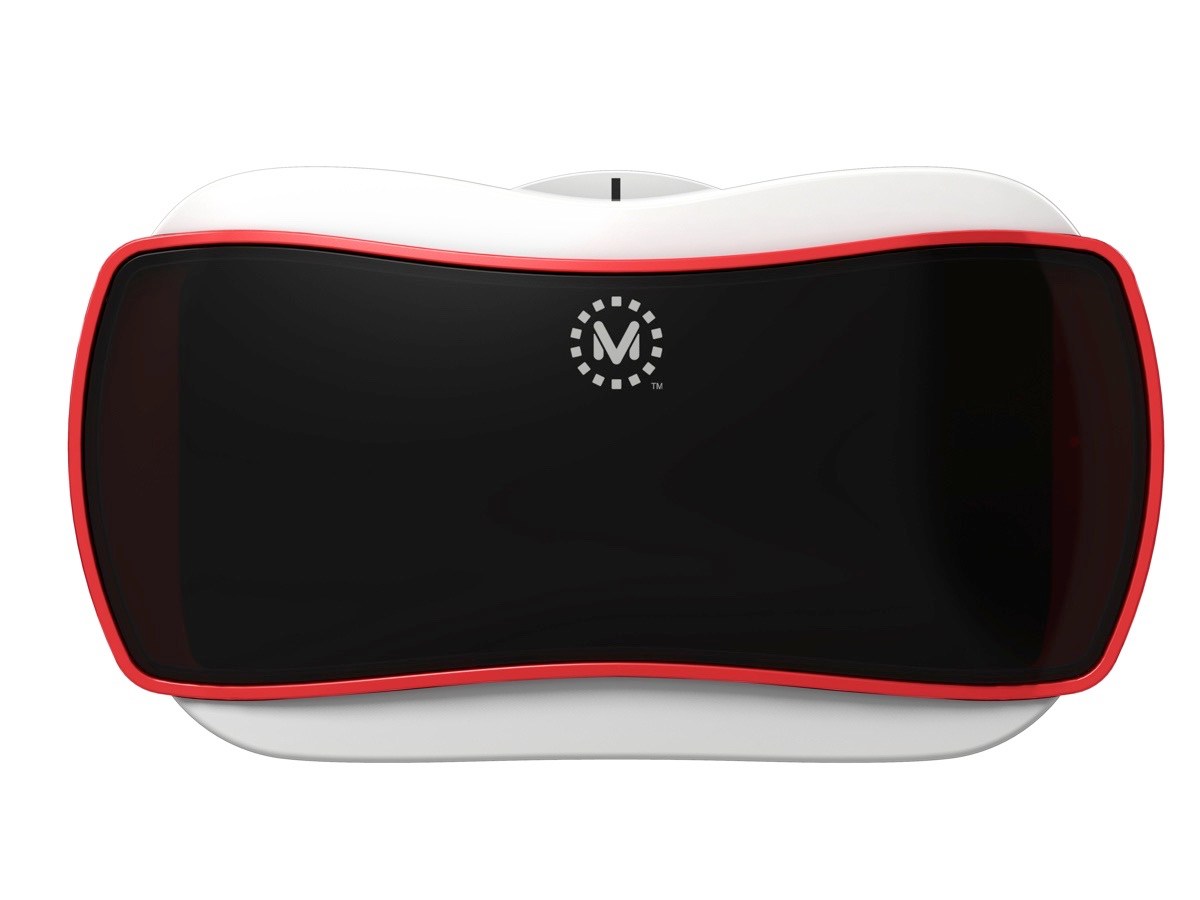
Aside from a brief demo last year of a VR experience created for the Tennessee Aquarium, my first real exposure to this technology was when my wife and I recently purchased a View-Master VR Viewer headset. (Yes, it’s a modern reboot of the 3-D photo toy of yore.)
The View-Master – $30 at retail, cheaper online – is really just a goggle-shaped plastic case designed to hold a smartphone, which you align so that two images displayed on either side of the screen are projected via a pair of lenses into your left and right eyes. The result is a somewhat blurry form of 3-D that is nonetheless impressive since the image on the phone, which is doing all the heavy lifting, changes to reflect your head’s orientation.
What few VR apps there are on smartphones are pretty basic, but even “Liftoff VR,” a vaguely interactive movie of a SpaceX rocket launch, is amazingly immersive when the image fills your view and reacts seamlessly to your movement. Given the low production values, looking down at the rapidly dwindling Earth or up at the diamond splay of stars after achieving orbit were surprisingly moving.
Last week, I took the View-Master around the office like some kind of VR evangelist escorting a holy relic of red plastic and rubber. Without fail, anyone I foisted the device upon was awed.
Simply reading about VR isn’t enough, though. To understand how impactful it will be in years to come – the VR market is expected to be worth $30 billion by 2020 – you really need to experience it yourself, whether through the View-Master, the DIY-friendly Google Cardboard initiative or, for those with exceptionally deep pockets, the Rift or Vive.
And once you do, be sure to drop me a line. I’m virtually certain you’ll say I’m right.
Contact Casey Phillips at cphillips@timesfreepress.com or 423-757-6205. Follow him on Twitter at @PhillipsCTFP.