











Sometimes I think allergies are the Rodney Dangerfield of health because they aren't respected or feared like heart disease.
Food culprits
The following foods are high in histamines, which can make pollen allergies more painful.› Tomatoes, spinach, celery, bananas, blue cheese, kimchi, mushrooms, walnuts, cashews, smoked salmon, strawberries, kiwi, red wine, apples and melonsSource: Food Intolerence Network, a nonprofit staffed by biologists and medical professionals
Dodging pain
› Avoid taking your daily run, gardening or stroll between 5 a.m. and noon, when plants release the most pollen.› Wash your clothes and take a shower when you get home for the day; pollen clings to clothing, skin and hair.› Bring outdoor sports inside a gym when possible.› Wipe down your pets with a damp cloth; pollen sticks to their fur.› Use a saline spray to clean nasal passages.
Most of the 36 million Americans who battle sinus congestion, phlegm-loaded coughs, headaches and itchy eyes have no idea that a gorgeous summer salad can sometimes make allergies even worse.
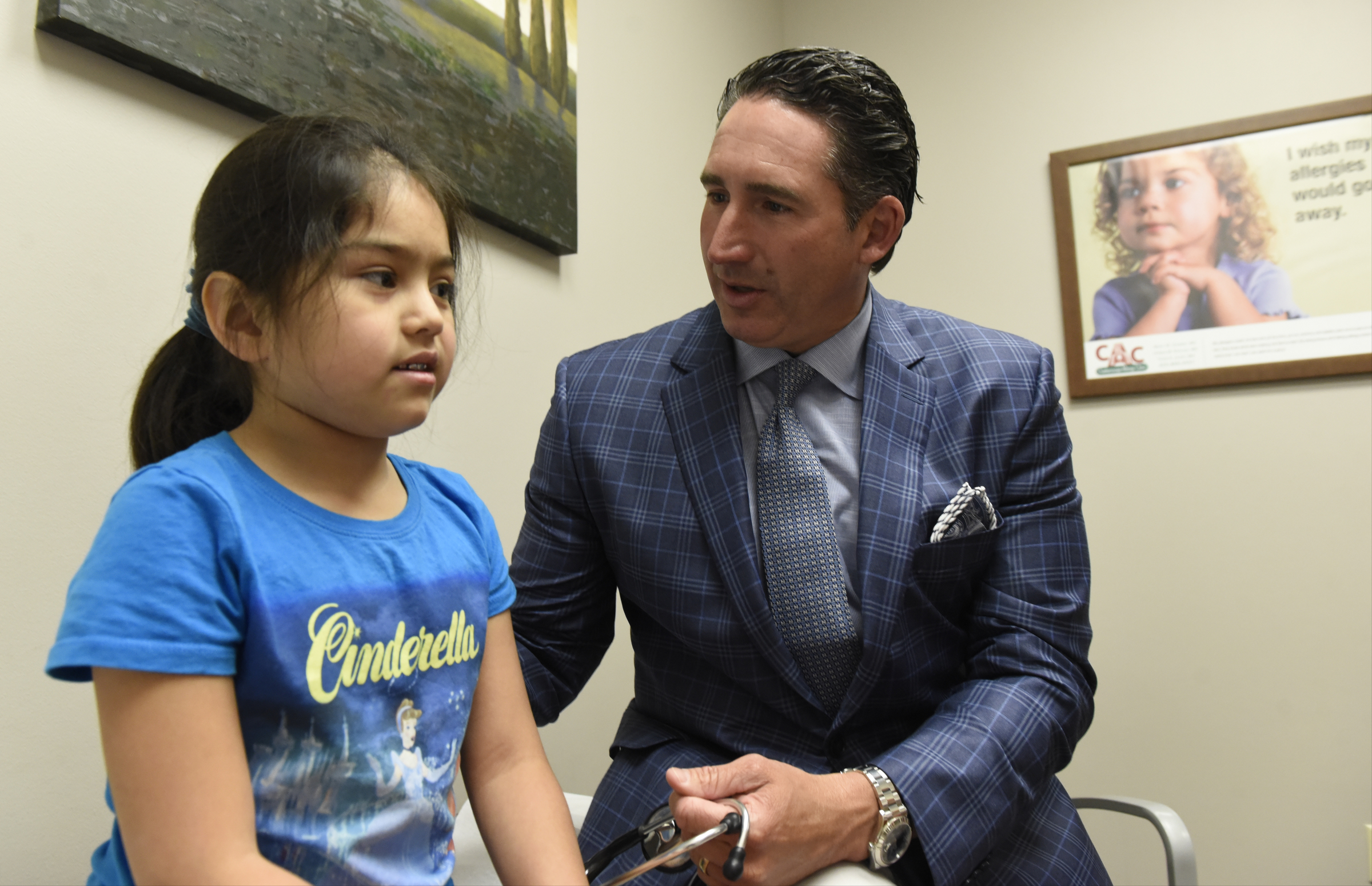
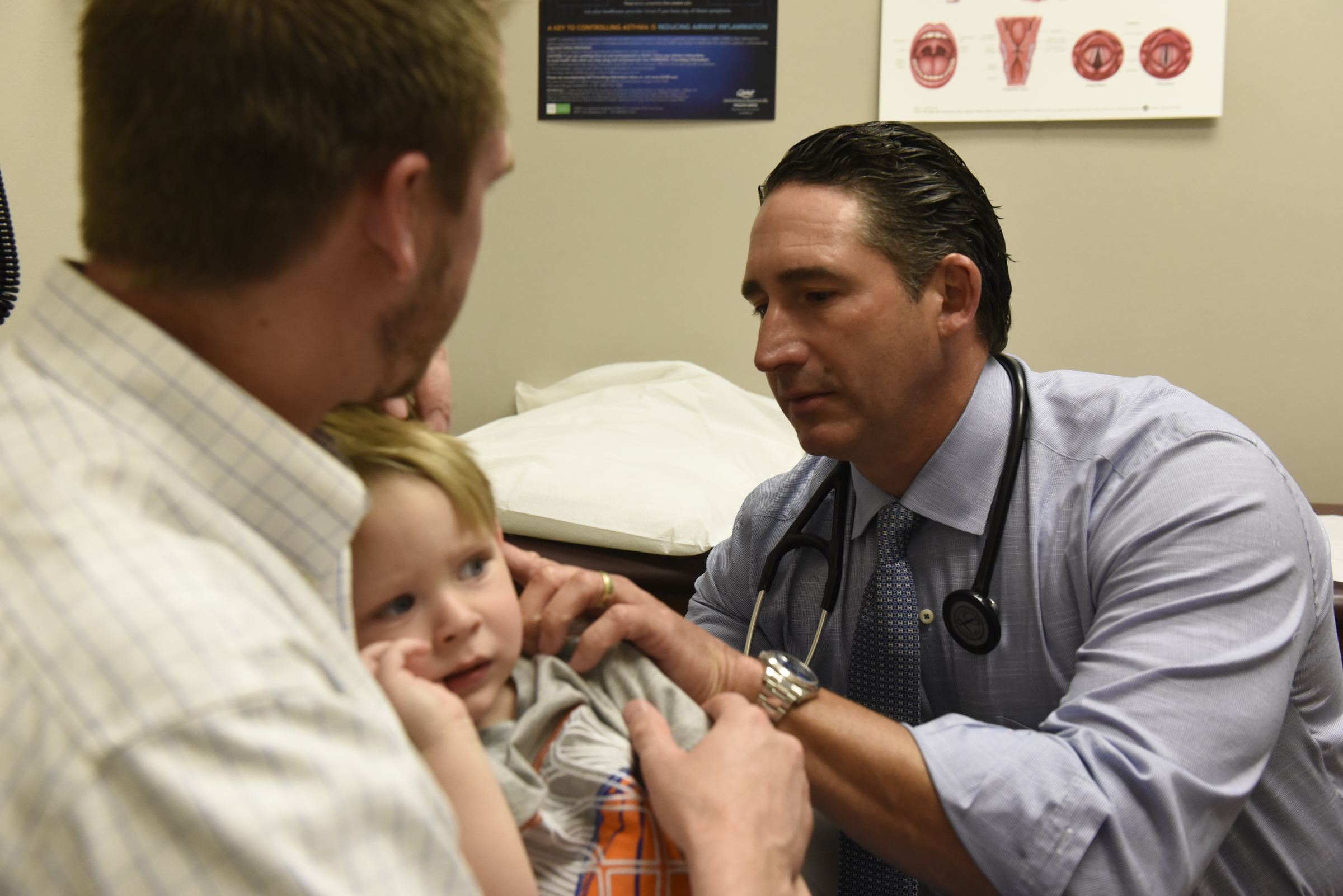
“Parsley, tomatoes, almonds – including almond milk – all are very high in histamines, which is the compound released in allergic and inflammatory responses,” explains Dr. Vincent Mirarchi, a family practitioner and lead physician at American Family Care in Fort Oglethorpe, Ga. “Celery can increase the severity of an allergic reaction because proteins found in celery are very similar to those in pollen allergens.