




For the last 30 years or so, virtual reality has served as a kind of digital Icarus, a cautionary tale to other forward-thinking technologies not to let ambition exceed the capabilities of their hardware.
In the last couple of years, however, the processing power of PCs and mobile devices has reached a point that virtual-reality devices can finally deliver something close to the promise of complete digital immersion that has tantalized techies and sci-fi fans for decades.
Thanks largely to the recent release of consumer-ready virtual reality headsets such as the HTC Vive and Oculus Rift, early adopters of VR technology are expected to generate about $900 million in revenue this year, according to research released this month by Strategy Analytics.
“Consumers will soon be exposed to an incredible diversity of virtual reality options ranging from ultra-low cost to super premium,” says Cliff Raskind, director of Strategy Analytics’ Wearable Device Ecosystems service, in a news release.
Although virtual reality is still in its infancy as a consumer-ready technology, a long-range forecast of the VR market released in January by San Francisco-based analyst Digi-Capital predicts VR hardware and software sales could generate as much as $30 billion by 2020.
As with many classes of technology, virtual reality headsets are available at a wide range of price points and feature sets. If you’re interested in dipping your toes into the virtual waters, here’s what’s available – or soon will be – from the bargain basement to the platinum penthouse.
Deep pockets
You’ve doggedly followed the development of virtual reality platforms for years. Now that it’s finally here, you’re all-in, regardless of cost.
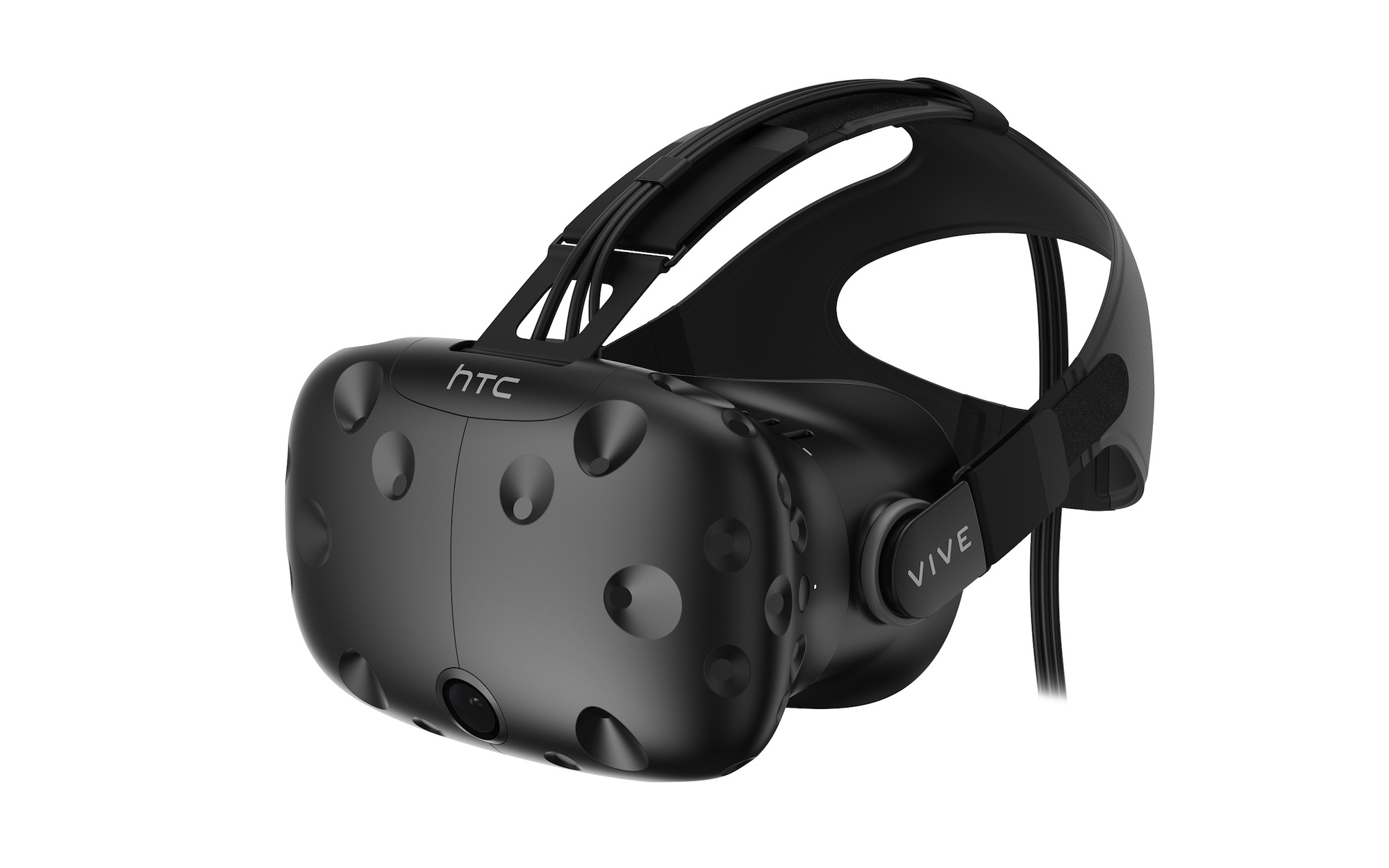
* What you want: HTC Vive
* Price: $800
* Release date: April 5
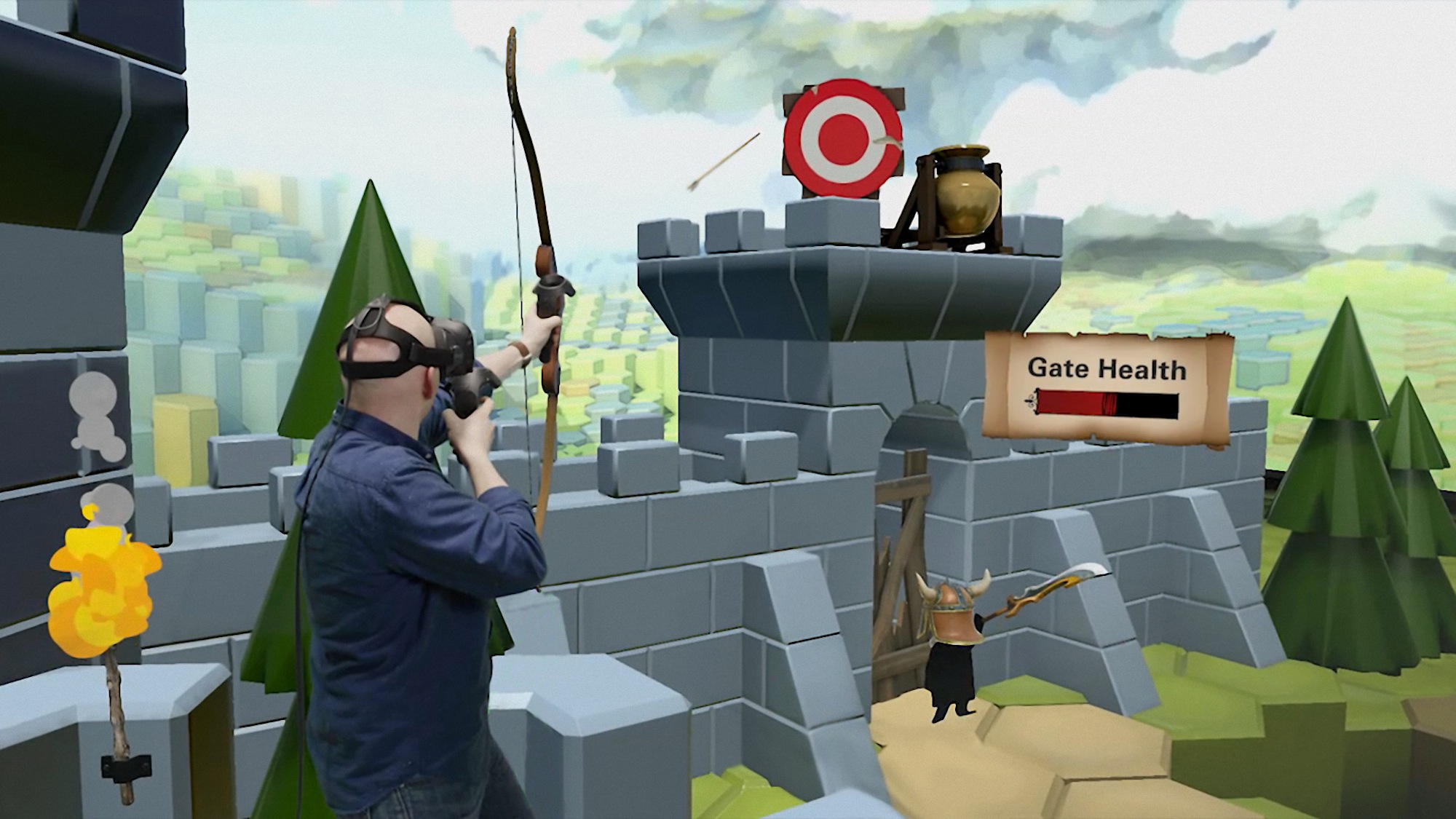
* Why you want it: If you’ve got a powerful computer and the square footage to take proper advantage of its “room scale” technology, the Vive offers the nearest approximation of a complete virtual environment currently available. It includes a pair of motion-tracking controllers that allow users to interact with virtual objects using precise movements of their hands. Thanks to sensors built into the headset and a pair of tracking stations that must be precisely located within a dedicated “play area,” Vive lets users physically move through virtual environments rather than having to remain seated. For the gaming-minded, the Vive was created through a partnership between HTC and PC digital sales platform Steam, which recently launched a dedicated virtual reality sub-store at store.steampowered.com/sale/steamvr.
* Must-try app/game: “The Lab” (free) is a virtual reality that bundles together eight mini-games specifically designed to take advantage of the Vive’s capabilities, mimicking activities such as navigating a virtual solar system, repairing a robot and using a bow and arrow to defend a castle.
* What’s in the box: Headset, two wireless controllers (one for each hand), two base stations, link box and earbuds.
* What else you’ll need: An obstacle-free play area that’s a minimum of 32.5 square feet (6 feet 6 inches by 5 feet) and a powerful PC that passes the SteamVR Performance Test (available at store.steampowered.com/app/323910)
* Website: www.htcvive.com/us/
Committed pioneer
You’re willing to spend some money to get a truly immersive virtual reality experience but making rent would be nice, too.
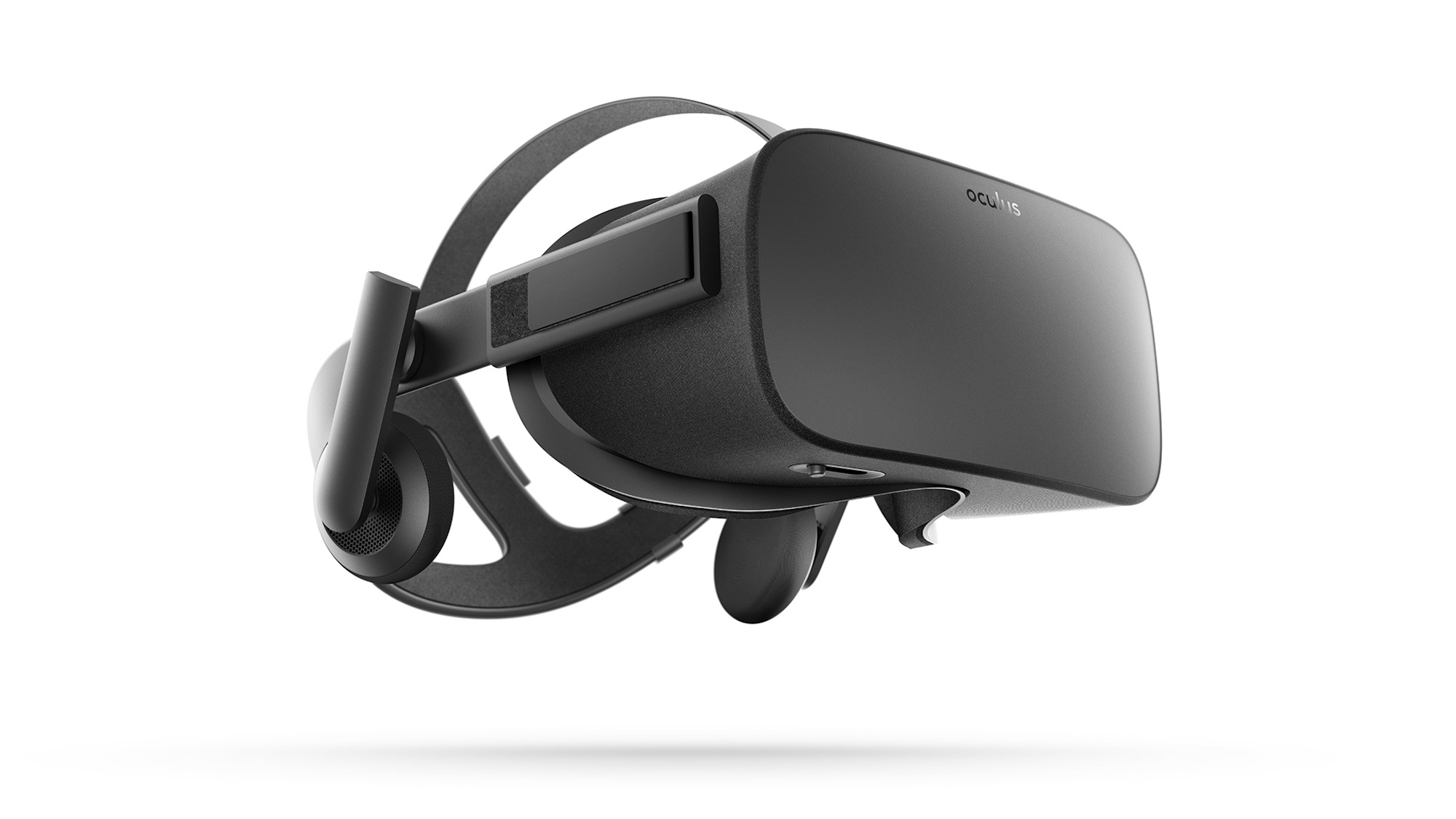
* What you want: Oculus Rift
* Price: $600
* Release date: March 28
* Why you want it: The Oculus Rift was originally a Kickstarter project that proved so popular and full of potential Facebook bought the company for $2 billion in 2014. The tech has gone through multiple development kits since then and is arguably the most high-profile example of VR to hit the market. The headset features built-in headphones, and its twin screens boast high refresh rates – when powered by a sufficiently powerful PC – which is intended to reduce motion sickness and improve the promises of the virtual reality experience. The Rift’s motion-tracking Touch controllers aren’t currently available, but the headset comes bundled with an Xbox One controller that’s already supported by thousands of PC games and many released and in-development VR titles.
* Must-try app/game: “Adr1ft” ($20) sets players inside the helmet of an astronaut floating in the wreckage of a space station with no memory of what transpired and a suit that’s steadily leaking oxygen. Although it is playable on a standard 2D screen, Polygon calls the Rift “likely the best way to play the game.”
* What’s in the box: Headset, Xbox One controller, sensor, remote, cables and a copy of the game “Lucky’s Tale.”
* What else you’ll need: A powerful PC that can pass the Oculus compatibility tool evaluation (available at https://ocul.us/compat-tool)
* Website: www.oculus.com
The patient type
You own a PlayStation 4 and intend primarily to use virtual reality as a means of increasing the sense of immersion in the video games you play.
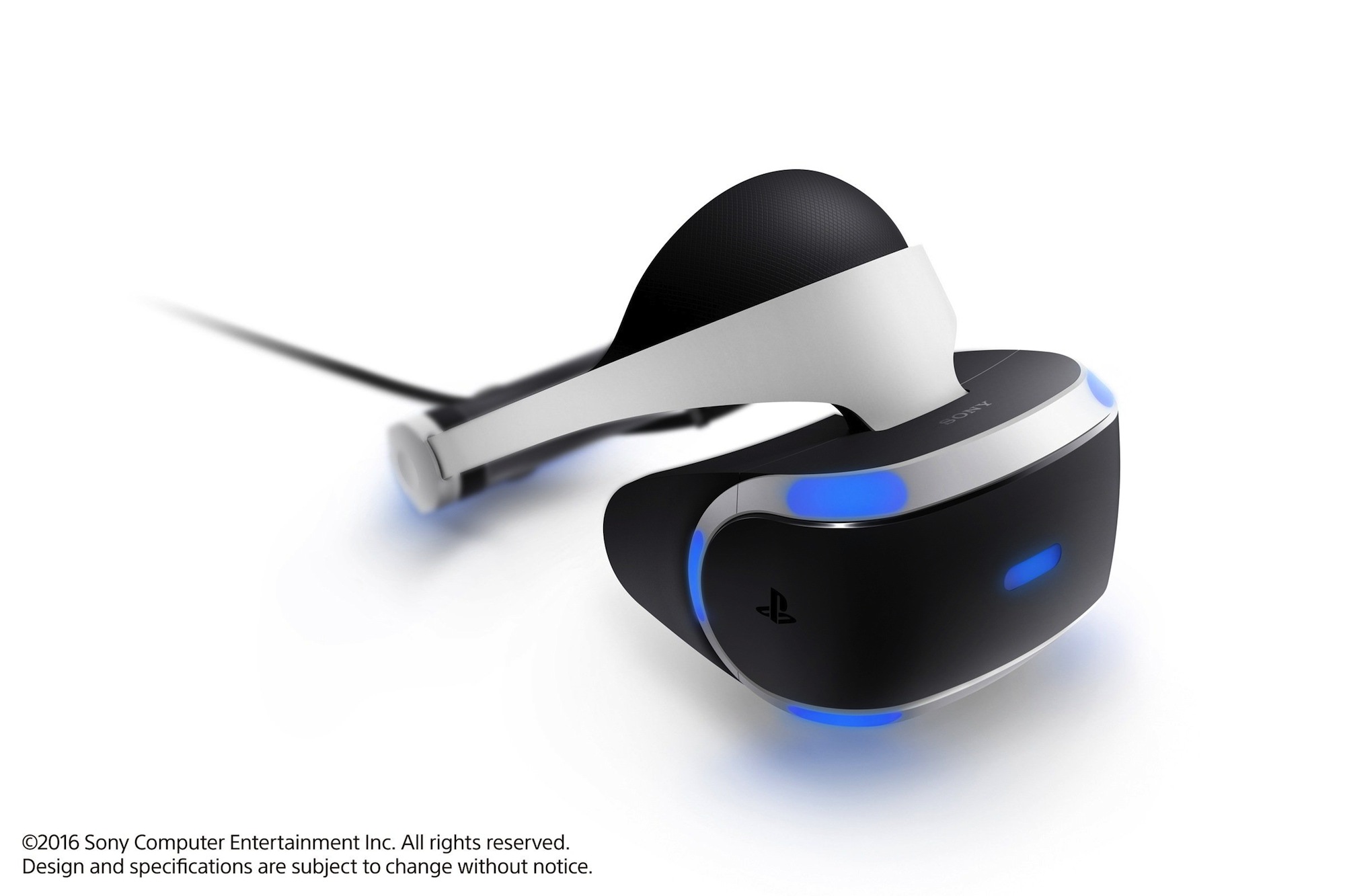
* What you want: PlayStation VR
* Price: $400
* Release date: October 2016
* Why you want it: If you’ve already got a PlayStation 4, you’re already halfway to experiencing virtual reality since it’s the brains behind Sony’s recently unveiled entry into the VR fray. Compared to PC-only headsets such as the Vive and Rift, PlayStation VR will offer a significantly less-expensive alternative when it launches this fall. The headset features a 5.7-inch organic light-emitting diode (OLED) display running at a full 1080p resolution and capable of rendering up to 120 frames a second. The player’s view adjusts in real time based on an internal gyroscope and accelerometer as well as camera-tracked LED lights located on the headset and on the PlayStation DualShock 4 wireless controller or PlayStation Move motion controllers.
* Flagship app/game: “Battlezone” (price TBA) is a virtual-reality reboot of a gaming franchise that started with an arcade game of the same name made by Atari and released in 1980. Players view the action from the perspective of the commander of a hovering, futuristic tank as they embark on missions that task them with eliminating enemy tanks and other threats.
* What’s in the box: Details of bundled accessories not announced.
* What else you’ll need: A Playstation 4 ($350) and a PlayStation Camera ($60).
* Website: www.playstation.com/en-us/explore/playstation-vr/
Early adopter
As soon as someone, anyone, uttered the words “virtual reality,” you raised your hand and opened your wallet, even if the experience offered by the device was somewhat limited.
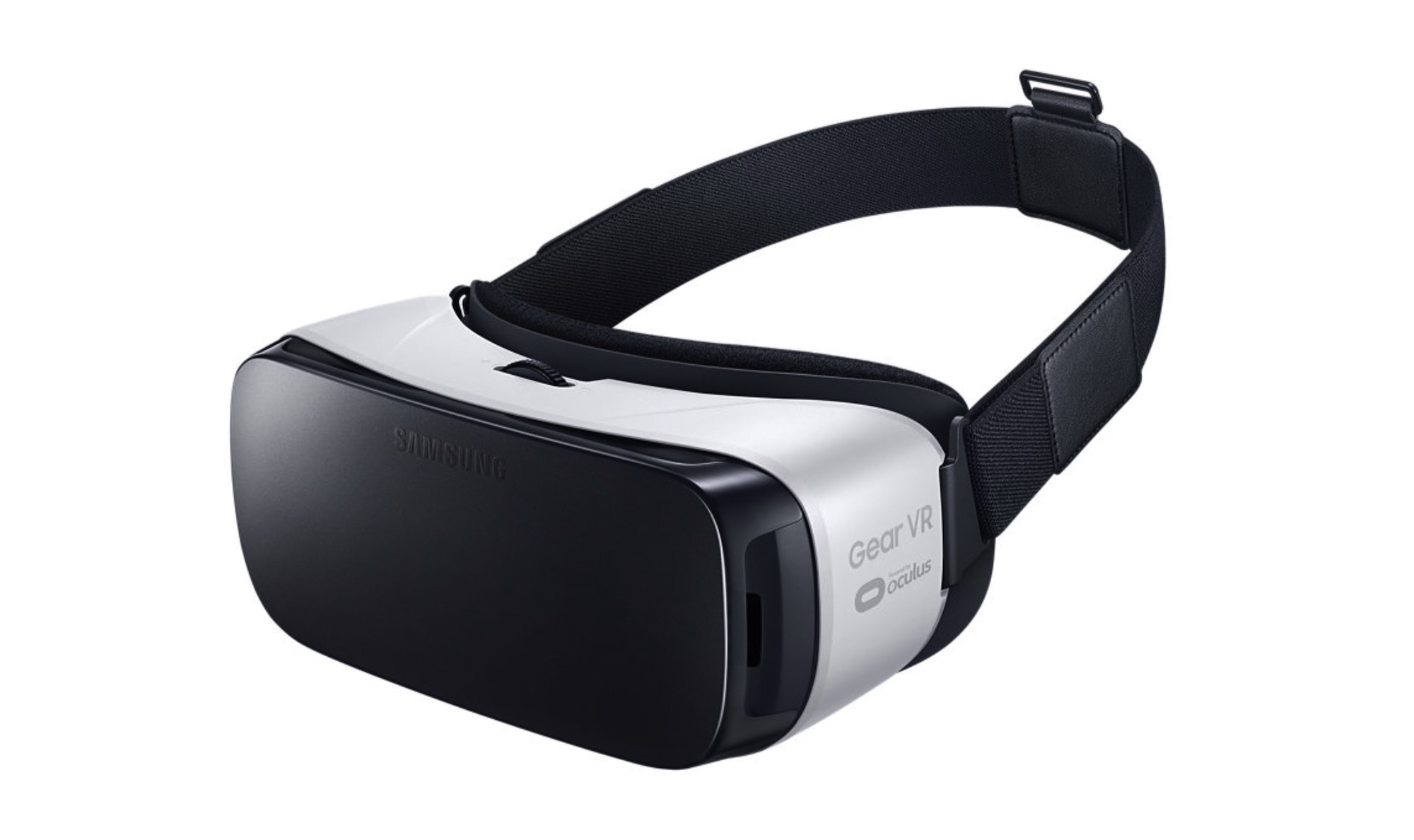
* What you want: Samsung Gear VR
* Price: $100
* Release date: Nov. 27, 2015
* Why you want it: The smartphone-powered Gear VR was one of the first dedicated virtual-reality headsets to hit the market when the “first innovator” edition was released in December 2014. The cushioned headset serves as a dock for a Samsung S-series or Note smartphone – meaning no wires tethering users to a PC – which powers the virtual-reality experience. The Gear VR’s focus-adjustable lenses provide a wider viewing angle than similar phone-powered headsets, and a touch pad and button on the side of the headset allows users to interact with apps without touching the screen.
Because it was created through a partnership between Samsung and Oculus, the Gear VR lets users access a wide range of apps and VR “experiences” through Oculus’ store, which loads automatically when a phone is docked with the headset. The Gear VR also supports streaming services such as Netflix and Hulu for private viewing within a “virtual living room.”
* Flagship app/game: “Land’s End” ($8) is an immersive, first-person adventure created by ustwogames, the developers of award-winning mobile puzzle game “Monument Valley.” Players navigate a fantastic landscape on a quest to awaken an ancient civilization.
* What’s in the box: Headset and straps.
* What else you’ll need: A Samsung S7, S7 Edge, Note 5, S6 Edge+, S6 or S6 Edge smartphone. For games or apps with more complex controls, players can use a paired Android-compatible Bluetooth controller (prices vary).
* Website: www.samsung.com/global/galaxy/wearables/gear-vr
Virtually curious
You’ve heard of this “VR” thing, and you’d like to try out a bare-bones, inexpensive version of it. Also, you have a smartphone.
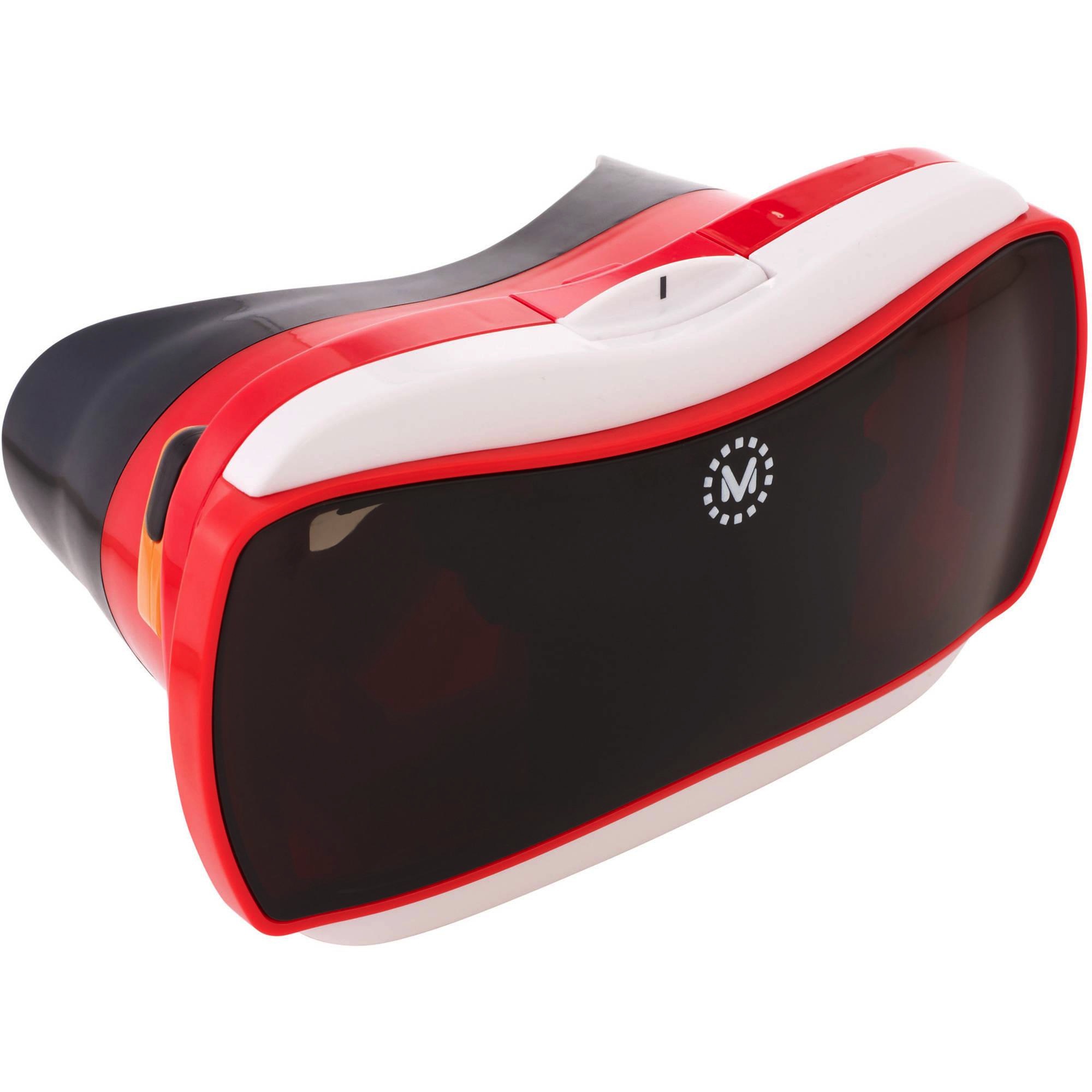
* What you want: View-Master Virtual Reality
* Price: $30 (available for less online)
* Release date: Oct. 6, 2015
* Why you want it: The View-Master Virtual Reality is essentially a more sturdy, well-made version of Google’s Cardboard initiative, which lets users create minimalist, in-a-pinch VR headset out of pre-packaged cardboard sheets and high-quality lenses. Mattel’s 21st century update to the classic photo viewer/toy of yore offers similar function to other Cardboard VR sets, including access to all made-for-Cardboard apps, as well as interactive educational content stored on disc-shaped “reels” that must be purchased separately (aside from a sampler preview pack bundled with the headset).
The View-Master’s sturdy plastic housing fits smartphones more securely than its corrugated brethren. A rubberized rim around the inside of the headset also make it comfortable, but the lack of straps mean the View-Master must be held at all times.
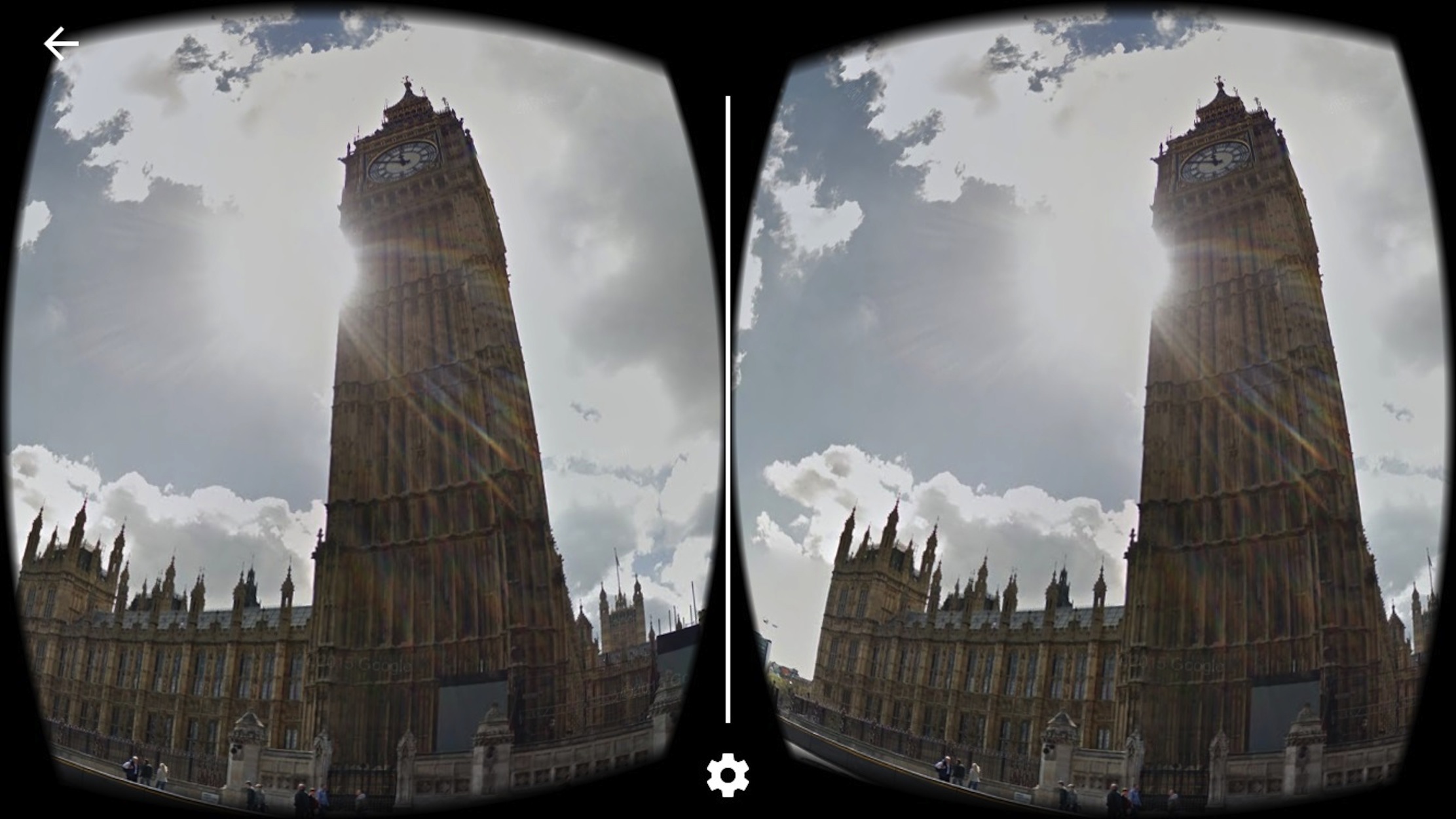
* Flagship app/game: “Street View” (free) is a Cardboard platform app that allows users to travel the world via the photo bubble “street view” feature of Google Maps. Enter an address or scroll to any city that features Street View support (most U.S. and major foreign cities) and the app will let users look around a 360-degree panorama of that location.
* What’s in the box: The View-Master headset, a plastic adapter for holding smaller phones and a preview reel containing samples of content from add-on packages (generally $12-$30 a piece).
* What else you’ll need: An Android or iOS smartphone.
* Website: www.view-master.com/en-us
Contact Casey Phillips at cphillips@timesfreepress.com or 423-757-6205. Follow him on Twitter at @PhillipsCTFP.