
Sunday, November 8, 2026Nov 8

This story is free to read.

Better preemie pain relief sought amid new call for action

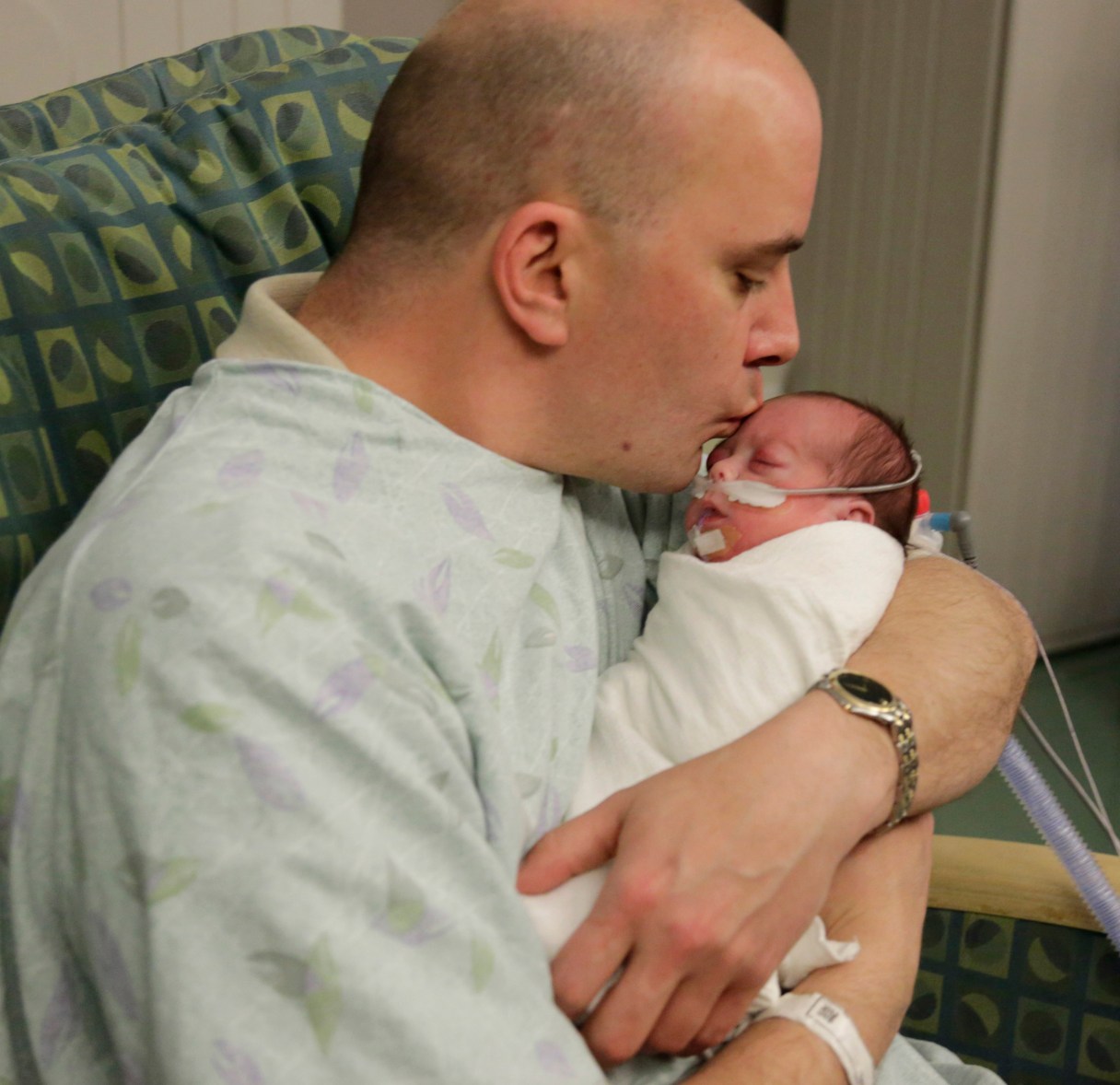
In this Tuesday, March 15, 2016 photo, parent Bryan Niedermeyer holds Evelyn, one of his twin preemie daughters after they underwent eye exams at Advocate Children's Hospital in Chicago. Olivia and Evelyn Niedermeyer are part of recent research showing benefits from low-tech pain management alternatives during necessary procedures on these fragile babies that are poked and prodded as part of medical care meant to help them survive, but can be painful. (AP Photo/M. Spencer Green)
In this Tuesday, March 15, 2016 photo, parent Bryan Niedermeyer holds Evelyn, one of his twin preemie daughters after they underwent eye exams at Advocate Children's Hospital in Chicago. Olivia and Evelyn Niedermeyer are part of recent research showing benefits from low-tech pain management alternatives during necessary procedures on these fragile babies that are poked and prodded as part of medical care meant to help them survive, but can be painful. (AP Photo/M. Spencer Green) In this Tuesday, March 15, 2016 photo, parent Bryan Niedermeyer holds Evelyn, one of his twin preemie daughters after they underwent eye exams at Advocate Children's Hospital in Chicago. Olivia and Evelyn Niedermeyer are part of recent research showing benefits from low-tech pain management alternatives during necessary procedures on these fragile babies that are poked and prodded as part of medical care meant to help them survive, but can be painful. (AP Photo/M. Spencer Green)

OAK LAWN, Ill. (AP) – It happens every day to the most vulnerable infants in hospital intensive care units: fragile babies born way too soon are poked, prodded and jabbed as part of medical care meant to help them survive – and it can be heart-wrenching to watch.

It used to be thought that these infants were too young to feel pain. But even now, experts say, pain relief for newborns and especially preemies is often inadequate, despite evidence that low-tech comforting methods and medication can both be effective.

In a new policy, the American Academy of Pediatrics says pain in newborns “continues to be inconsistently assessed and inadequately managed.” And it urges more research on effective methods.