
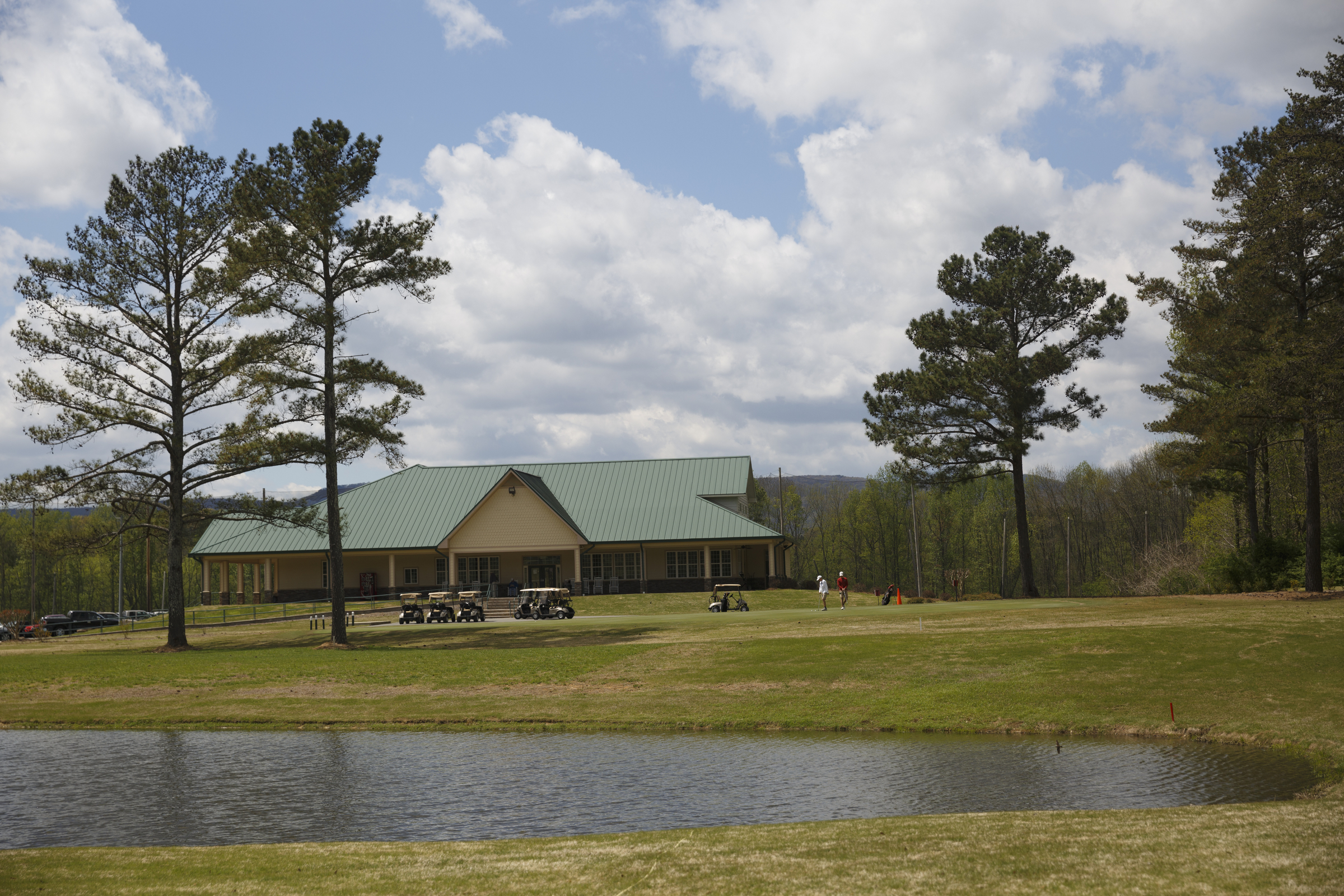
 Many are struggling with the LaFayette Municipal Golf Course’s $200,000 annual price tag. The course has been losing about $150,000 a year since 1998. Others argue that while the course has lost more than $100,000 for 12 consecutive years, the deficit used to be more manageable. The course lost $50,000 in 1999. In 1998, it lost $12,000. They think it can come back.
Across the country, the number of golfers has decreased – from 25.7 million in 2011 to 24.1 million last year, according to the National Golf Foundation – and courses find themselves struggling.
Officials with the NGF argue the closing of some courses is really the result of the bubble: The number of courses in the United State increased by 40 percent over two decades before the decline began.
Whether the bubble will swallow the LaFayette Golf Course remains to be seen.
The course has lost an average of $150,000 per year going back to 1998.
This decade has been particularly tough. Since 2010, the course has lost an average of $230,000 annually.
LaFayette’s elected officials debated last month what they should do. Some councilmen liked the idea of rounding out the course with additional sports. But they agree those measures won’t help enough.
The course’s head pro, Eddie Jackson said the course stays relatively busy, with about 70 golfers per day, but he thinks they need to average about 20 more.
He said the economy began in 2009 driving away some of the older players, those with families to feed and retirement funds to preserve and disposable incomes that keep dwindling. He said younger players actually enjoy the game, despite the complaints he hears from older golfers about Millennials and their expensive cellphones and time-consuming video games.
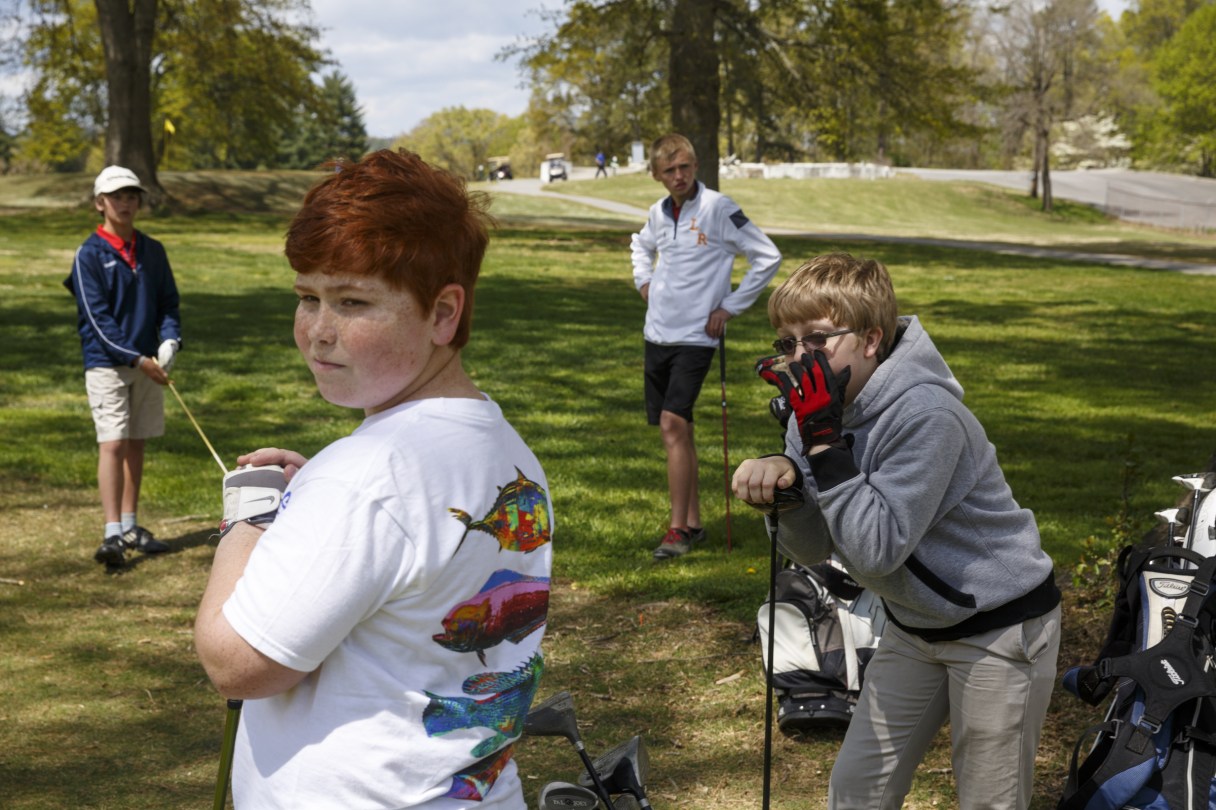
But Jackson said there is another problem: keeping those younger players. He’s watched a generation have fun on the course through middle school and work hard on their craft through high school. And then he’s watched those same kids disappear.
“You don’t see as many kids getting out of college and coming back to their home club to play,” he said. “They’re getting out of college, getting good jobs, getting married and moving on. They’re getting into gyms and things like that. You never had that in LaFayette when I was a kid.”
City officials aren’t sure the course can ever capture a large enough group of players. And so, if the course can’t make money, its presence spurs a debate about the role of a local government.
Supporters of the course say there is an “intrinsic” value that improves the city in ways that can’t be measured. They talk about health benefits. They talk about the course as an ornament that helps draw more business to town.
Others are more cautious, especially without hard evidence of the course benefiting the city, especially when those annual losses sit in the hundreds of thousands.
“We’ve got to figure out a way to increase the cash flow coming in,” Mayor Andy Arnold said. “That’s increasing the amount of people playing.”
LaFayette Councilman Wayne Swanson predicted that the course’s revenue will soon increase. He believes more people will play golf as a younger generation of pros continues to win majors. In other words, domination from a golfer like Jordan Spieth could mean more money for LaFayette.
Even if the course continues to lose money, Swanson said, the value the community receives is still worth it. People in town have an opportunity to get exercise, especially people too old for other sports like basketball.
“I was raised on that golf course,” he said. “That really kept me on the sort of more straight and narrow. I would have been in a lot of trouble if not for that golf course.”
Swanson said the course attracts businesses, though he didn’t name any particular company that came to LaFayette because of the course. Keith Barclift, project manager for the Northwest Georgia Joint Development Authority, which recruits businesses to the region, also could not name a company that came to Walker County because of the golf course – but he said its existence has an impact.
“The city’s golf course is a huge plus in a qualitative factor that is hard to measure with hard metrics,” he wrote in an email. “Quality of life in the region is often overlooked when it comes to why a company chose to locate to an area.”
If the course was losing $30,000-$50,000 per year, Arnold said, its “intrinsic value” would hold more weight. He isn’t sure if that can happen, pointing out that the council has been debating the issue since he was first elected in 2002.
“It may just be that it’s a dying sport,” he said. “You had the golf course for a long time. And now it’s dying. We don’t know what to do.”
Hamilton and Jackson said they have tried this year to recruit more golfers. The city is scheduled to hold 110 tournaments and special events this year to bring more business to the course. By comparison, they held 86 events last year. Jackson said they added a church league and are starting a couple’s league this summer. He also wants to launch an instructional league to teach kids how to play.