
Monday, November 16, 2026Nov 16

Jury convicts ex-Oklahoma reserve deputy in suspect’s death

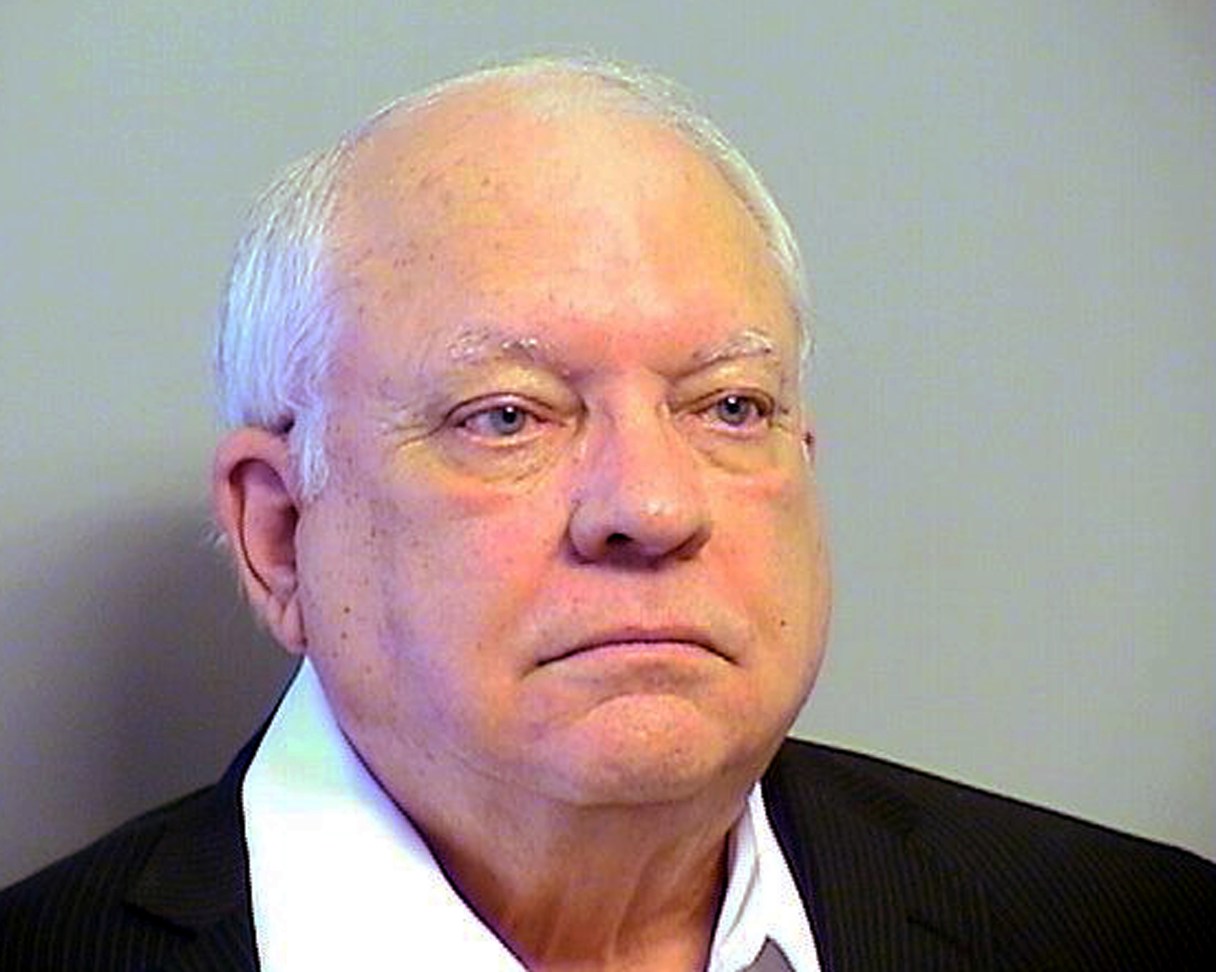
FILE - This Tuesday, April 14, 2015 file photo provided by the Tulsa County, Okla., Sheriff's Office shows Robert Bates. Bates, a former Oklahoma volunteer sheriff's deputy who says he mistook his handgun for his stun gun when he fatally shot an unarmed suspect has been convicted of second-degree manslaughter. Jurors announced the verdict Wednesday, April 27, 2016 in the case. The insurance executive fatally shot Eric Harris while working with Tulsa County sheriff's deputies last year. Harris was restrained and unarmed at the time. (Tulsa County Sheriff's Office via AP, File)

TULSA, Okla. (AP) – A former Oklahoma volunteer sheriff’s deputy who said he mistook his handgun for his stun gun when he fatally shot an unarmed suspect last year was convicted of second-degree manslaughter on Wednesday.

Jurors handed down the verdict in the case of 74-year-old Robert Bates, a wealthy insurance executive accused of fatally shooting Eric Harris while working with Tulsa County sheriff’s deputies last year during an illegal gun sales sting. Harris, who had run from deputies, was restrained and unarmed when he was shot.

The shooting – which was caught on video – sparked several investigations that, among other things, revealed an internal 2009 memo questioning Bates’ qualifications as a volunteer deputy and showed that Bates, a close friend of the sheriff’s, had donated thousands of dollars in cash, vehicles and equipment to the agency.

The jury recommended a four-year prison term, the maximum, and Bates was handcuffed and taken into custody pending formal sentencing at a later date.

Bates’ defense attorneys argued at trial that methamphetamine found in Harris’ system, along with his cardiac health, caused his death. Defense attorneys called the killing an “excusable homicide.”