
Thursday, November 12, 2026Nov 12

China passes law tightening controls on foreign nonprofits

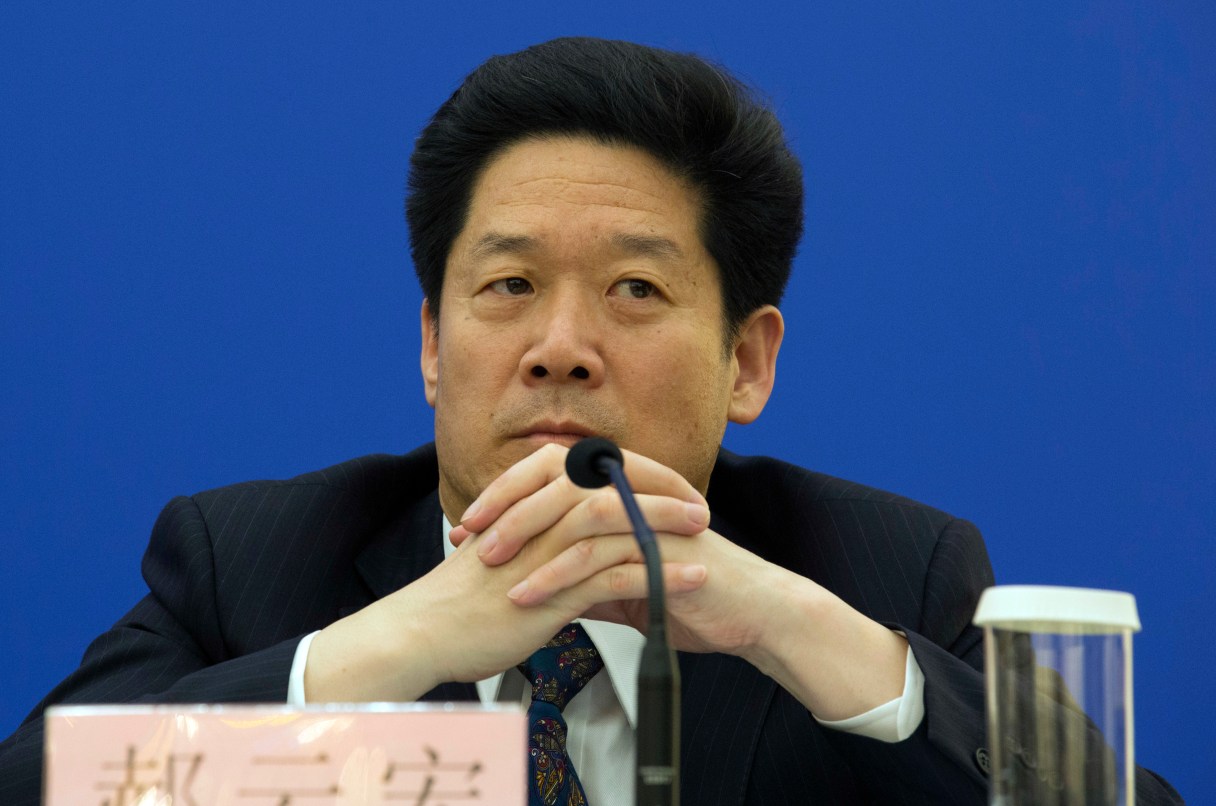
Han Yunhong, an official from the Public Security Bureau listens to questions during a press conference about a law regulating overseas non-governmental organizations held at the Great Hall of the People in Beijing, China, Thursday, April 28, 2016. China passed a much-debated law on foreign non-governmental organizations on Thursday in a move in which Beijing says would better serve the groups but critics are concerned would further restrict them by subjecting them to close police supervision. (AP Photo/Ng Han Guan)
Han Yunhong, an official from the Public Security Bureau listens to questions during a press conference about a law regulating overseas non-governmental organizations held at the Great Hall of the People in Beijing, China, Thursday, April 28, 2016. China passed a much-debated law on foreign non-governmental organizations on Thursday in a move in which Beijing says would better serve the groups but critics are concerned would further restrict them by subjecting them to close police supervision. (AP Photo/Ng Han Guan) Han Yunhong, an official from the Public Security Bureau listens to questions during a press conference about a law regulating overseas non-governmental organizations held at the Great Hall of the People in Beijing, China, Thursday, April 28, 2016. China passed a much-debated law on foreign non-governmental organizations on Thursday in a move in which Beijing says would better serve the groups but critics are concerned would further restrict them by subjecting them to close police supervision. (AP Photo/Ng Han Guan)

BEIJING (AP) – China passed a law Thursday tightening controls over foreign non-governmental organizations by subjecting them to close police supervision, a move officials say will help the groups but critics charge is the latest attempt by authorities to clamp down on perceived threats to the ruling Communist Party’s control.

The law, adopted by the national legislature, states that foreign NGOs must not endanger China’s national security and ethnic unity. It grants police the power to question NGO administrators, search residences and facilities and seize files and equipment.

The move to pass such a law has drawn criticism from U.S. and European officials and business and academic organizations. They are concerned it will severely restrict the operations of a wide range of groups, further limiting the growth of civil society in China and hindering exchanges between China and the rest of the world.

The law includes a clause that allows police to blacklist “unwelcome” groups and prevent them from operating in the country. Groups can be blacklisted if they commit violations ranging from illegally obtaining unspecified state secrets to “spreading rumors, slandering or otherwise expressing or disseminating harmful information that endangers state security.”

The Network of Chinese Human Rights Defenders denounced the law as “draconian,” saying it allows police to exercise “daily supervision and monitoring” of foreign NGOs. The law will have “a profoundly detrimental impact on civil society in China,” it said.