
Thursday, November 12, 2026Nov 12

FAA gives commercial balloon operators little scrutiny

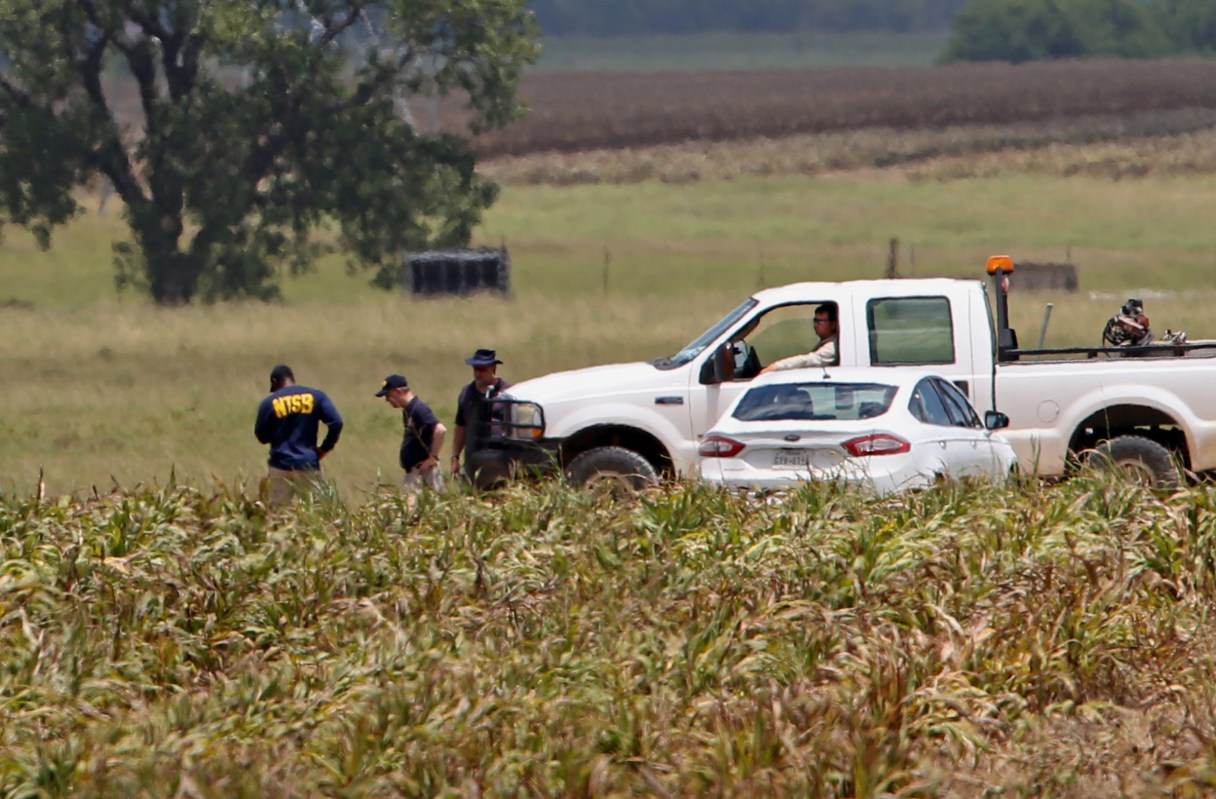
Investigators work the scene of Saturday's hot air balloon crash near Maxwell, Texas, Sunday, July 31, 2016. A hot air balloon made contact with high-tension power lines before crashing into a pasture in Central Texas, killing all on board, according to federal authorities who are investigating the worst such disaster in U.S. history. (Edward A. Ornelas/The San Antonio Express-News via AP)
Investigators work the scene of Saturday's hot air balloon crash near Maxwell, Texas, Sunday, July 31, 2016. A hot air balloon made contact with high-tension power lines before crashing into a pasture in Central Texas, killing all on board, according to federal authorities who are investigating the worst such disaster in U.S. history. (Edward A. Ornelas/The San Antonio Express-News via AP) Investigators work the scene of Saturday's hot air balloon crash near Maxwell, Texas, Sunday, July 31, 2016. A hot air balloon made contact with high-tension power lines before crashing into a pasture in Central Texas, killing all on board, according to federal authorities who are investigating the worst such disaster in U.S. history. (Edward A. Ornelas/The San Antonio Express-News via AP)

WASHINGTON (AP) – Commercial hot air balloons like the one destroyed in a fireball in Texas this weekend often carry more passengers than airplane and helicopter tours, but have long received less government scrutiny, according to aviation experts.

The Federal Aviation Administration’s oversight of commercial balloon operations amounts to “essentially none,” said Mark Dombroff, a former FAA attorney.

Commercial balloon operators, unlike other commercial aircraft operators, aren’t required to have FAA operating certificates and don’t receive safety inspections. Other commercial tour operators must have their operations plans, safety procedures and training approved by the FAA in order to obtain a certificate. And the FAA estimates how much attention it will devote to safety inspections and oversight of the tour operators in its national work plan.

“None of that exists in the context of balloons,” said Dombroff, a partner at the Dentons international law firm.

The main way the FAA regulates commercial balloon operations is that the pilots have to be licensed, but the licensing requirements are less stringent than those for other commercial pilots.