
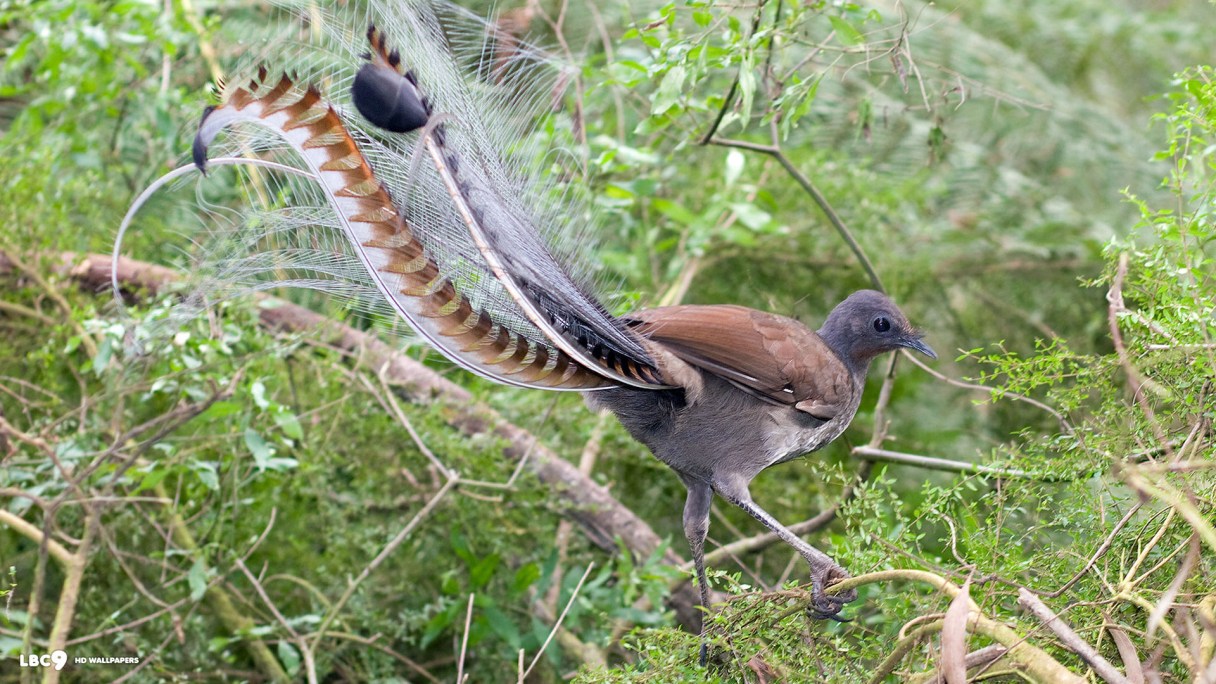
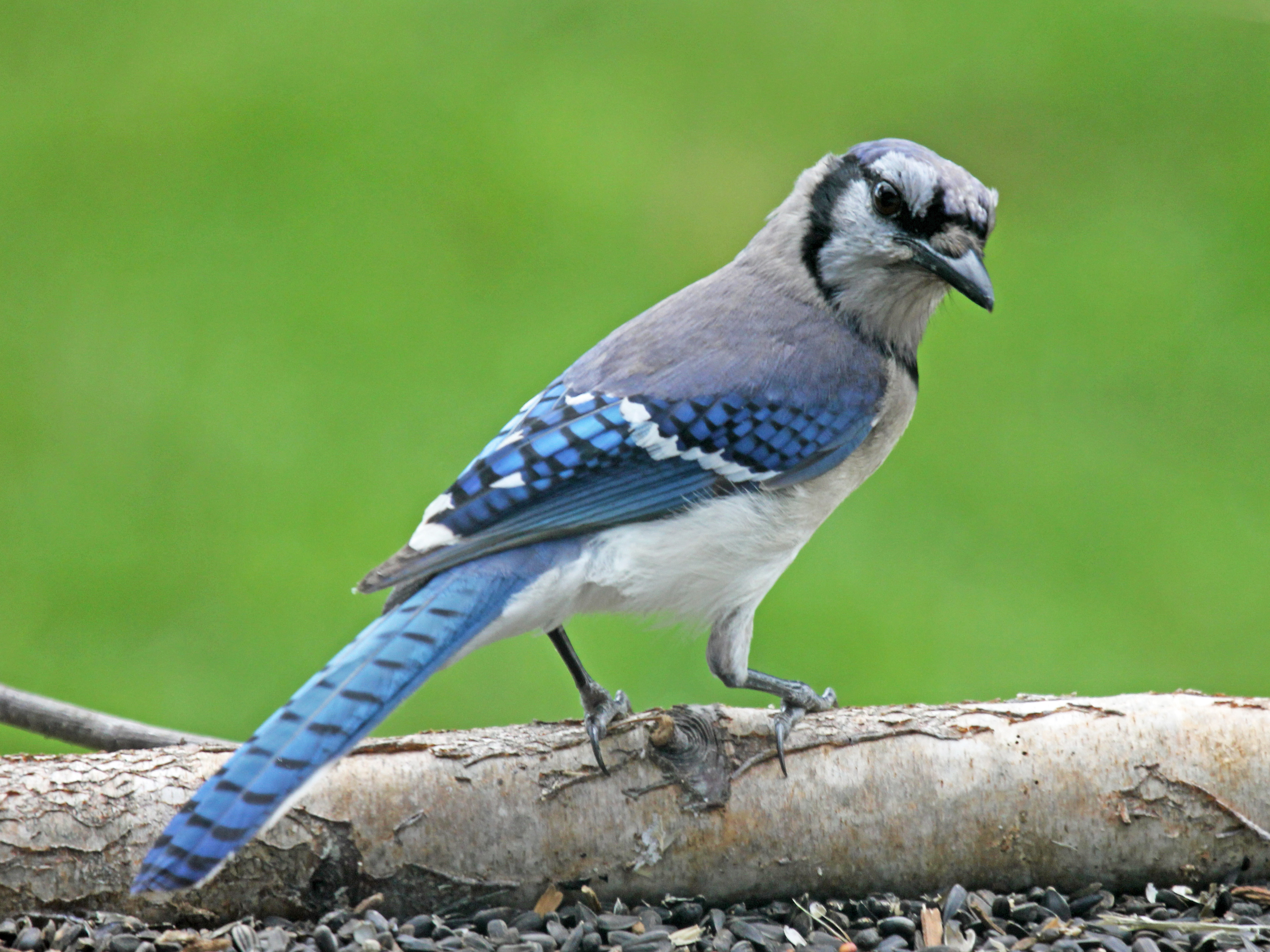
 The blue jay is one the most intelligent songbirds of the region, with the ability to imitate a variety of hawks.
Beginner birders know the struggle of learning to ID bird songs and calls. And here to complicate the matter further? Bird mimicry.
Why some birds mimic the sounds of other species is largely a mystery. One theory suggests that the more calls a male bird can make, the more attractive he becomes as a mate.
While the Northern mockingbird is perhaps our region’s most famous impersonator, there are a number of Scenic City species which also mimic sounds.
– – –
Brown Thrasher
(Toxostoma rufum)
This unassuming brown-and-white bird has two claims to fame: It is Georgia’s state bird and, with between 1,000 and 7,000 song types, it has more calls than almost any other North American songbird.
Family: Mimidae
Most common call: A long pattern of doubled phrases, described by some as “Plant a seed, plant a seed, bury it, bury it, cover it up, cover it up, let it grow, let it grow, pull it up, pull it up, eat it, eat it.”
Notable mimics:
Male brown thrashers mimic most often during breeding season, commonly imitating the tufted titmouse, Northern cardinal and wood thrush, among many others.
– – –
Northern Mockingbird
(Mimus polyglottos)
This highly territorial songbird is Tennessee’s official state bird. Like the thrasher, its vast repertoire is estimated to range between 200 and 1,000 song types.
Family: Mimidae
Most common call: A dry-sounding “chew chew.”
Notable mimics: What sets the mockingbird apart from the thrasher is its ability to mimic not only birds and other animals (like frogs), but also manmade noises such as cellphones or car alarms.
– – –
American Crow
(Corvus brachyrhynchos)
Considered to be among the top 10 smartest animals in the world, these all-black birds are famed for their ability to remember, to use tools and to communicate.
Family: Corvid
Most common call: A rapid, harsh “caw! caw! caw!”
Notable mimics: The crow has over 20 calls and can additionally learn to mimic the sounds of non-bird species – including humans. While this mostly occurs in captivity, crows can learn to mimic human language much like parrots.
– – –
Blue Jay
(Cyanocitta cristata)
These large peanut-loving songbirds are known for being noisy. They are also known for their intelligence, tight-knit family bonds and complex social structures.
Family: Corvid
Most common call: A harsh-sounding “jay-jay!”
Notable mimics: Blue jays most often imitate hawks, including the red-tailed, red-shouldered, broad-winged, and Cooper’s hawk. Some researchers believe the function of the jay’s hawk impression is to warn other jays of potential danger.