
SALT LAKE CITY (AP) – The fight started over a low-level drug deal gone wrong and a dispute over $1.10 outside Salt Lake City’s bustling homeless shelter. It ended with a teenage Somali refugee being critically wounded by police, triggering protests about police brutality.
The two officers who fired four times at Abdullahi “Abdi” Mohamed that cold winter night, sending him into a coma that nearly killed him, were cleared Monday by a Utah prosecutor who said they acted appropriately because they believed Mohamed was about to seriously injure or kill the other man with a metal broom handle.
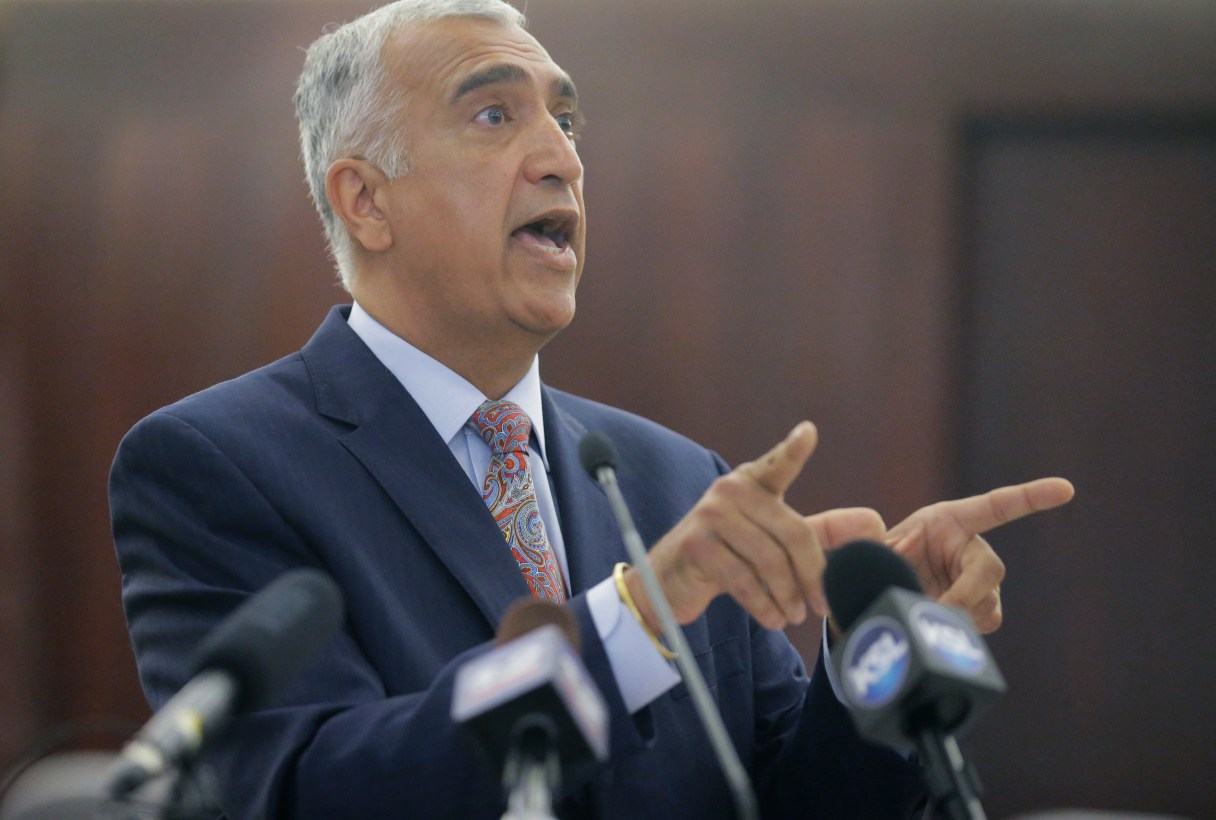
Salt Lake County District Attorney Sim Gill’s decision came more than five months after the Feb. 27 shooting became a flashpoint in the nation’s discussion about the use of force by police against minorities.
Gill said he was thorough and methodical – including asking an outside expert on police use of force to review the investigation – in part because of the public outcry.
“It’s not about making a popular decision,” Gill said. “It’s about committing yourself to a process that is objective, that is fair, that is accountable. Call it like you see it. It’s not about choosing sides.”