
Friday, November 13, 2026Nov 13

Democrats seek repeal of ban on federal funding of abortion

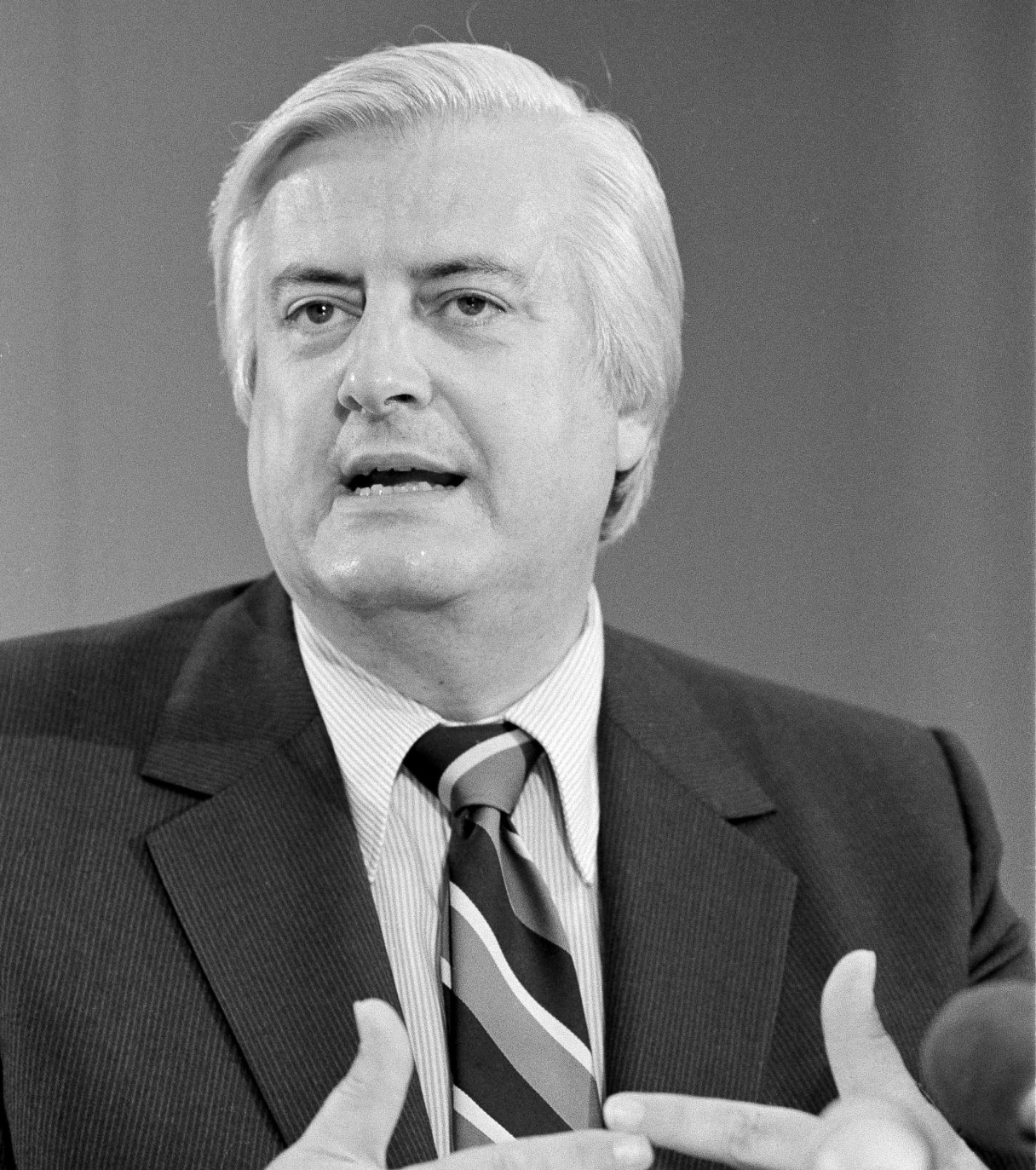
FILE - In this June 30, 1980, file photo, Rep. Henry Hyde, R-Ill., speaks to reporters in Washington, about the Supreme Court's decision that the federal government and individual states do not have to pay for abortions wanted by women on welfare. Hyde was one of the sponsors of a bill in Congress limiting spending of tax money to pay for abortions. The Hyde Amendment is now in the spotlight some 40 years after it was passed by Congress, emerging as an election issue in the national debate over abortion. First approved in 1976, and renewed annually ever since as part of the appropriations process, the amendment bans federal funding for Medicaid coverage of abortions, except in cases of rape or incest, or when a pregnancy endangers a women's life. (AP Photo/Charles Harrity, File)

NEW YORK (AP) – The law that bans federal funding for Medicaid coverage of most abortions is now in the spotlight some 40 years after it was passed by Congress, emerging as an election issue in the national debate over the procedure.

First approved in 1976, and renewed annually ever since as part of the congressional appropriations process, the Hyde Amendment makes exceptions in cases of rape or incest, or when a pregnancy endangers a women’s life.

For most of its existence, the amendment had broad bipartisan support in Congress, but that’s now changed. At their recent national convention, Democrats for the first time included in their platform a call for the Hyde Amendment to be repealed. Their presidential nominee, Hillary Clinton, is embracing that stance, even as it risks creating friction within the party.

___

IT’S COMPLICATED