
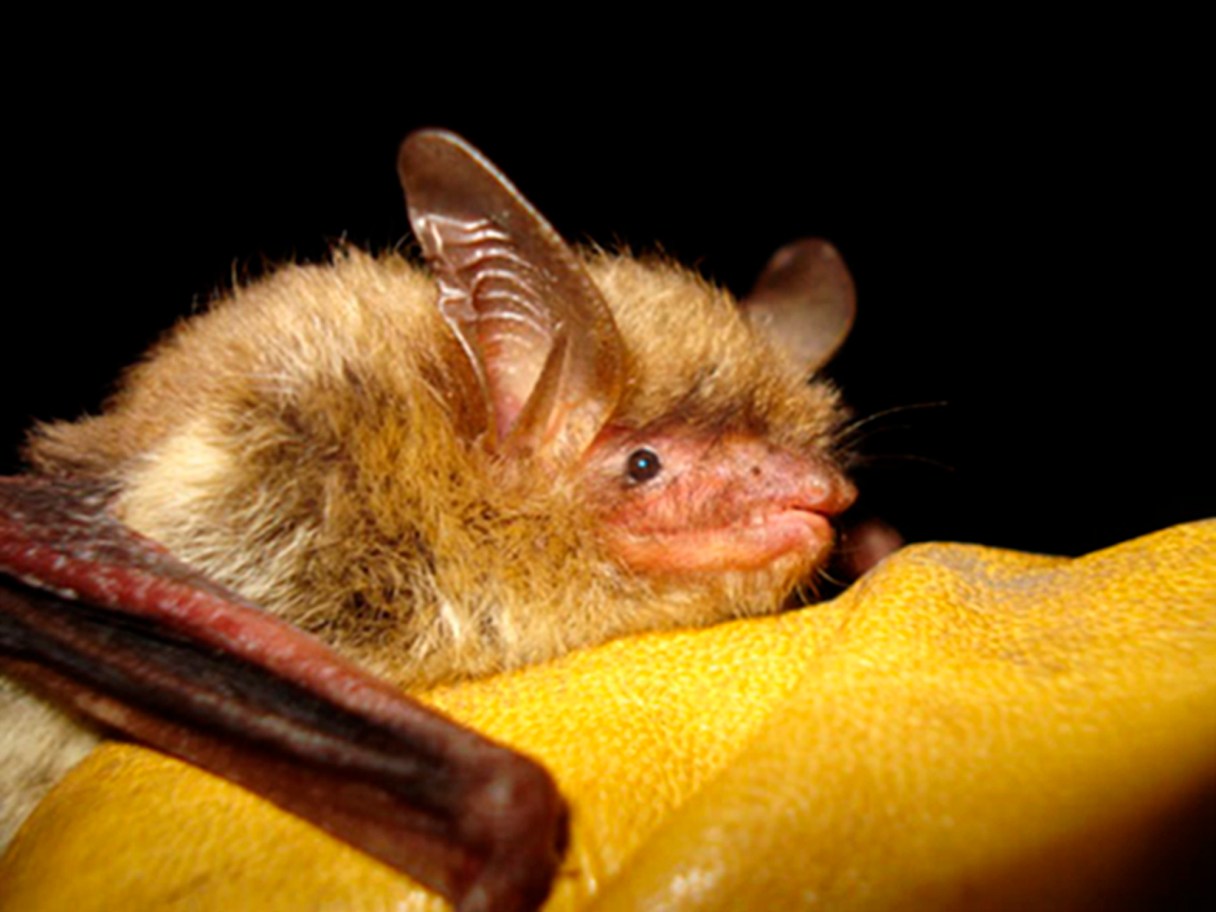
The effort to save Tennessee bats from white-nose syndrome has received a boost.
Tennessee’s chapter of The Nature Conservancy and Bat Conservation International announced Wednesday they are awarding $100,000 to fund three research projects to help bats at risk to the deadly disease.
The three projects awarded funding take different approaches to managing the fungus that causes white-nose syndrome, according to a news release from The Nature Conservancy.
New Hampshire University’s Jeff Foster is proposing a project based on chlorine dioxide, which already used to sanitize fruit, eggs and drinking water. His proposal seeks to use reduce fungal load in human-made hibernation sites by using the cleaning agent to decrease the number of bats developing white-nose in areas where the fungus is already present.
The second project, proposed by Western Michigan University’s Maarten Vonhoff, will test the use of chitosan in treatment of bats exposed to white-nose syndrome.