
If you go
› What: Tim Hinck performs Ravel’s “Le Tombeau de Couperin.”› When: 8 p.m. Friday and Saturday, Dec. 2-3; 7 p.m. Sunday, Dec. 4.› Where: The Edney Innovation Center, fifth floor, 1100 Market St.› Admission: $45 for Friday’s premiere, which includes two complimentary glasses of Champagne and preshow conversations with Hinck and visual artist Phillip Andrew Lewis); $20 Saturday and Sunday; $5 students (does not include drinks; must show ID).› Website: https://hinck_ancestryexperience.eventbrite.comThe movementsRavel’s original design for “Le Tombeau de Couperin”:› Prélude: Dedicated to Jacques Charlot, who had transcribed some of Ravel’s music for solo piano at the composer’s publishers.› Fugue: Dedicated to Jean Cruppi, whose mother had helped Ravel get his comic opera “L’heure Espagnole” performed.› Forlane: Dedicated to Gabriel Deluc, a Basque painter whom Ravel met in a small town in the Pyrenees.› Rigaudon: Dedicated to Pierre and Pascal Gaudin, two brothers whose family was friends with Ravel’s family. The brothers were killed by the same shell on their first day at the front.› Menuet: Dedicated to Jean Dreyfus, the stepson of a woman to whom Ravel wrote about his war experiences while on the front. Ravel recovered at the Dreyfuss family home after his mother died and he was relieved from the army because of his weak health.› Toccata: Dedicated to Joseph de Marliave, who died at the very start of the war. He was a musicologist and the husband of Ravel’s favorite pianist, Marguerite Long, who premiered “Le Tombeau de Couperin.”Source: www.favorite-classical- composers.com
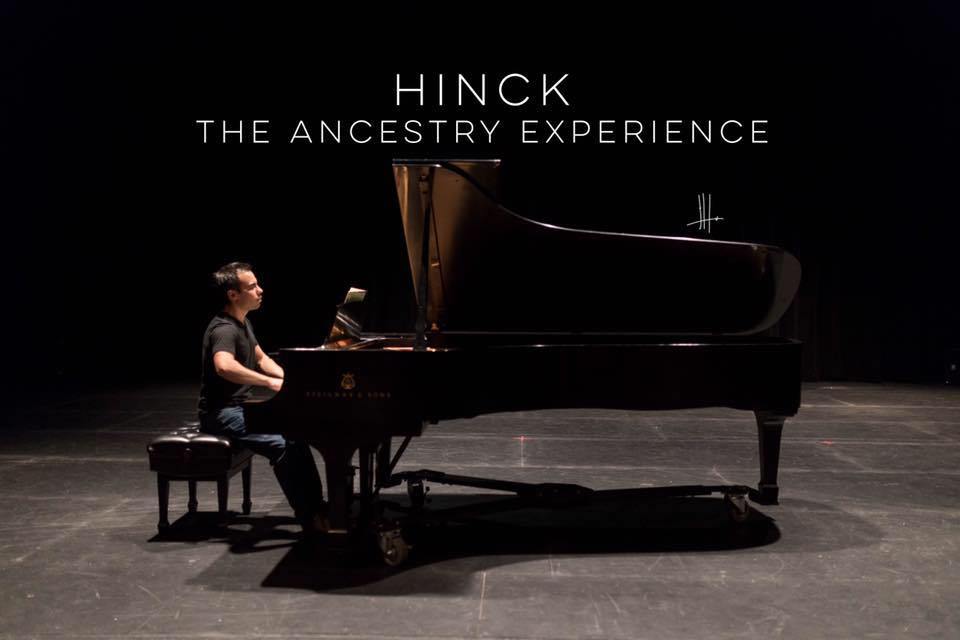
Classically trained pianist and composer Tim Hinck has chosen Chattanooga’s innovation district for a poignant musical memorial.
Over three nights this weekend, Dec. 2-4, Hinck will perform Maurice Ravel’s monumental “Le Tombeau de Couperin,” a suite of six Baroque-inspired dances for piano, each dedicated to a friend who died fighting in World War I.
This “musical adventure,” he says, “will explore ancient traditions that keep us tied to those who have gone before us: our ancestors, our lost friends, our role models and teachers who have passed.”
Hinck describes “Le Tombeau de Couperin” as a “dazzling, monumental” expression of emotion. Rather than mournful, “Ravel’s masterwork is a celebration of life,” he says.