
Photo Gallery
Back to Life: After years of reluctance and a hero’s burial, Desmond Doss is coming to the big screens
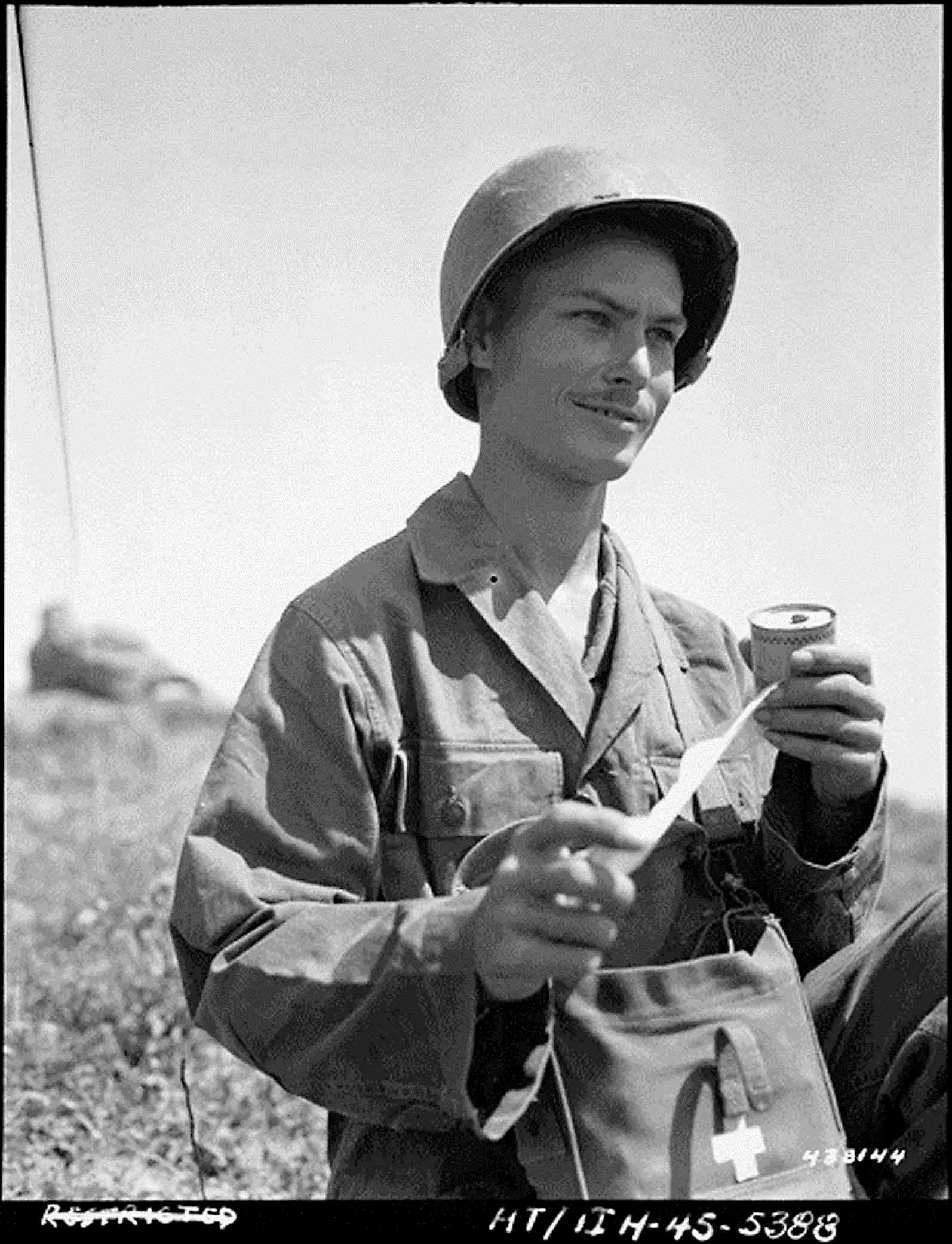
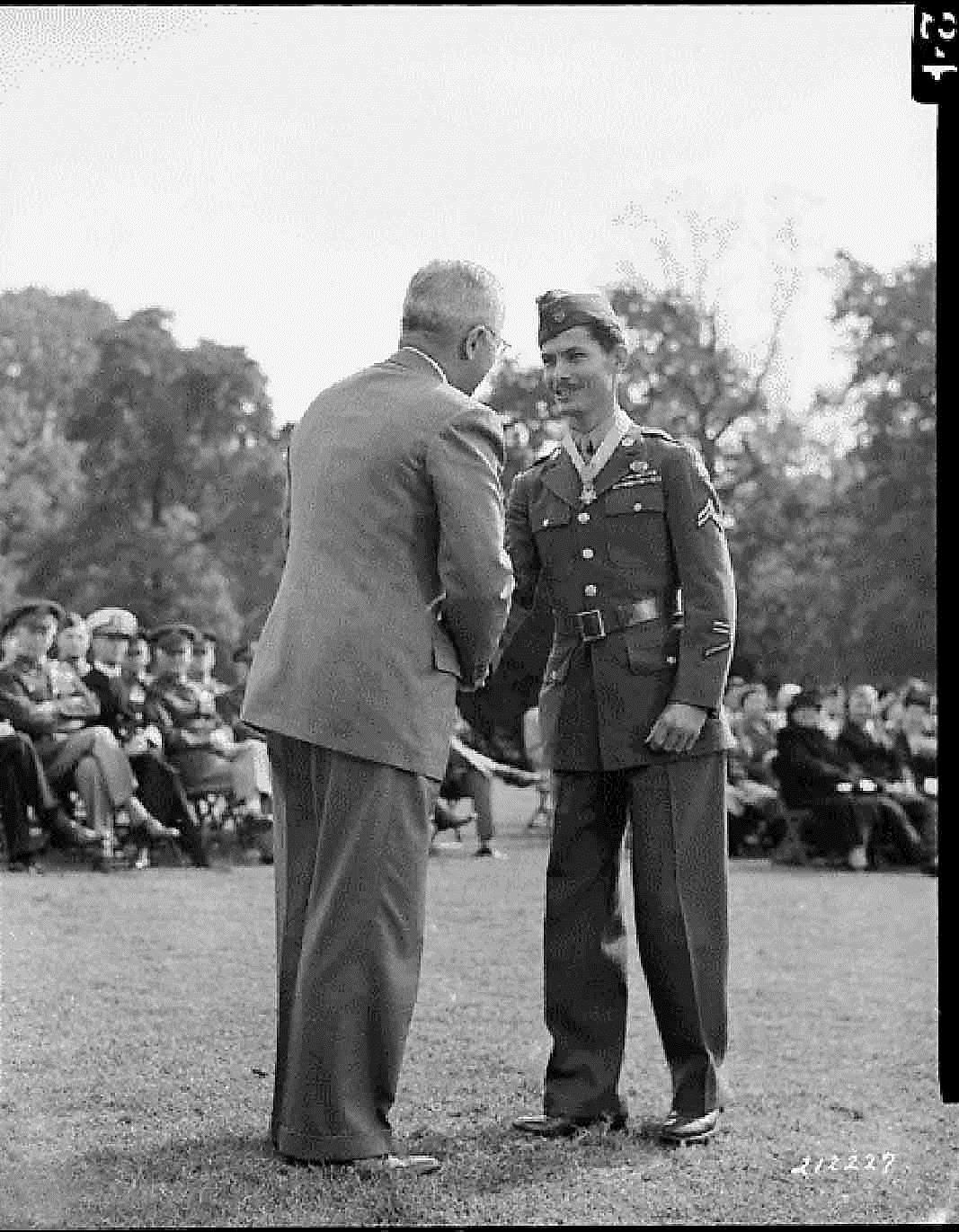
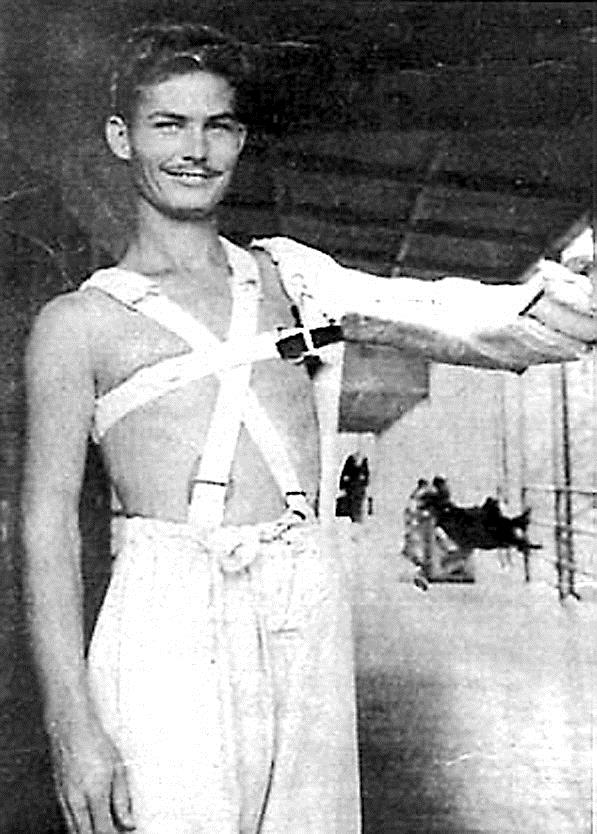
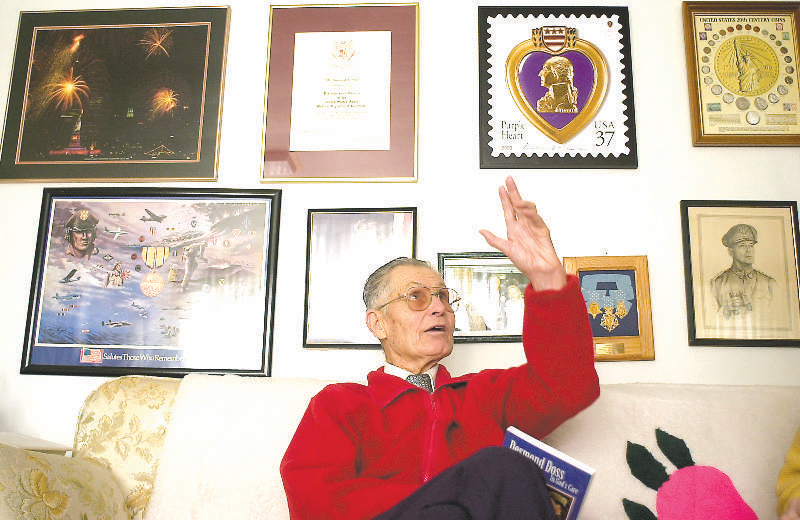
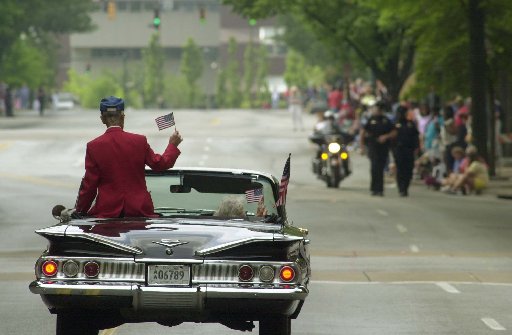
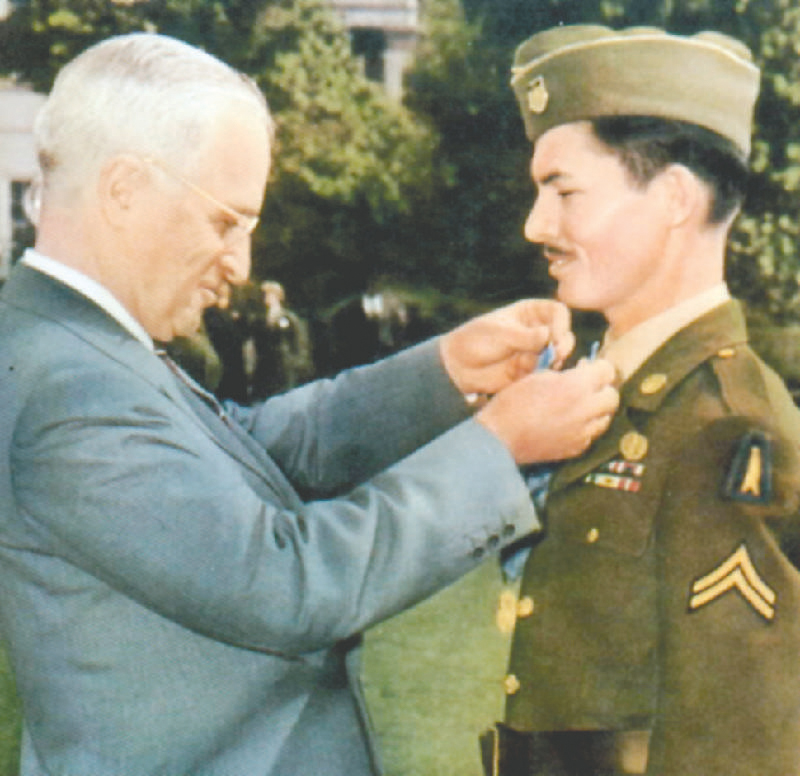
Heavy mortars, machine gun and Japanese rifle fire rained down as Pfc. Desmond Doss worked to rescue the wounded. It seemed an impossible task to retrieve them all from one of the highest points on Okinawa, but the young Army medic abandoned all thoughts of self-preservation in the face of the enemy. Instead, he prayed, “Please, Lord, help me get one more.”
Desmond T. Doss was born on Feb. 7, 1919, to Thomas and Bertha Doss in Lynchburg, Va. Growing up in a Seventh-day Adventist home, Doss was influenced by a copy of the Lord’s Prayer illustrated on the wall of their home. The sixth commandment, “Thou shalt not kill,” became a deciding factor for Doss to save life as a willing patriot.
When the United States entered World War II, Desmond worked in the Newport News Naval Shipyard and was eligible for deferment, but felt an obligation to serve his country proudly. Upon his voluntary entry into the Army in April 1942, Doss wanted to serve in a noncombatant role, but was instead classified as a conscientious objector and subjected to taunts of fellow trainees and officers. Unlike other “Conchies,” Doss never refused to salute the flag or perform his duties as a medic. As a member of B Company, 1st Battalion, 307th Infantry Regiment, 77th Infantry Division, Doss endured the Army’s attempts to force him to bear arms, boots thrown at him while studying the Bible his sweetheart Dorothy had given him and an unsuccessful effort to discharge him on a Section 8 for mental instability.
Doss never relented on his faith or willingness to serve, and he landed on the Pacific islands of Guam and Leyte in 1944 as the 77th Division received its baptism of fire. He performed exceptionally in combat, voluntarily risking his life to retrieve wounded from a hail of Japanese gunfire, and the 77th Division eventually moved to the island of Okinawa in April 1945 to relieve the beleaguered 96th Division at the base of the 400-foot Maeda Escarpment, a dominating cliff key to the capture of the island.
After several assaults up the Maeda Escarpment by means of a cargo net in early May, B Company again climbed up to the Japanese-held moonscape to demolish remaining enemy emplacements and pillboxes. After a violent explosion, according to Doss, “out came the Japanese on both sides of us!” B Company was ordered to withdraw off the Escarpment, but Doss, seeing many of his comrades in dire need of rescue, refused to retreat to safety. Instead, he pulled a rope up the edge of the cliff, tied a modified bowline knot with two loops he had devised during his training, and set about lowering each man to the bottom. Time and time again, Doss would lower a wounded man and return to the fire-swept field where his fallen comrades were stranded, praying, “Please, Lord, help me get one more” until he had retrieved all of the wounded from the deadly Maeda Escarpment.