
Thursday, October 29, 2026Oct 29

This story is free to read.

EPA: ‘Data gaps’ block verdict on fracking, drinking water

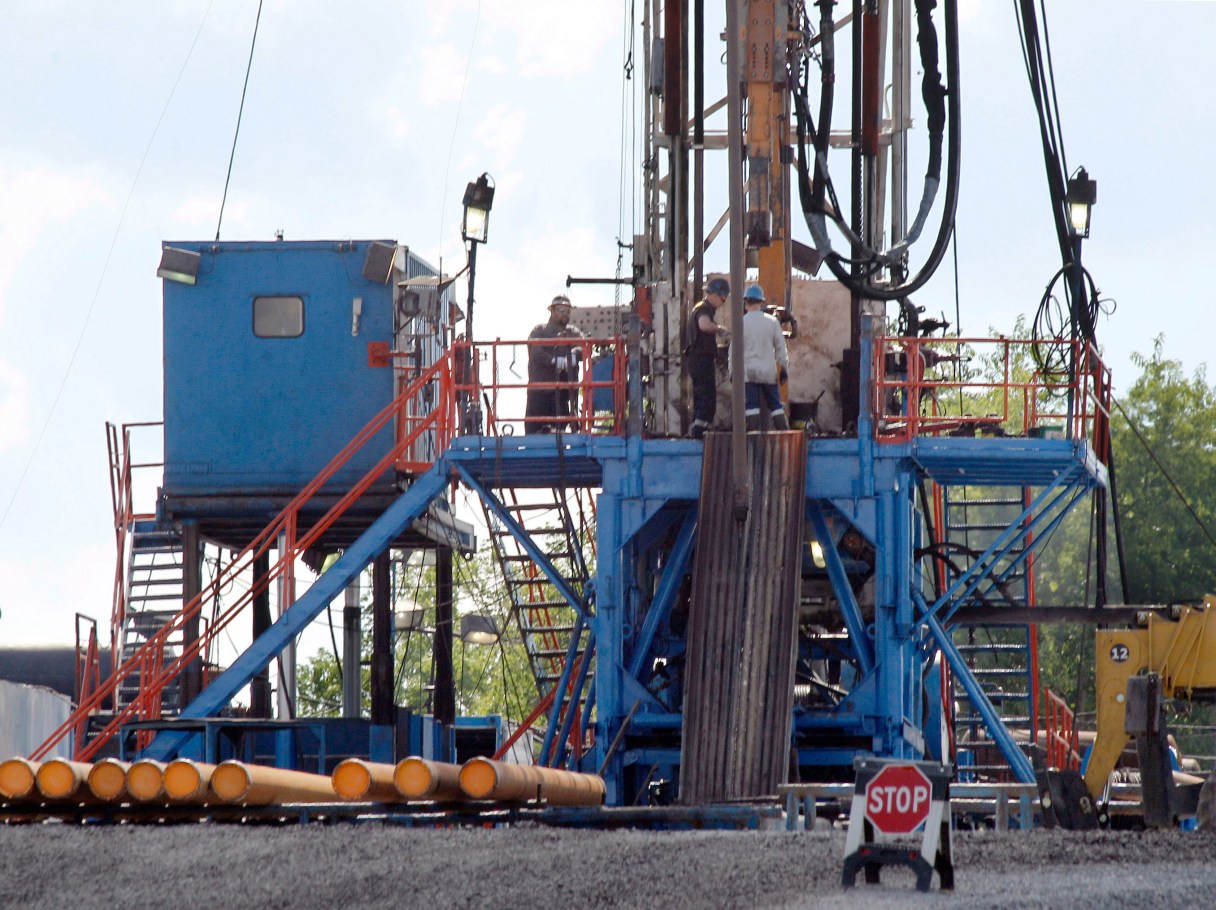
FILE - In this June 25, 2012 file photo, a crew works on a gas drilling rig at a well site for shale based natural gas in Zelienople, Pa. Hydraulic fracturing to drill for oil and natural gas poses a risk to drinking water in some circumstances, but a lack of information precludes a definitive statement on how severe the risk is, the Environmental Protection Agency says in a new report that raises more questions than answers.  (AP Photo/Keith Srakocic, File)
FILE - In this June 25, 2012 file photo, a crew works on a gas drilling rig at a well site for shale based natural gas in Zelienople, Pa. Hydraulic fracturing to drill for oil and natural gas poses a risk to drinking water in some circumstances, but a lack of information precludes a definitive statement on how severe the risk is, the Environmental Protection Agency says in a new report that raises more questions than answers. (AP Photo/Keith Srakocic, File) FILE - In this June 25, 2012 file photo, a crew works on a gas drilling rig at a well site for shale based natural gas in Zelienople, Pa. Hydraulic fracturing to drill for oil and natural gas poses a risk to drinking water in some circumstances, but a lack of information precludes a definitive statement on how severe the risk is, the Environmental Protection Agency says in a new report that raises more questions than answers. (AP Photo/Keith Srakocic, File)

WASHINGTON (AP) – Hydraulic fracturing to drill for oil and natural gas poses a risk to drinking water in some circumstances, but a lack of information precludes a definitive statement on how severe the risk is, the Environmental Protection Agency says in a new report that raises more questions than answers.

The report removes a finding from a draft issued last year indicating that fracking has not caused “widespread, systemic” harm to drinking water in the United States. Industry groups hailed the draft EPA study as proof that fracking is safe, while environmentalists seized on the report’s identification of cases where fracking-related activities polluted drinking water.

The final report, completed at a cost of $29 million over six years, takes pain to avoid conclusions.

“The report provides valuable information about potential vulnerabilities to drinking water resources, but was not designed to be a list of documented impacts,” the EPA said.

Fracking involves pumping huge volumes of water, sand and chemicals underground to split open rock formations so oil and gas will flow. The practice has spurred an ongoing energy boom but has raised widespread concerns that it might lead to groundwater contamination, increased air pollution and even earthquakes.