
Thursday, November 12, 2026Nov 12

In Colombia, hundreds of jailed rebels await amnesty law

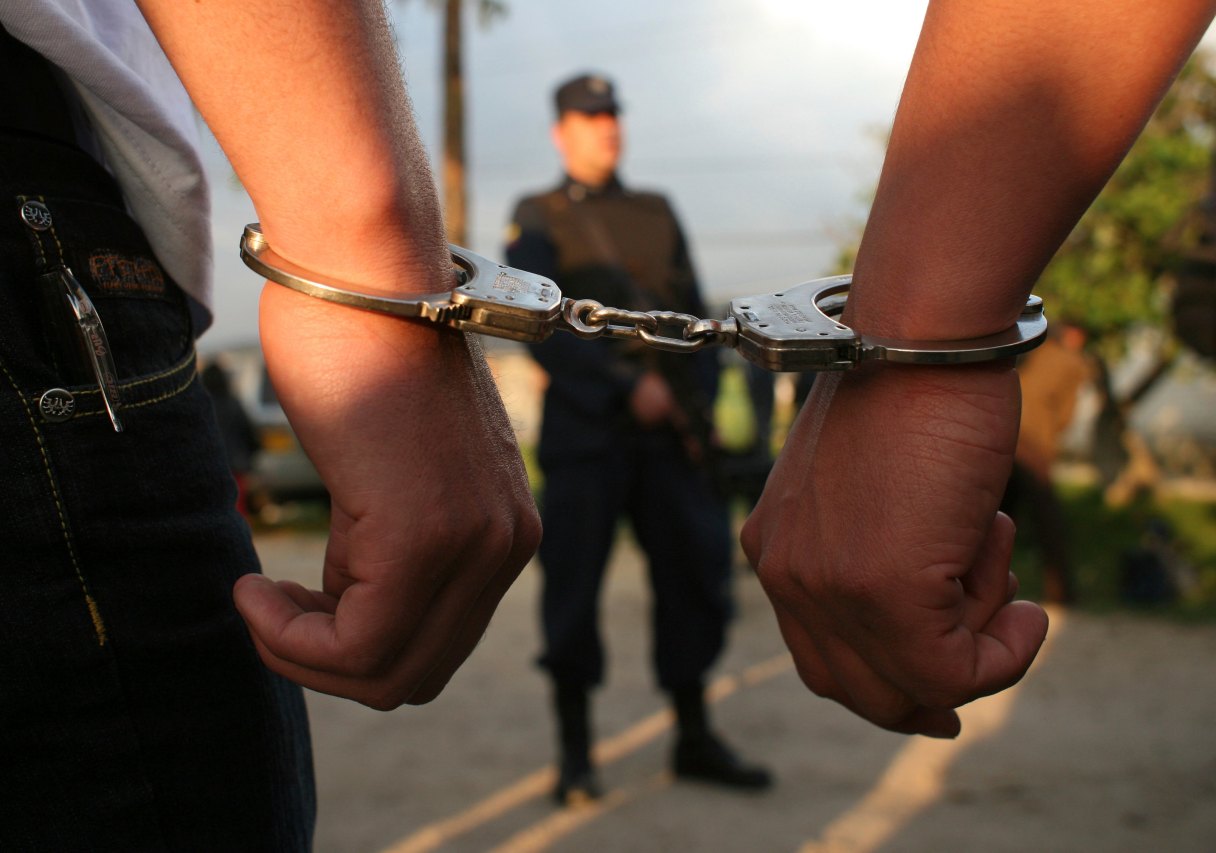
FILE - In this March 11, 2009 file photo, two handcuffed rebels of the Revolutionary Armed Forces of Colombia, FARC, walk back to their cells after attending a ceremony where they were graduated as "peacemakers" after they renounced the rebel group and the armed struggle, at La Picota prison in southern Bogota, Colombia. Behind bars some 4,000 FARC members are waiting anxiously for January 2017, for the passage of an amnesty law that will allow them to leave behind long prison sentence and rejoin their comrades as part of a peace deal. (AP Photo/William Fernando Martinez, File)
FILE - In this March 11, 2009 file photo, two handcuffed rebels of the Revolutionary Armed Forces of Colombia, FARC, walk back to their cells after attending a ceremony where they were graduated as "peacemakers" after they renounced the rebel group and the armed struggle, at La Picota prison in southern Bogota, Colombia. Behind bars some 4,000 FARC members are waiting anxiously for January 2017, for the passage of an amnesty law that will allow them to leave behind long prison sentence and rejoin their comrades as part of a peace deal. (AP Photo/William Fernando Martinez, File) FILE - In this March 11, 2009 file photo, two handcuffed rebels of the Revolutionary Armed Forces of Colombia, FARC, walk back to their cells after attending a ceremony where they were graduated as "peacemakers" after they renounced the rebel group and the armed struggle, at La Picota prison in southern Bogota, Colombia. Behind bars some 4,000 FARC members are waiting anxiously for January 2017, for the passage of an amnesty law that will allow them to leave behind long prison sentence and rejoin their comrades as part of a peace deal. (AP Photo/William Fernando Martinez, File)

BOGOTA, Colombia (AP) – Some 4,000 jailed Colombian guerrillas are waiting anxiously on an amnesty bill that would allow them to leave behind long prison sentences and rejoin their comrades as part of a peace deal.

The amnesty is the first legislative initiative to emerge from the accord between the Revolutionary Armed Forces of Colombia, or FARC, and the government that was ratified last month, ending a half-century of warfare that has left more than 220,000 people dead and almost 6 million displaced. The bill easily cleared two congressional committees this week and is expected to be passed in early January.

The Associated Press visited La Picota prison in the capital, Bogota, and spoke with the rebels – all 150 or so still consider themselves FARC members – about their plans for the future.

Their common living quarters, Patio 4, looks more like a small-town plaza than a maximum-security prison, with prisoners reclining in hammocks, playing dominoes and selling soft drinks from makeshift stores.

The same hierarchy and discipline required on the battlefield are also present here: All the guerrillas said they are ready to take up any assignment from FARC commanders to help the group transition into a political movement.