
Monday, November 16, 2026Nov 16

In Brazil, pregnant women urged to be cautious with a kiss

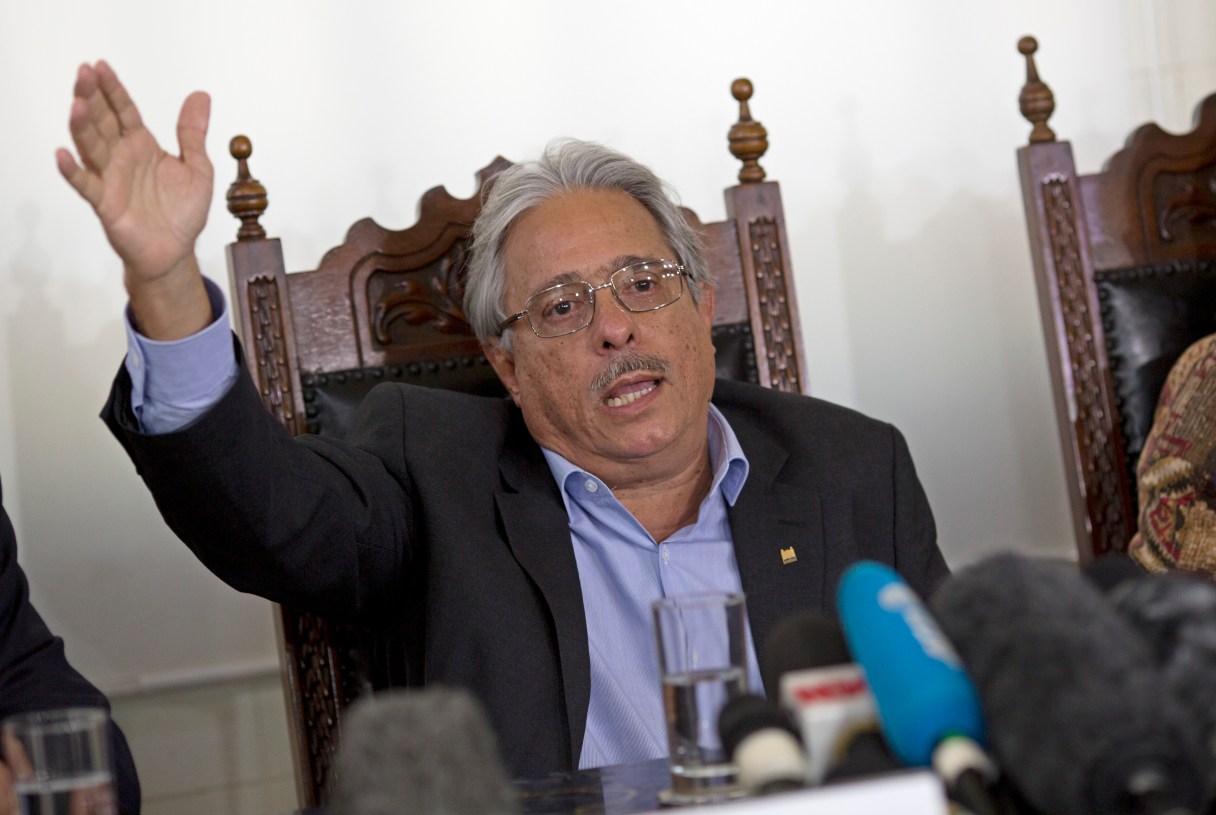
Paulo Gadelha, president of the Oswaldo Cruz Foundation, Brazil’s premier state-run research institute for tropical diseases, speaks during a press conference in Rio de Janeiro, Brazil, Friday, Feb. 5, 2016. Active Zika virus has been found in urine and saliva samples, Gadelha said, cautioning that that further study is needed to determine whether the mosquito-borne virus in those body fluids is capable of infecting people. Gadelha recomended that pregnant women avoid kissing and sharing cutlery, glasses and plates with people who have symptoms of the virus. (AP Photo/Silvia Izquierdo)

LONDON (AP) – A Brazilian health official on Friday warned pregnant women to think twice before giving a kiss as concern grows over the Zika virus suspected of a link to birth defects, and the U.N. office of the High Commissioner for Human Rights said women in countries hit by the Zika virus should have access to birth control methods, dropping laws against abortion in some cases.

Paulo Gadelha, president of the Fiocruz research institute, said at a news conference that scientists have found live samples of the virus in saliva and urine samples, and the possibility it could be spread by the two body fluids requires further study.

He said that calls for special precaution to be taken with pregnant women.

Gadelha suggested pregnant women avoid kissing people other than a regular partner or sharing cutlery, glasses and plates with people who have symptoms of the virus.

“This is not a generalized public health measure, for the love of God,” he added.