
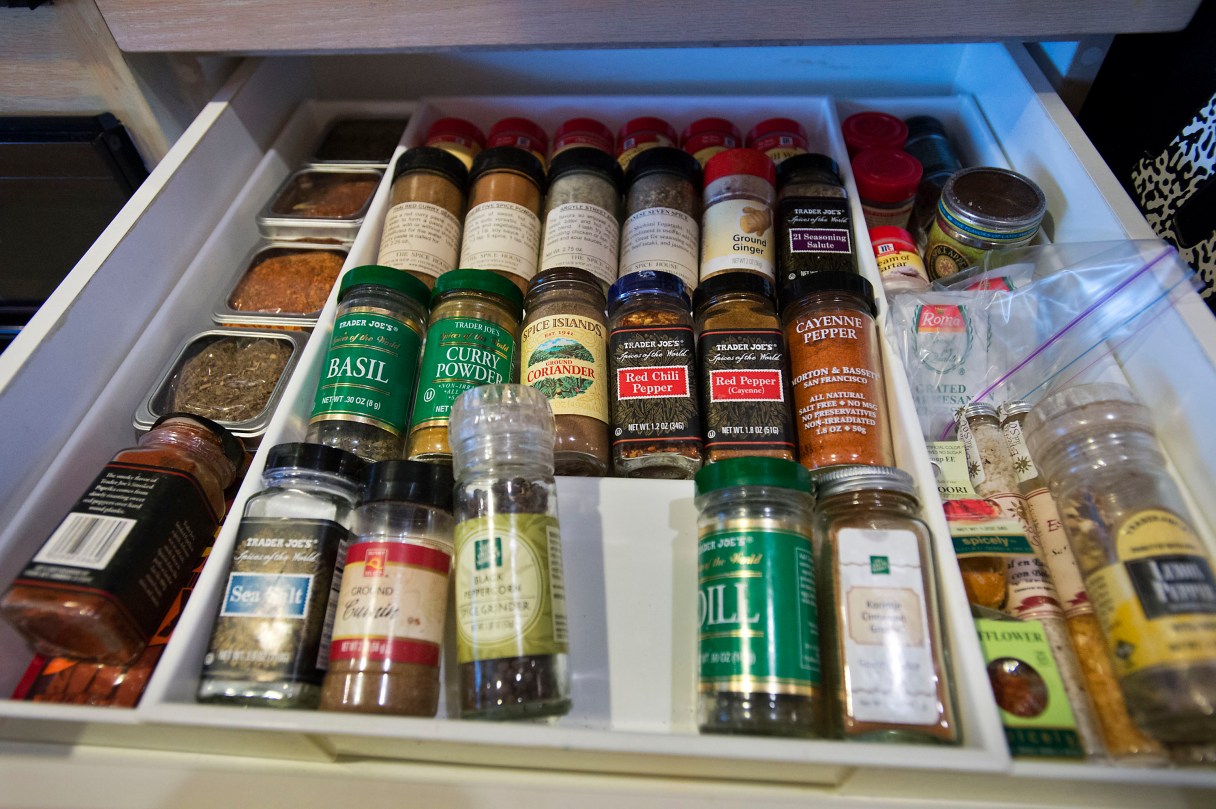
Are you looking for ways to add a little spice to your life? You may be surprised at how simple it can be by doing it yourself. Blending your own spices, I mean.
You’ve probably seen pre-made mixes in the spice aisle at the grocery store. There are Italian blends, Indian mixes, Chinese the list goes on. But if you blend them yourself there are benefits, including the fact that you can control the blend to your own taste preference, says chef and cookbook author Aliza Green, whose latest book, “The Magic of Spice Blends” (Quarry Press, $24.99), takes the guesswork out of which spices work together.
 Anne Braly
“Perhaps you don’t like nutmeg, so cut back on that,” she says. Or you can tailor the mix to your flavor profile, for example, including more red pepper if you like more heat.
“The flavor and aroma of freshly ground and blended spices brings complexity and depth to your cooking in a way that pre-made spice blends do not,” she says.
Consider the spices that have been sitting in your pantry for a year, perhaps longer. Green says not only have they lost their potency, their flavors were actually reduced right after they were ground. And mixing them with other spices only reduces their flavor all the more.
“Their aromatic, volatile oils evaporate first so that often pre-made blends have mostly harsh and even bitter flavors,” she say.
To get an idea of the difference, check out the freshly ground black pepper and pepper that you buy already ground. Just take a sniff, turn your head as you sneeze, then notice the difference between the two, she says.
The most common spice blends depend entirely upon the part of the country from which you hail. Pumpkin pie spice and poultry seasonings are the most popular in the North; in the West, it’s chili powder and barbecue seasoning rubs; in the East, Chesapeake Bay seasoning and apple pie spice are tops on the list. And here in the South, Cajun seasoning and barbecue rubs are deemed most popular, according to Green.
Blending your own spices is not necessarily a cost-saving endeavor. A pre-made mix may be less expensive, “but the results of blending them yourself are so satisfying and the flavors so complex, a less-expensive dish may taste wonderful because of the spice blend you made yourself and used to season the dish,” Green says. “So, perhaps use a less-expensive cut of meat – shoulder rather than tenderloin – and heighten its flavor with the spices to save money.”
You can also save money by properly storing your spices.
* Some spices get rancid if kept in a warm cabinet. This would include anything with an oil content like paprika, cayenne, Spanish-smoked paprika (pimenton) and other ground chiles and red peppers.
* Seeds like poppy, which are high in oil, can also get rancid and should be stored in the fridge or freezer. Interestingly, sesame seeds, though high in oil, tend to resist rancidity.
* Whole spices such as cloves, allspice and cinnamon sticks and whole seeds such as cumin, coriander and mustard will keep for one to two years without deteriorating if stored, as all non-refrigerated spices should be treated, in a dark, cool cabinet or pantry. Better still, keep them in a tin with a tight-fitting lid.
The best places in Chattanooga to find whole spices to grind yourself are Whole Foods Market on Chattanooga’s North Shore, Fresh Market in the Hamilton Place area and Harvest Grocery in Hixson.
The traditional method of grinding spices is using a mortar and pestle, but modern cooks employ spice grinders. You may already be using one to grind coffee beans. They’re inexpensive, so picking up a second one and dedicating it to spice grinding will make blending your own spice mixes so much easier.
In her book, Green takes a look at how spices are used around the world, from the Middle East to the Caribbean, such as those spices used to make jerk seasoning.The taste of grilled meats and fruits is heightened when using freshly ground spices.
Jerk Seasoning
6 tablespoons whole allspice
10 bay leaves, crumbled
2 large quills (sticks) cinnamon
2 tablespoons peppercorns
1/4 cup packed dark brown sugar
2 tablespoons chopped fresh thyme leaves or 2 teaspoons dried thyme
Kosher salt
Heat the allspice, bay leaves, cinnamon and peppercorns in a small, dry skillet over medium heat, shaking the pan for several minutes, or until the fragrance is released. Cool to room temperature and then grind in a spice grinder or with mortar and pestle. Combine with the brown sugar, thyme and salt, to taste. Transfer to a tightly sealed storage container. Store in a cool, dark place for up to 3 months.
Suggested uses: Rub on chicken wings, pork loin or pork tenderloin and marinate overnight before grilling. Also delicious as a rub for pineapple, papaya and firm mango slices prior to grilling.
Contact Anne Braly at abraly@timesfreepress.com.