
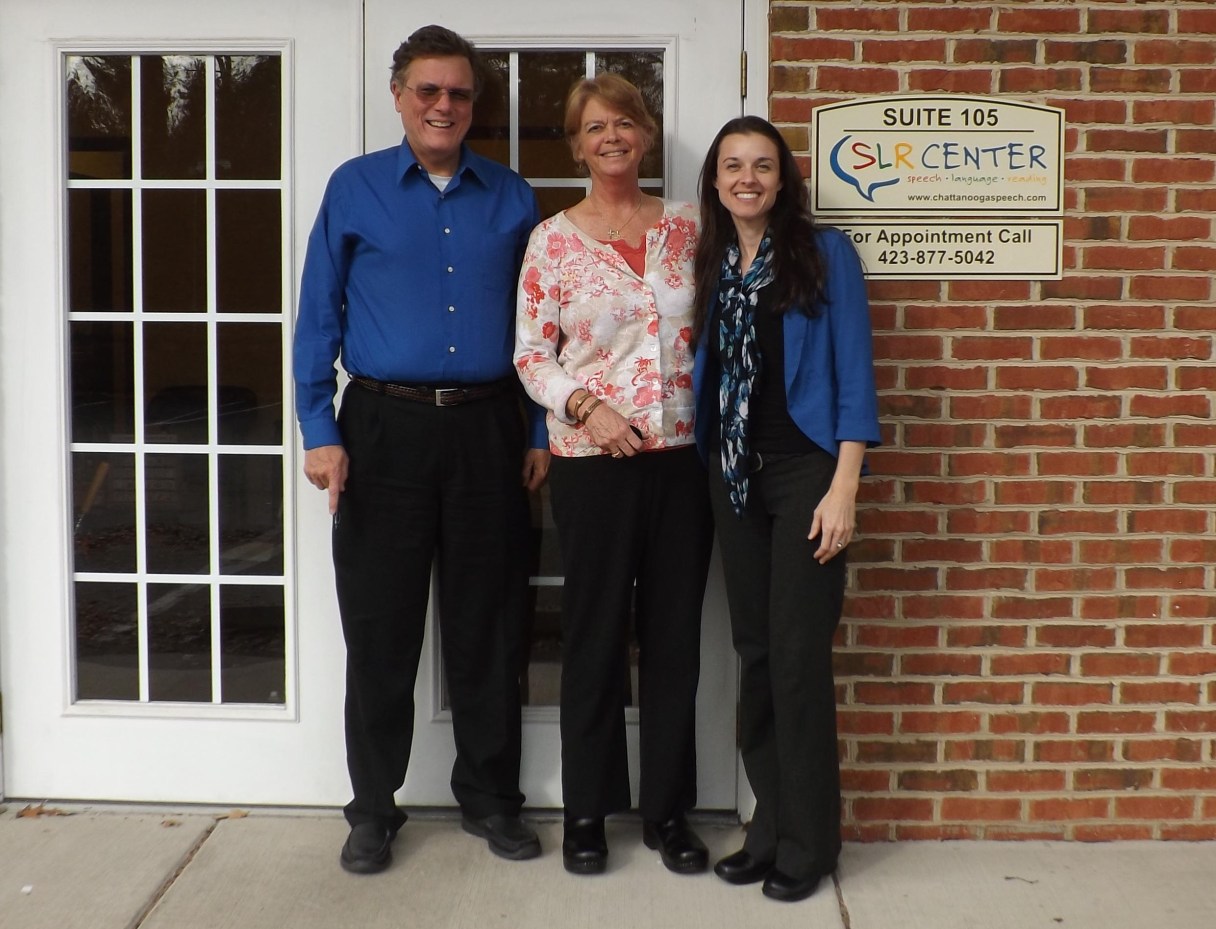
After seeing an educational need in their community, a group of teachers, psychologists and therapists have created the Chattanooga Dyslexia Center in Hixson to serve that need.
“We saw there was a year-long waiting list for autism tests and a year-long list for dyslexia tests available in Murfreesboro,” said Susan Sasse, a school psychologist who organizes and runs testing at the center. “We needed to have something here.”
Opened in January, the local center offers one-on-one support, testing and therapy for students with a host of different developmental issues, including dyslexia, autism, ADHD and fine motor control disorders. The center also has language therapists who can identify specific types of dyslexia, as well as developmental optometrists who can discover issues covering eye tracking and brain function. Reading therapy is another service the center provides through its network of licensed, professional psychologists and pathologists.
To their knowledge, the Chattanooga Dyslexia Center is the only organization like it in the city. They are already looking at growing in order to assist more children with a wider variety of learning disorders, Sasse said.
While the culture surrounding such disorders is changing, she added, more and more students are being diagnosed, but still had really nowhere to turn for the intensive help they needed.
“For years, school systems wouldn’t deal with dyslexia, while parents would be acutely aware of their children’s needs,” said Sasse. “The parents and classroom teachers are aware of it, but there was no place to meet the need for it. We’re looking to provide that avenue to help those kids.”
She and other officials with the center say the community response thus far has been overwhelming – the center was booked full through February once the announcement of its opening was made.
She attributes the center’s surge of growth to pediatric referrals and word of mouth among the parents of developmentally challenged students.
“It’s amazing how fast parents spread the word when they find something that’s helping their child,” Sasse said.
To learn more, contact the Chattanooga Dyslexia Center at 877-5042.
Email Shane Foley at sfoley@timesfreepress.com.