
BEIJING (AP) – China faces pressure to reassure nervous world markets about its economic and currency management at Friday’s gathering in Shanghai of finance ministers and central bankers from the United States, Europe and other major nations.
Such meetings of the Group of 20 major rich and developing economies tend to yield no major policy changes. But with anxiety rising over lackluster global growth, investors are looking for reassurance from Beijing.
Chinese leaders want a bigger role in guiding global finance and trade but their reputation for economic competence has been battered by turmoil in their financial markets. Economists and other governments complain Beijing has fueled global market volatility by failing to communicate policy changes clearly.
A collapse in Chinese stock prices last year wiped out some $5 trillion in paper wealth, and the country’s main market index fell by an unusually large daily margin of 6.4 percent on Thursday.
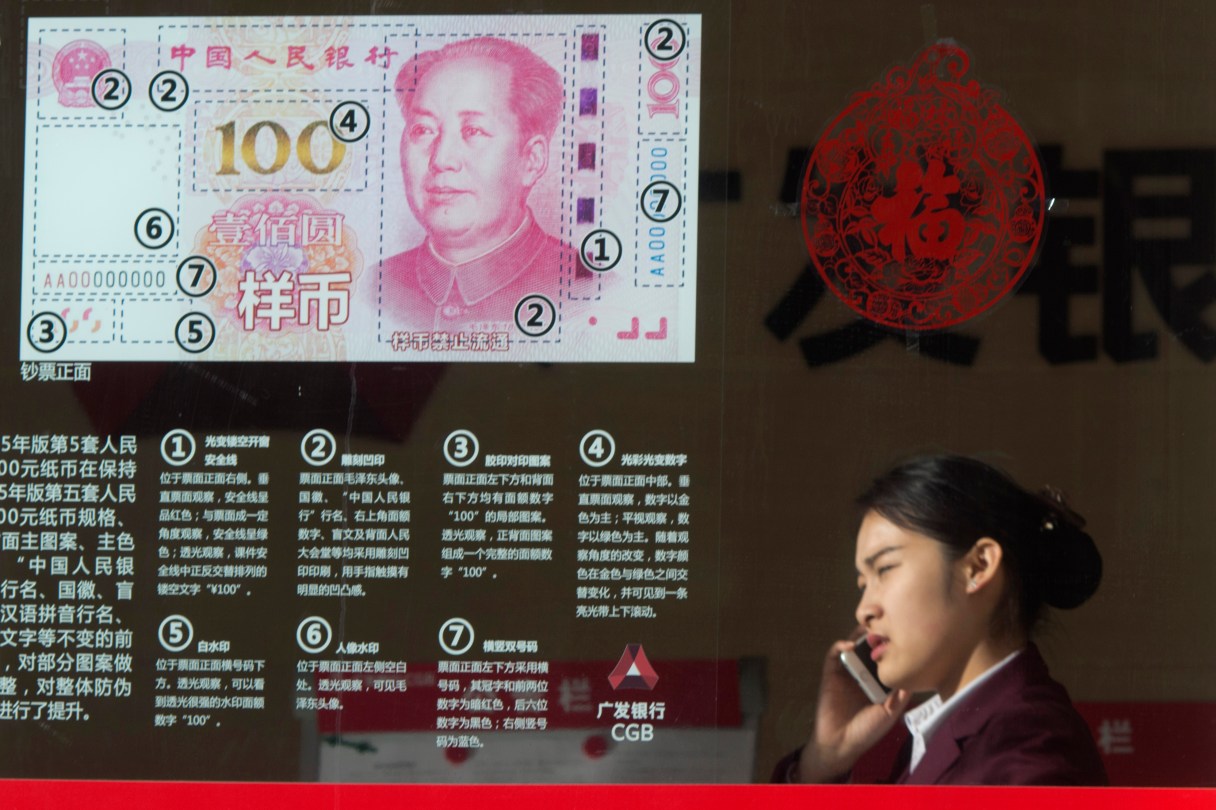
Beijing has allowed its yuan to decline against the dollar since August, sparking concern, despite repeated Chinese denials, that the currency will be weakened further to boost exports. That has driven an outflow of capital from China that spiked to a record $135 billion in December.