
Friday, October 30, 2026Oct 30

This story is free to read.

Washington’s new apple joining a changing industry

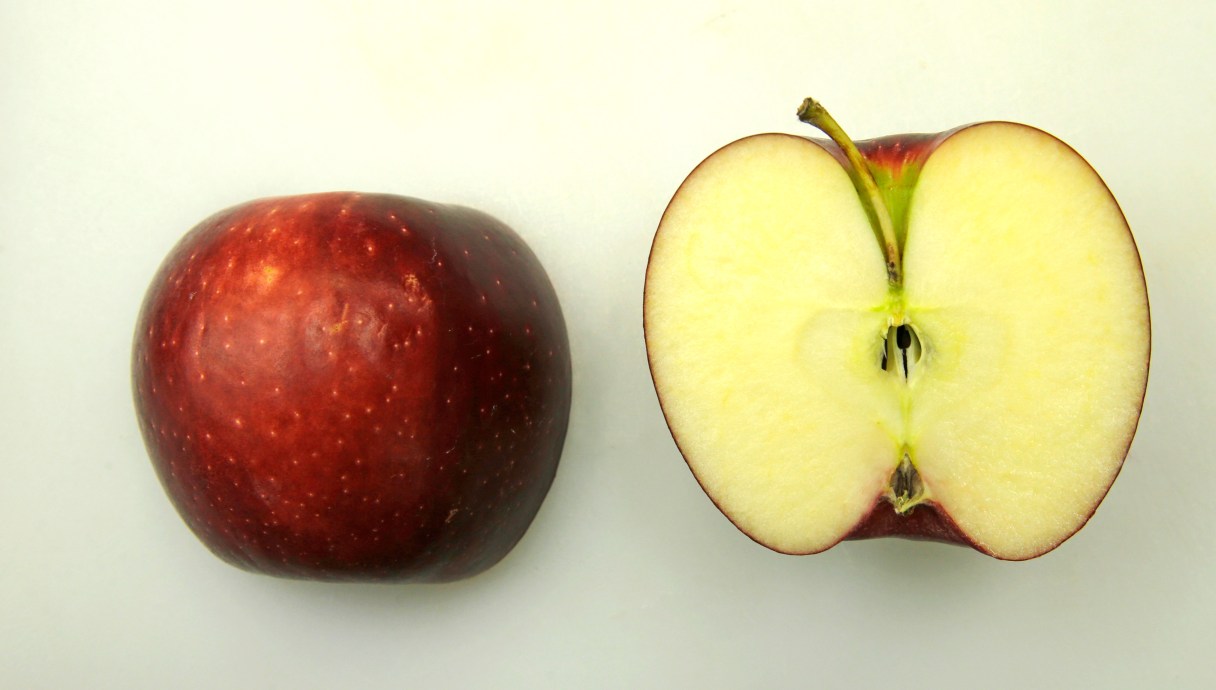
In this photo taken Friday, Feb. 12, 2016, a sliced Cosmic Crisp apple is shown at Washington State University's Tree Fruit Research & Extension Center in Wenatchee, Wash. The apple is a brand new trademarked and focus group tested variety developed by the WSU lab over the last 20 years. It is named in part for its white pores that contrast with its red skin. (AP Photo/Ted S. Warren)
In this photo taken Friday, Feb. 12, 2016, a sliced Cosmic Crisp apple is shown at Washington State University's Tree Fruit Research & Extension Center in Wenatchee, Wash. The apple is a brand new trademarked and focus group tested variety developed by the WSU lab over the last 20 years. It is named in part for its white pores that contrast with its red skin. (AP Photo/Ted S. Warren) In this photo taken Friday, Feb. 12, 2016, a sliced Cosmic Crisp apple is shown at Washington State University's Tree Fruit Research & Extension Center in Wenatchee, Wash. The apple is a brand new trademarked and focus group tested variety developed by the WSU lab over the last 20 years. It is named in part for its white pores that contrast with its red skin. (AP Photo/Ted S. Warren)

WENATCHEE, Wash. (AP) – Blanketed by winter snow, orchards are mostly idle around central Washington, the production hub of the nation’s top apple producing state.

But in a basement lab in the city of Wenatchee, Washington State University scientists are meticulously working. They slice, taste and measure appearance, firmness and crispness of dozens of apples, including a new variety dubbed “Cosmic Crisp,” a name inspired by white pores contrasting against its red skin.

“Cosmic Crisp is the first big release the Washington industry is going to have all to itself.” said Kate Evans, a lead scientist at WSU’s Tree Fruit Research & Extension Center.

Trademarked and focus group-tested, Cosmic Crisp was developed by the WSU lab over the last 20 years. For at least one decade, it will be available for planting only to Washington farmers.

That type of restriction is a reflection of the increasingly fragmented apple industry, where major growers have moved away from relying on few varieties for their income. Rather, many are diversifying their orchards, aiming to cash in on the premium prices of licensed niche apples, and creating competition among breeders to develop the next big flavorful apple.