
Tuesday, November 3, 2026Nov 3

This story is free to read.

UN science report warns of fewer bees, other pollinators

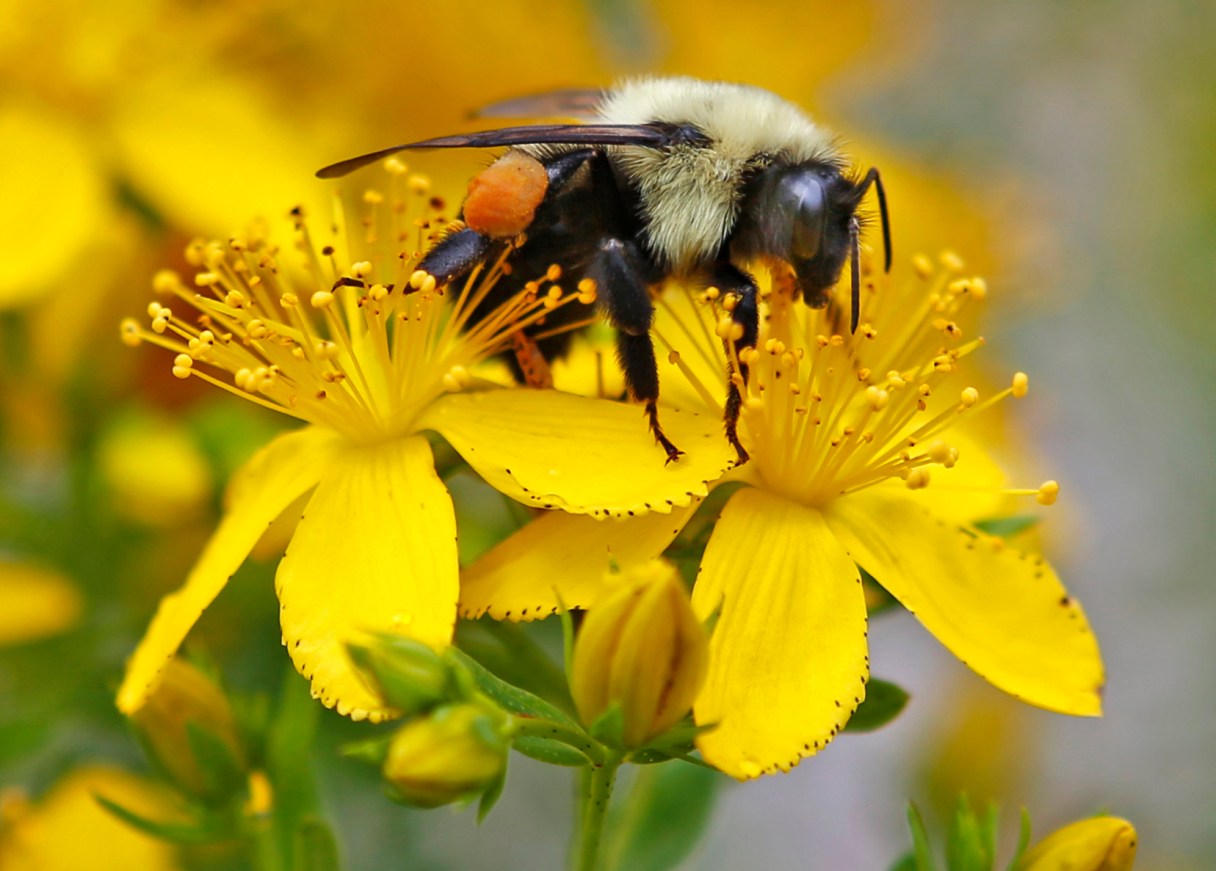
FILE - In this July 8, 2015 file photo a bumblebee gathers nectar on a wildflower in Appleton, Maine.  A United Nations sponsored scientific mega-report warns that too many species of pollinators are nearing extinction. These are bees, butterflies, even some birds and 20,000 other species that are crucial to the world’s food supply.  (AP Photo/Robert F. Bukaty, File)
FILE - In this July 8, 2015 file photo a bumblebee gathers nectar on a wildflower in Appleton, Maine. A United Nations sponsored scientific mega-report warns that too many species of pollinators are nearing extinction. These are bees, butterflies, even some birds and 20,000 other species that are crucial to the world’s food supply. (AP Photo/Robert F. Bukaty, File) FILE - In this July 8, 2015 file photo a bumblebee gathers nectar on a wildflower in Appleton, Maine. A United Nations sponsored scientific mega-report warns that too many species of pollinators are nearing extinction. These are bees, butterflies, even some birds and 20,000 other species that are crucial to the world’s food supply. (AP Photo/Robert F. Bukaty, File)

WASHINGTON (AP) – A new United Nations report warns that many species of wild bees, butterflies and other critters that pollinate plants are shrinking toward extinction. It says the world needs to do something about it before food supplies suffer.

The 20,000 or so species of pollinators are key to hundreds of billions of dollars’ worth of crops each year- from fruits and vegetables to coffee and chocolate. Yet the report says 2 out of 5 species of invertebrate pollinators, such as bees and butterflies, are on the path toward extinction.

The trouble is the report can’t point to a single villain. Among the culprits: the lack of diversity in agricultural crops, too few wild flowers for pollinators to use as food, pesticide use, habitat loss, disease, parasites and global warming.