
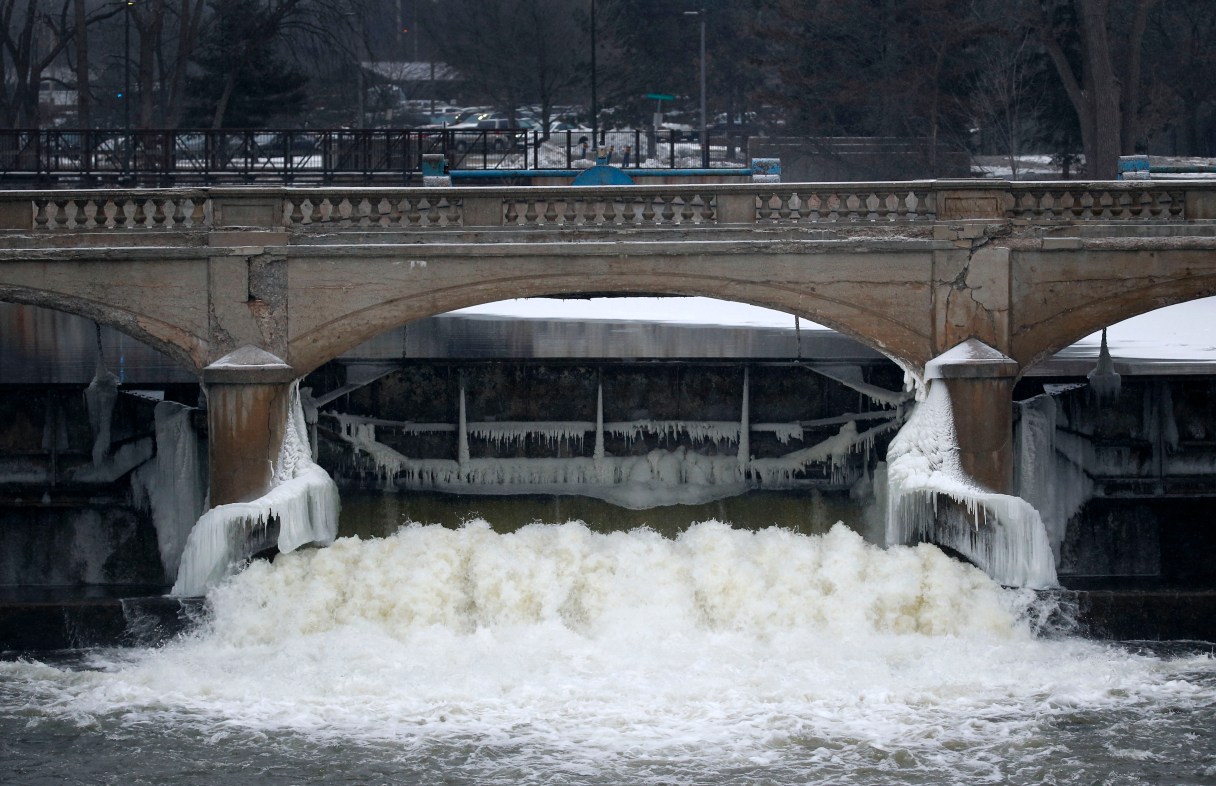
TOLEDO, Ohio (AP) – Lead pipes like the ones that led to contamination of the tap water in Flint, Michigan, carry water into millions of older homes across the U.S. every day, a legacy of an era before scientists realized the severe long-term health consequences of exposure to the heavy metal.
Replacing these buried pipes would be costly in many cases, so chemicals often are added to prevent the plumbing from corroding and leaching lead and other dangerous metals into the drinking water. That’s a step authorities in Flint failed to take, for reasons that are being investigated.
Some researchers question whether chemical treatment and routine testing for lead in the water are enough, arguing that the only way to remove the threat is to replace the pipes.
Utility operators say what happened in Flint – a largely poor and predominantly black city of about 100,000 people that was once an automobile manufacturing powerhouse – is unlikely to be repeated, pointing to a series of mistakes at every level of government.
The city began drawing drinking water from the Flint River, and state environmental regulators failed to make sure the corrosive water was treated to prevent leaching from old pipes. The result: Flint children have been found with high blood levels of lead that could cause lifelong health problems, and parents and others are furious at public officials.