
Friday, November 13, 2026Nov 13

Feds expand critical East Coast habitat for right whales

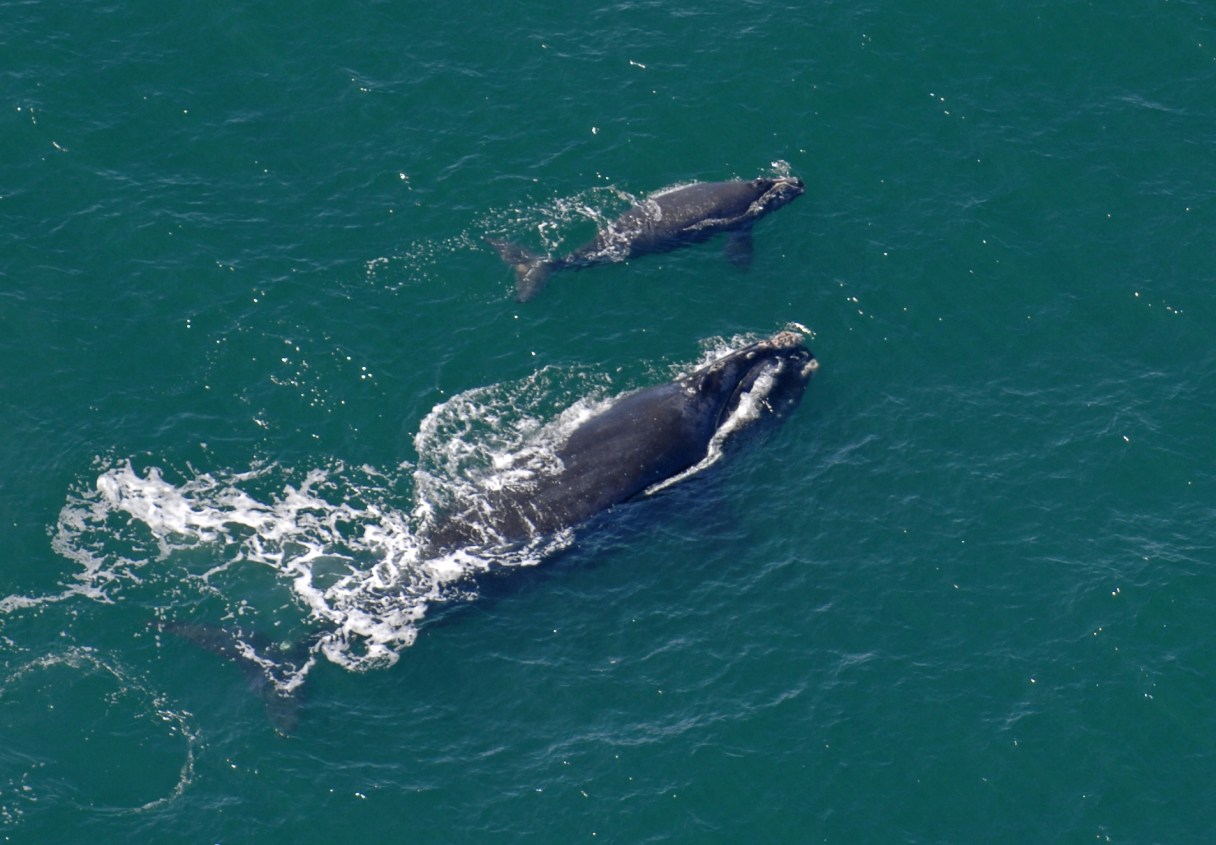
In this 2009 file photo, a female North Atlantic right whale swims at the surface of the water with her calf a few miles off the Georgia coast. On Tuesday, Jan. 26, 2016, the federal government announced it was designating thousands of additional nautical square miles of the Atlantic off the coast of New England and the coast of the Southeast as critical habitat for the endangered whales. (John Carrington/Savannah Morning News via AP, File) THE EXAMINER.COM OUT; SFEXAMINER.COM OUT; WASHINGTONEXAMINER.COM OUT; MANDATORY CREDIT
In this 2009 file photo, a female North Atlantic right whale swims at the surface of the water with her calf a few miles off the Georgia coast. On Tuesday, Jan. 26, 2016, the federal government announced it was designating thousands of additional nautical square miles of the Atlantic off the coast of New England and the coast of the Southeast as critical habitat for the endangered whales. (John Carrington/Savannah Morning News via AP, File) THE EXAMINER.COM OUT; SFEXAMINER.COM OUT; WASHINGTONEXAMINER.COM OUT; MANDATORY CREDIT In this 2009 file photo, a female North Atlantic right whale swims at the surface of the water with her calf a few miles off the Georgia coast. On Tuesday, Jan. 26, 2016, the federal government announced it was designating thousands of additional nautical square miles of the Atlantic off the coast of New England and the coast of the Southeast as critical habitat for the endangered whales. (John Carrington/Savannah Morning News via AP, File) THE EXAMINER.COM OUT; SFEXAMINER.COM OUT; WASHINGTONEXAMINER.COM OUT; MANDATORY CREDIT

CHARLESTON, S.C. (AP) – The federal government is expanding its list of right whale habitat to include calving grounds off the Southeast coast and feeding grounds off New England, increasing the critical area by thousands of square nautical miles.

In all, almost 30,000 square nautical miles are now considered critical – more than six times the area originally designated more than two decades ago.

The North Atlantic right whale, hunted almost to extinction in the 1800s for its oil, is slowly recovering. There were about 300 in 1994, a number now estimated to be about 500.

“We have made progress,” said David Gouveia, the marine mammal and sea turtle conservation coordinator for the Greater Atlantic Region of the National Marine Fisheries Service. “We are on a positive trajectory but there is still plenty of work to be done.”

He said the whales have been helped by measures like speed restrictions on large vessels entering port and rules to prevent whales from being entangled in fishing gear. Expanding the critical habitat should also help, he said.