
Sunday, November 15, 2026Nov 15

In latest fad, Thais treat ‘child angel’ dolls like pets

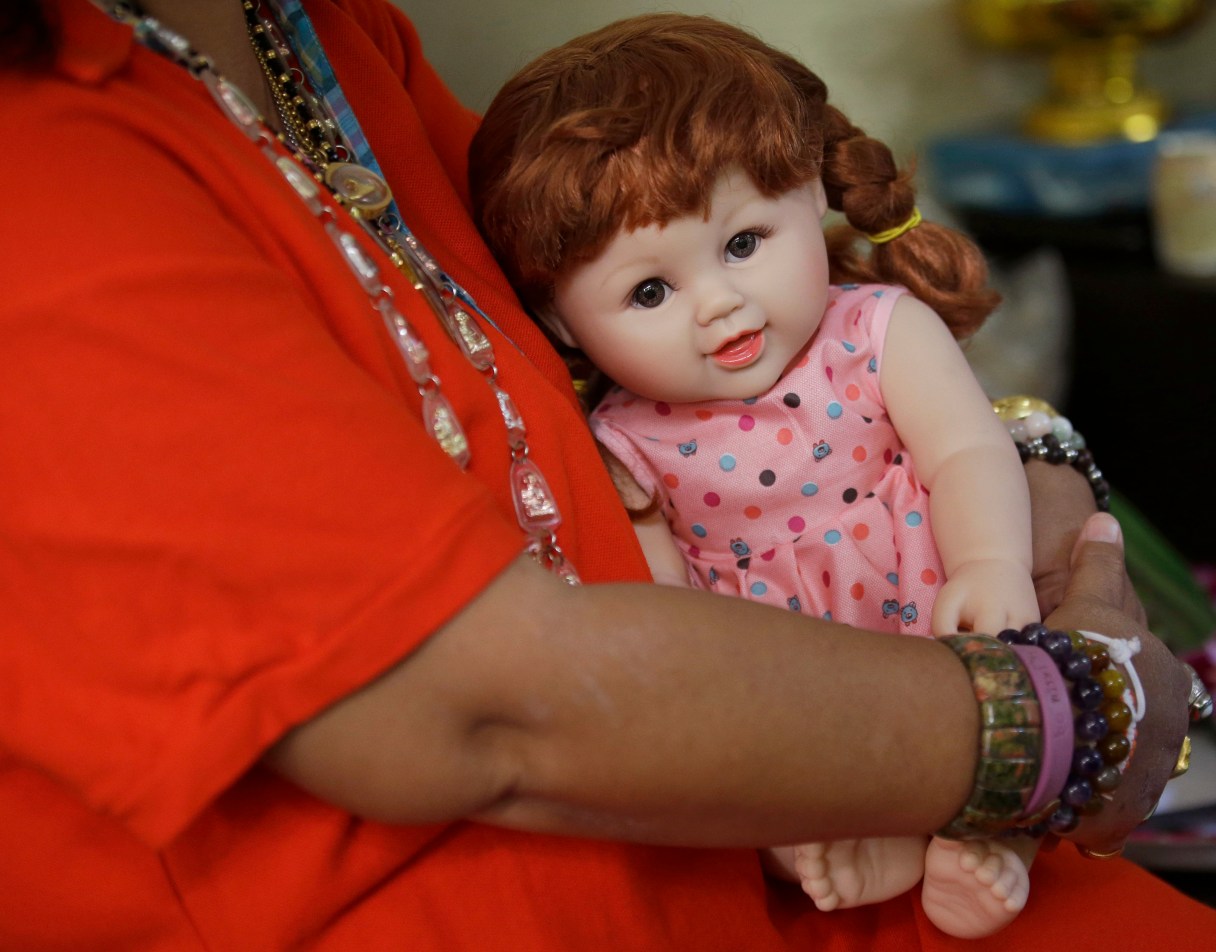
In this Thursday, Jan. 28, 2016 photo, a Thai woman holds a "child angel" doll in Bangkok. Thailand. The dolls, which are said to bring good luck to their owners, became a media sensation this week after a leaked memo from a Thai budget airline gave pointers on how they could be treated like passengers if they have a paid-for seat. Thai people are superstitious, and the doll phenomenon has been analyzed as a modern version of a traditional totem containing real body parts, but as a fad it seems have more in common with Furby dolls. (AP Photo/Sakchai Lalit)

BANGKOK (AP) – Mix one part superstition, two parts fashion, a dab of celebrity idolatry and a heap of media frenzy, and what do you get?

The “child angel” dolls, the latest craze in Thailand. They occupy a niche somewhere between Buddhist amulets, beloved by gamblers, gangsters and policemen for their reputed magical protective powers, and Furby dolls, adored by children for their cuteness.

They will, their adult owners affirm, bring you good luck, especially if you treat them like your own living progeny, taking them along on trips, treating them to meals and praying together at the temple.

While “luk thep” dolls, as they are known in Thai, have previously drawn only mild notice beyond the circle of their devoted collectors, they dominated the news this past week after a leaked memo from budget airline Thai Smile instructed staff to treat the dolls as if they were human passengers – provided, of course, their seats were paid for.

The airline took note of the creepiness factor, suggesting the dolls best be seated as much as possible out of the sight of other passengers.