

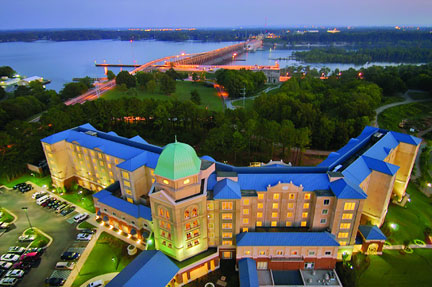
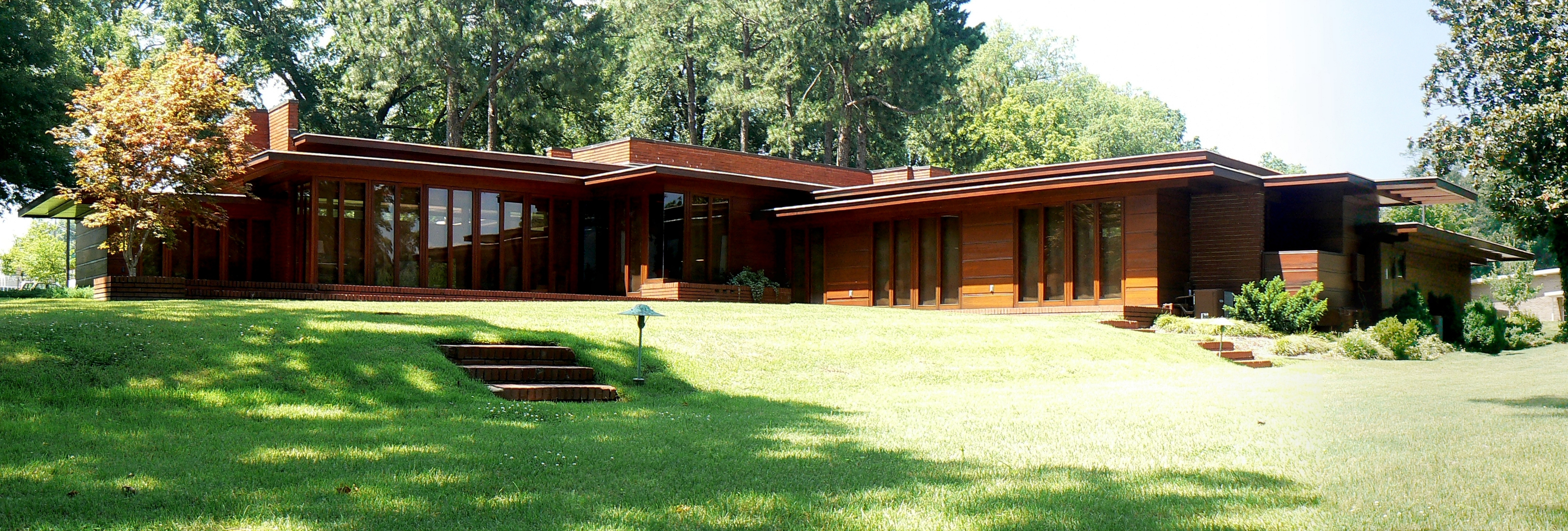
Looking for a charming summer getaway without the hassle of a long-distance drive? Get your dose of laid-back Southern culture just three hours away in the surprisingly design-forward city of Florence, Alabama, which bills itself as “Alabama’s Renaissance City.”
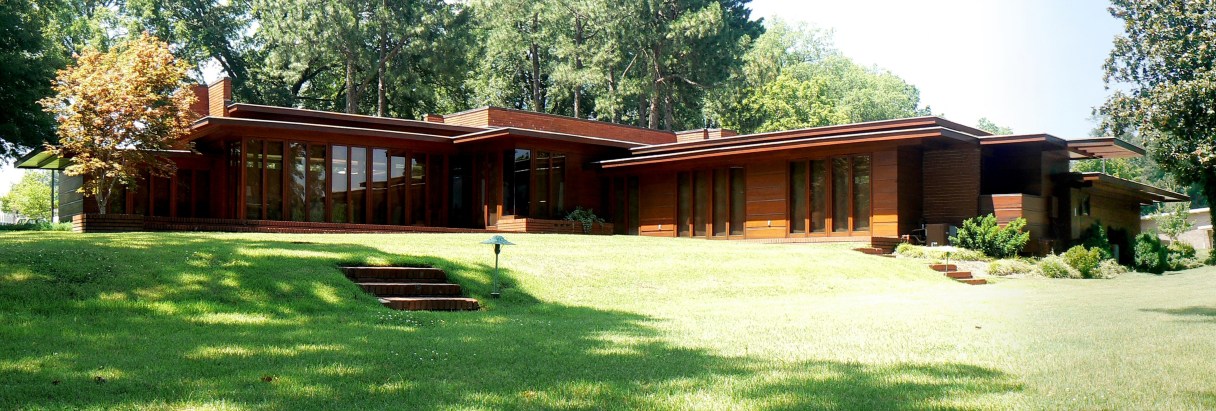
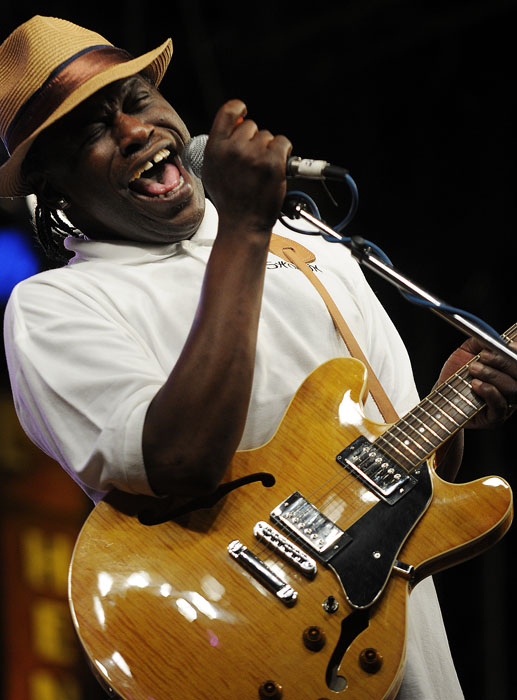
Since 1992, more than $190 million has been invested in renovations to downtown Florence, where you’ll also find beautiful historic homes and the flagship store of nationally known fashion designer Billy Reid (his Southern-classic designs can be found locally at Hanover Blue), who calls the city home. Located in the Americana Music Triangle, the city’s neighbor, Muscle Shoals, is home to several famed music studios, and Florence hosts several festivals focused on music during the summer months.
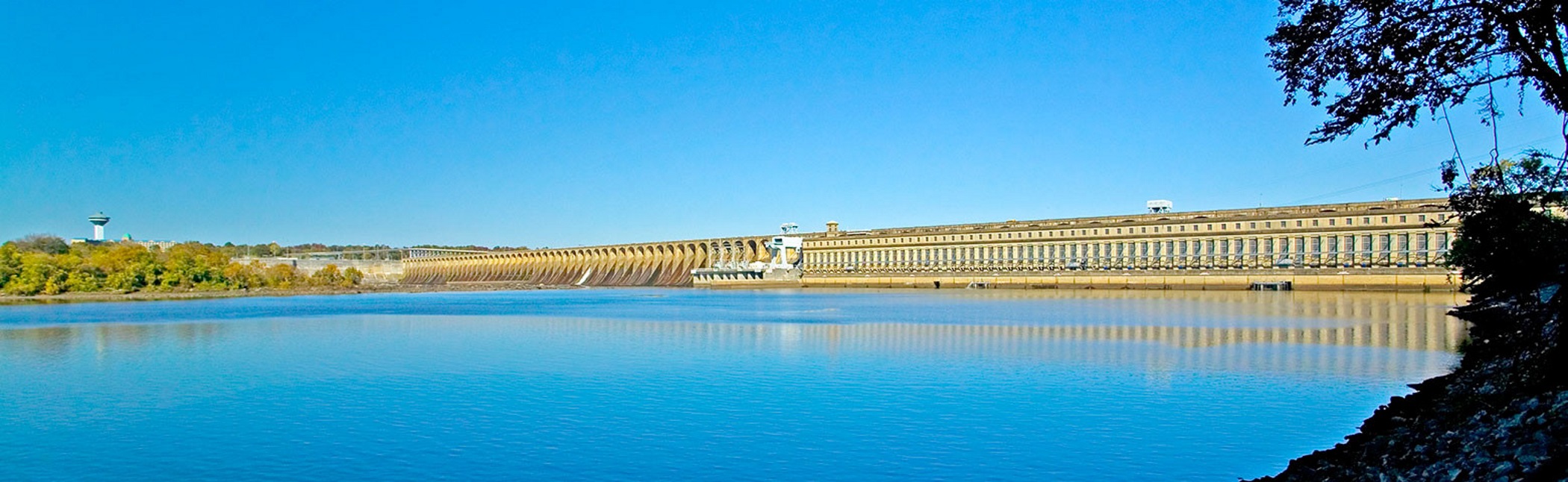
The Cherokee called the river running through the area (the Tennessee) “Unashay,” or “singing river,” and believed a muse lived in the river who sang to them. It is now believed that the “singing” was the sound of water rushing around the rocks and sluices common in the Shoals, a sound that disappeared once the river was dammed by Tennessee Valley Authority. But the muse still reached a plethora of musicians, many of whom recorded hit songs in Muscle Shoals’ iconic FAME Studios, including Aretha Franklin, Otis Redding and Wilson Pickett.
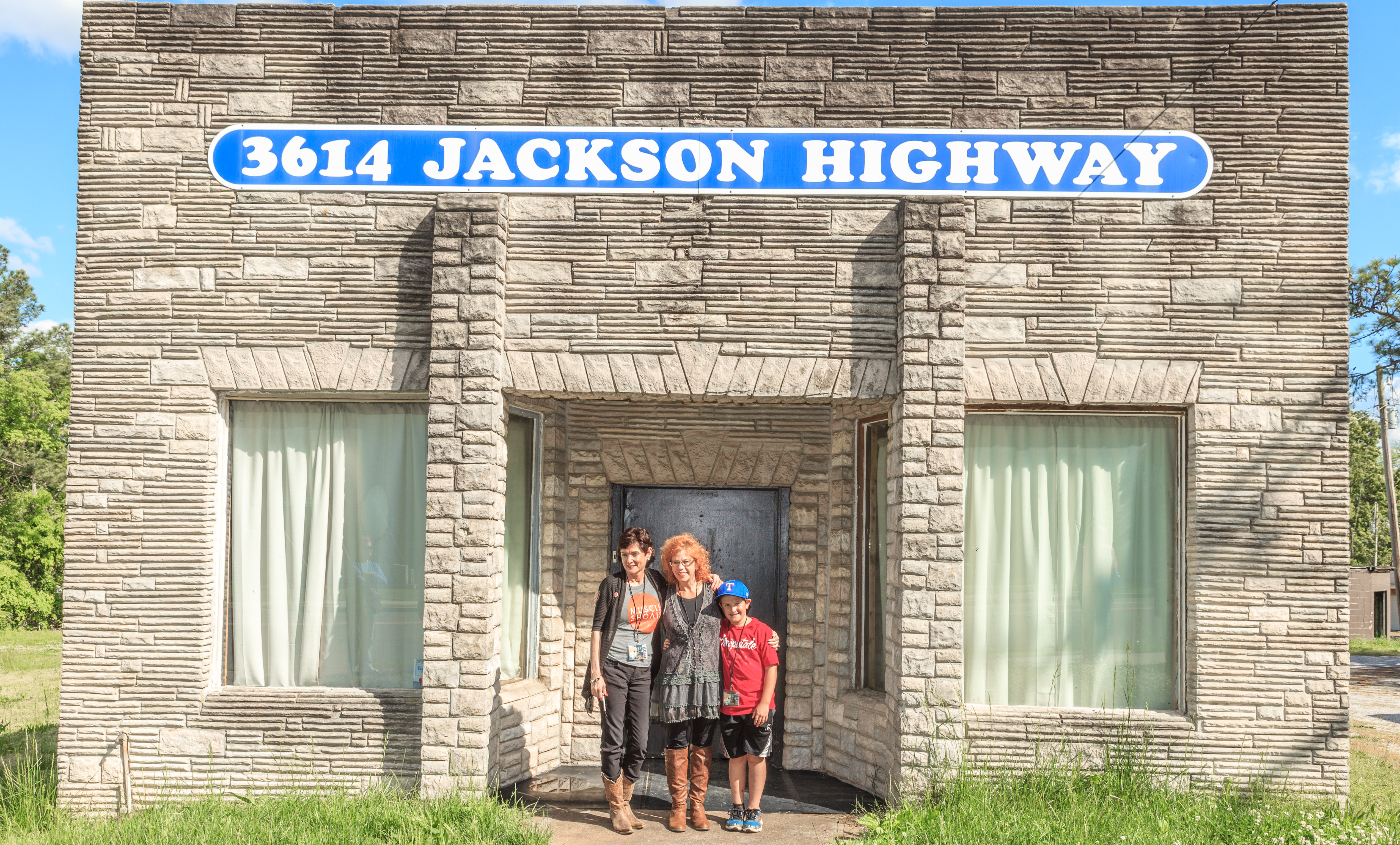
Take a tour of the studio, or book a music-themed “Swampette” tour of the area with Judy Hood, wife of bass player David Hood of the Swampers, the studio’s house band. Composed of white session players, the Swampers would back the studio’s primarily black artists during FAME’s heyday in the Civils Rights era. Be sure to also head to the legendary 3614 Jackson Highway building that housed Muscle Shoals Sound Studio, which was founded by the Swampers in 1969 and has hosted recording sessions for artists such as the Rolling Stones and Paul Simon.
The blues and more