
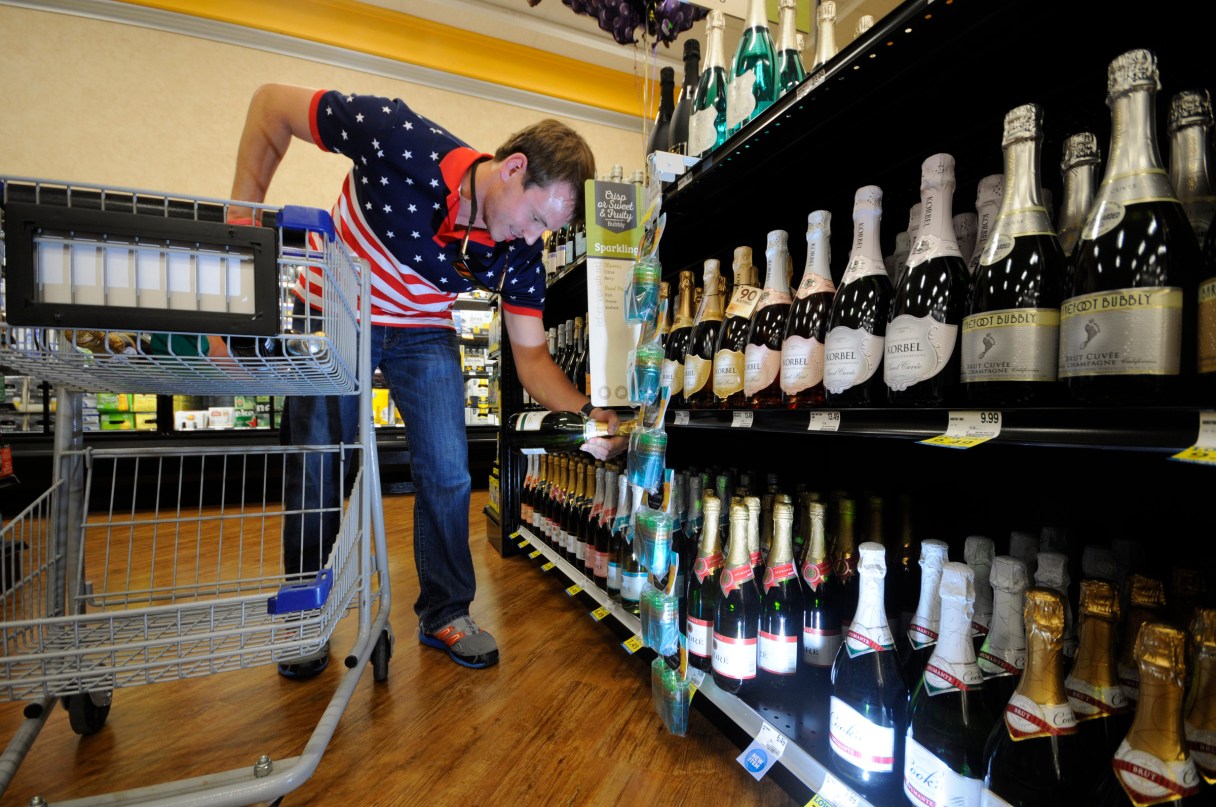

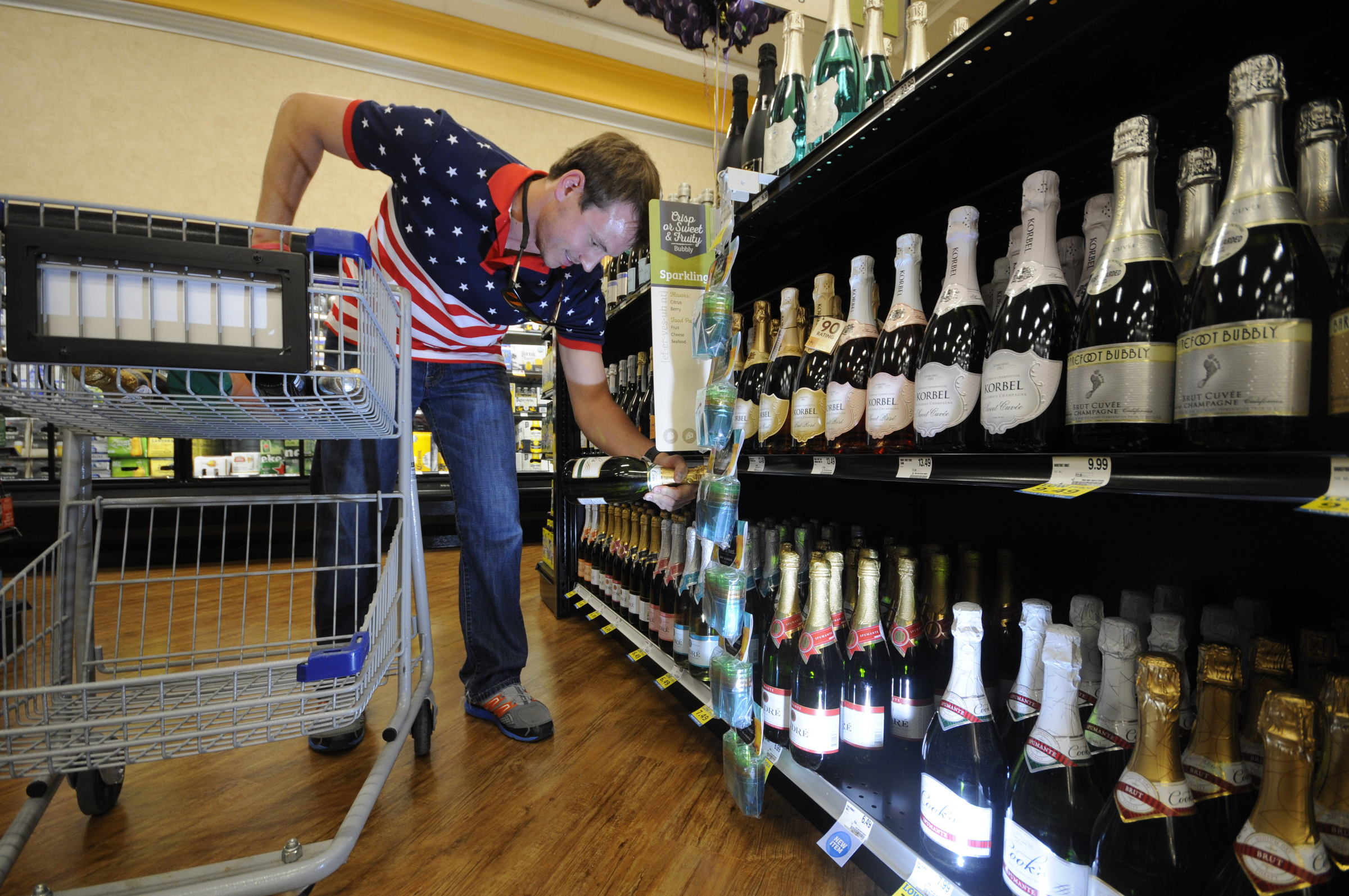
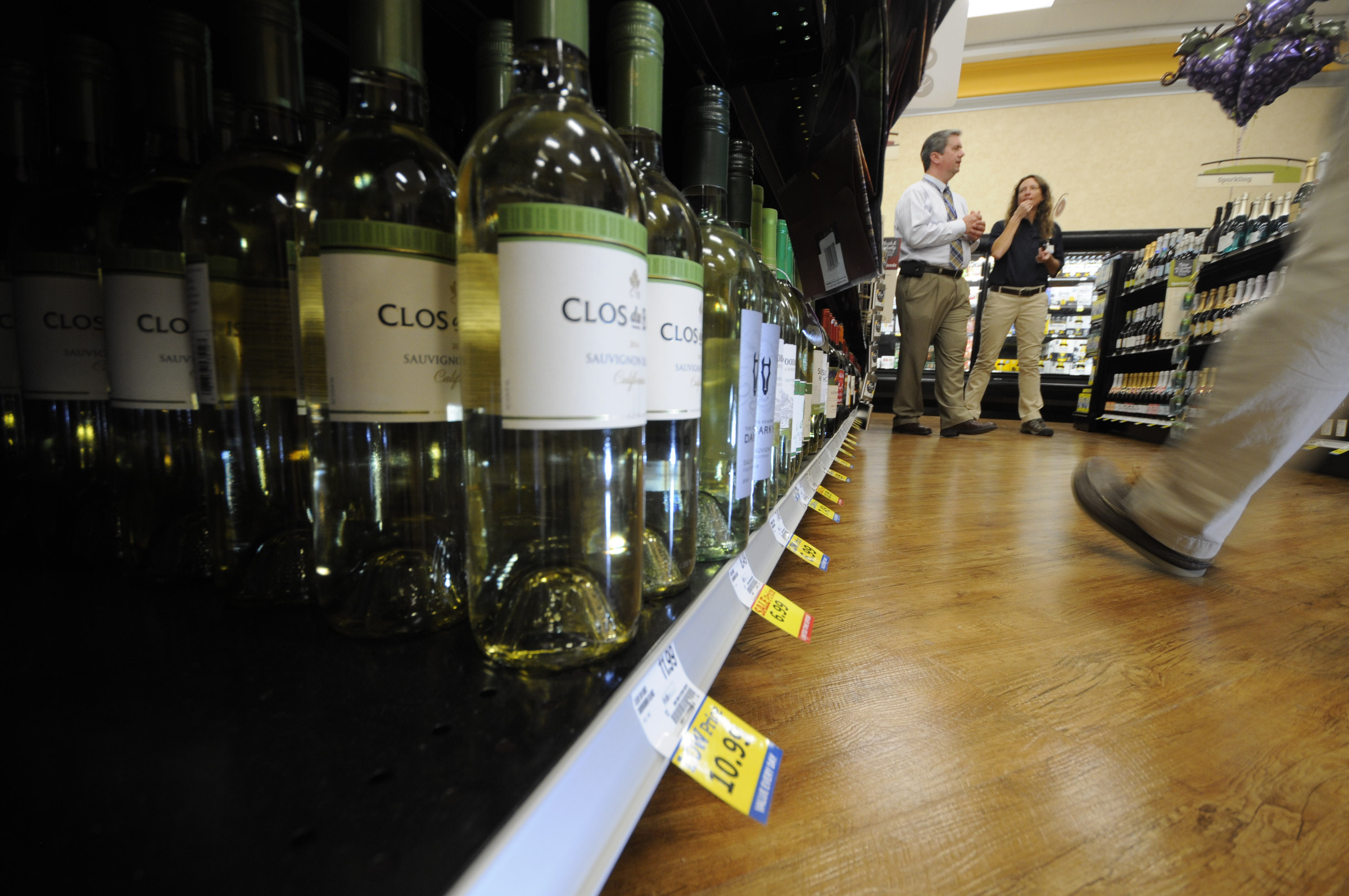
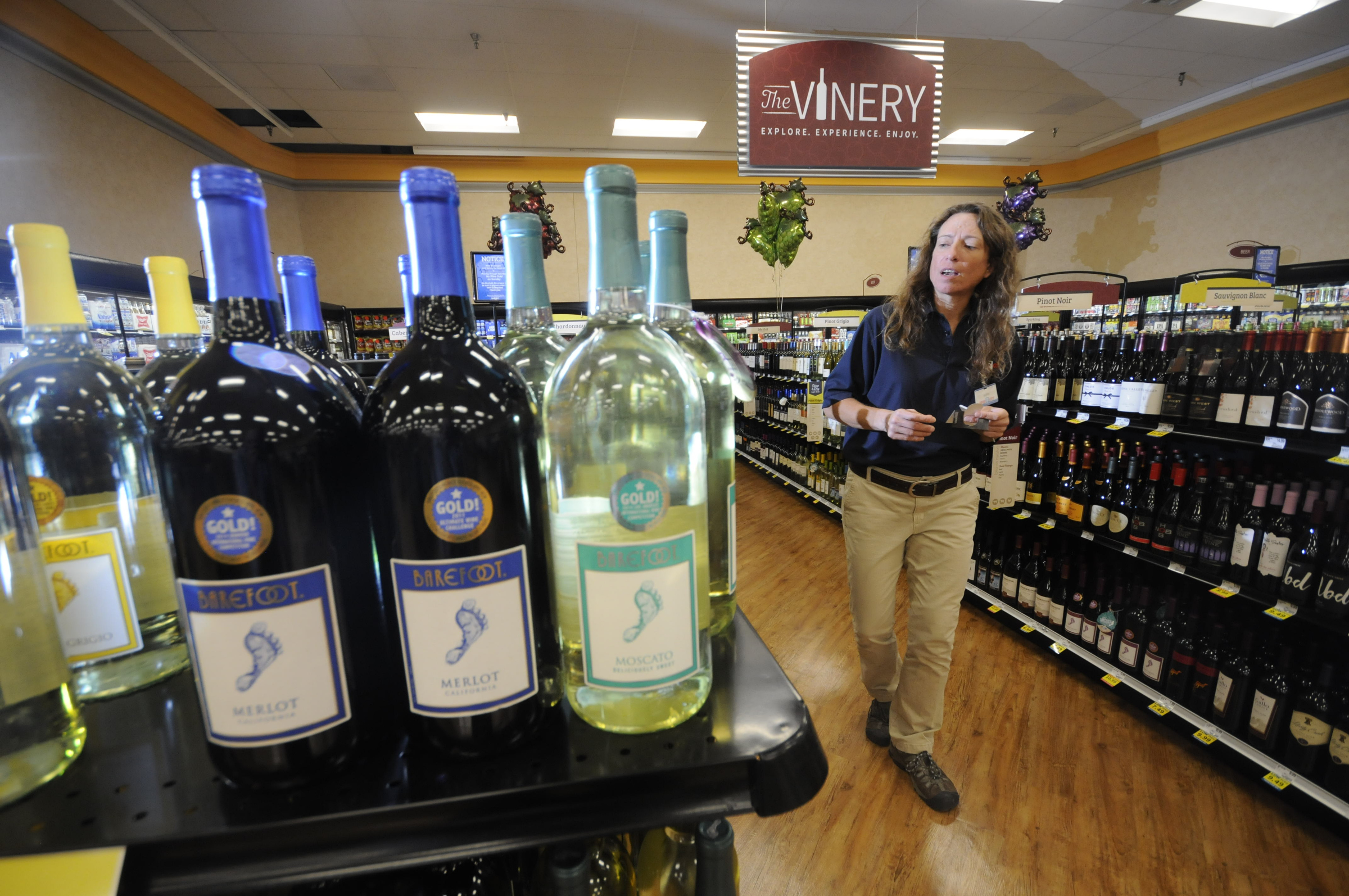
Tennessee grocers on Friday began selling wine for the first time, which a Food City executive heralded as a victory for consumer choice.
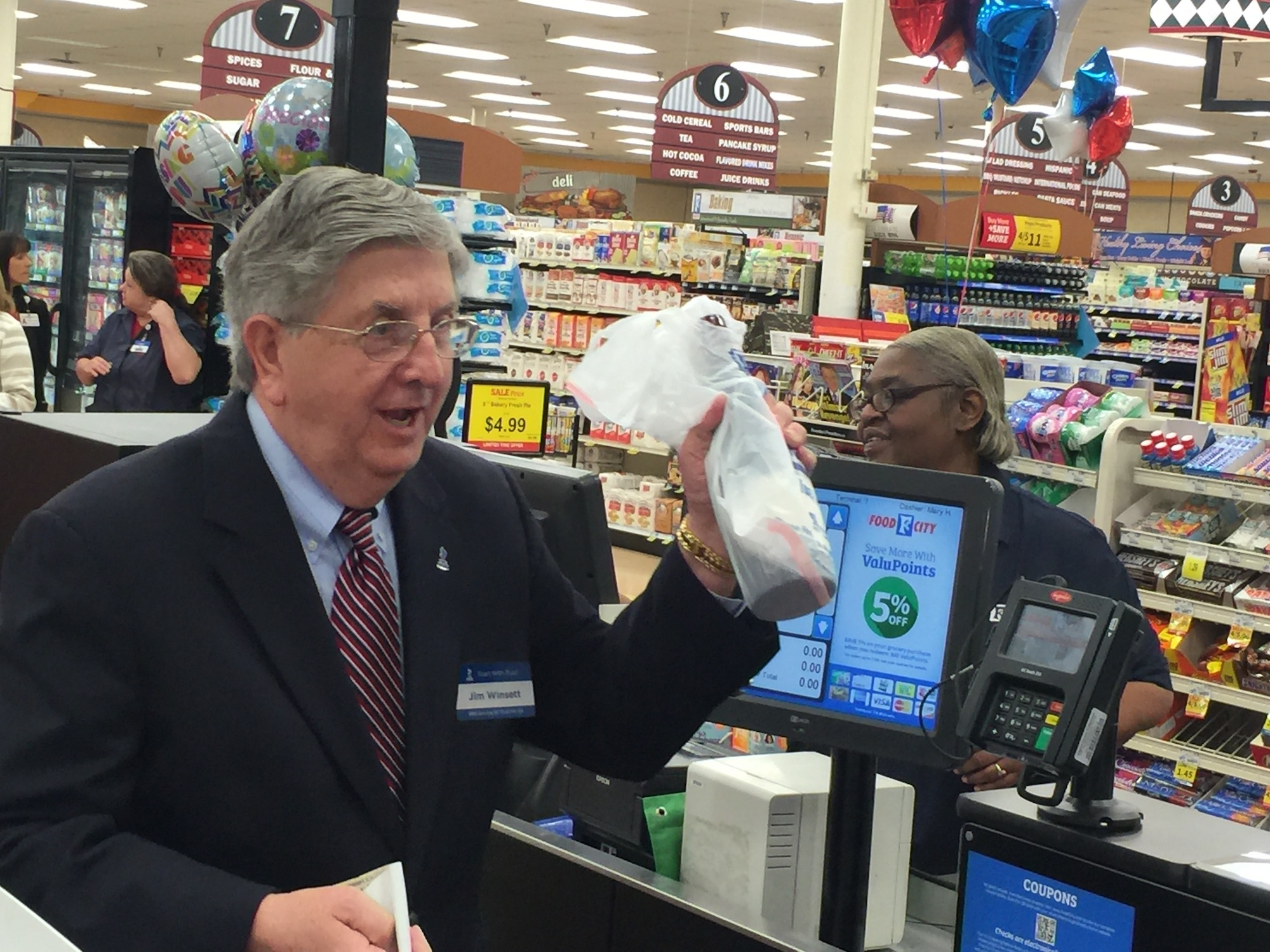
At the St. Elmo Food City store – one of 69 Food City grocery outlets that began selling wine at 8 a.m. Friday – company officials gathered with state legislative leaders and wine enthusiasts to celebrate their newest offerings by uncorking giant wine bottles filled with confetti. Food City Executive Vice President Mickey Blazer said Friday was an “exciting day for the grocery industry and for the people of Tennessee.”
Wine in grocery stores is one of the most significant changes to state liquor laws since the repeal of Prohibition, and it will impact the way consumers shop for booze, grocery stores’ bottom lines and the way many liquor stores conduct business.
“This has been a long time coming, but it helps establish a level playing field for selling wine all over the retail industry in Tennessee,” Blazer told a gathering of political leaders, store employees and grocery consumers.
Prior to Friday, wine in Tennessee could only be sold at state-licensed liquor stores.
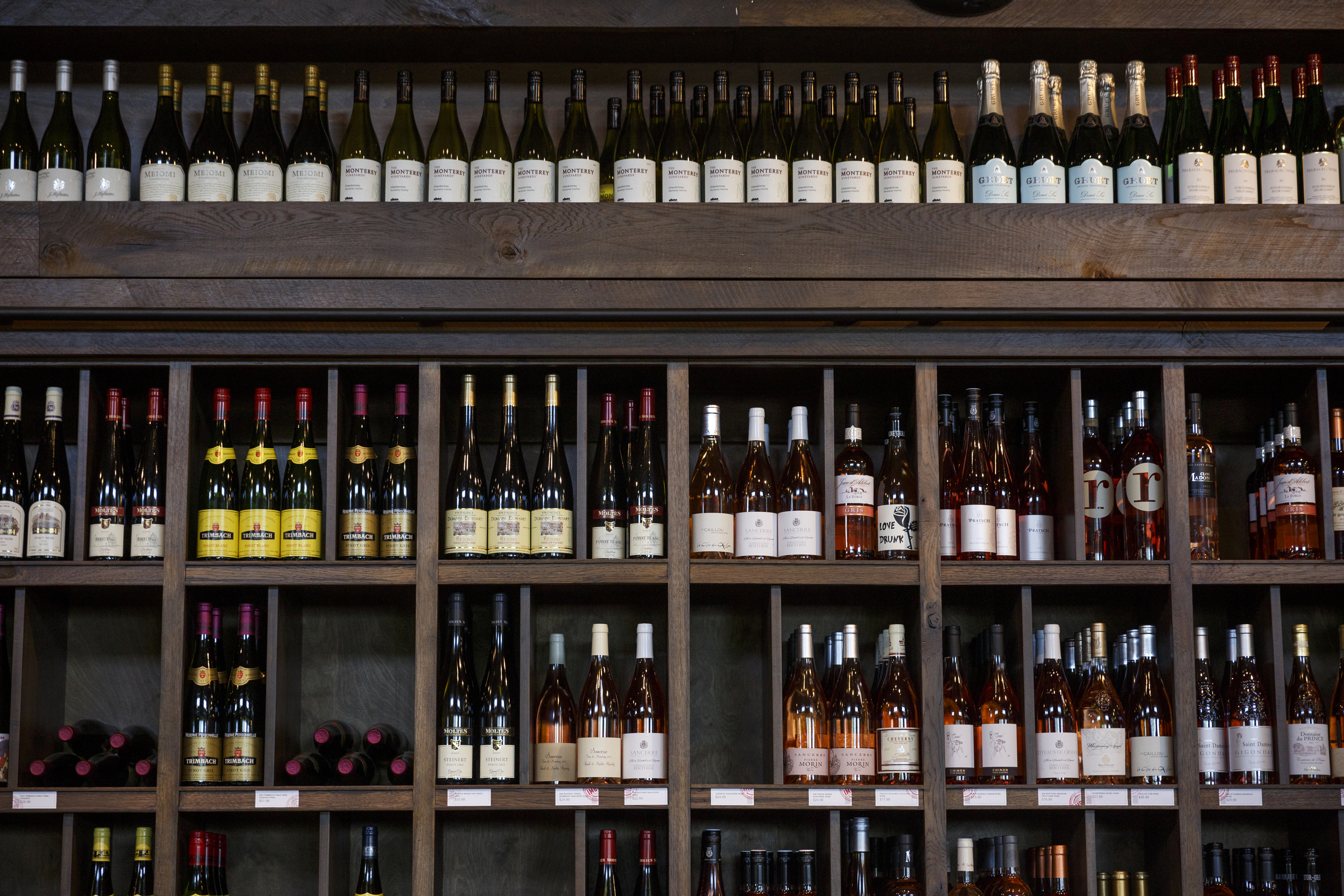
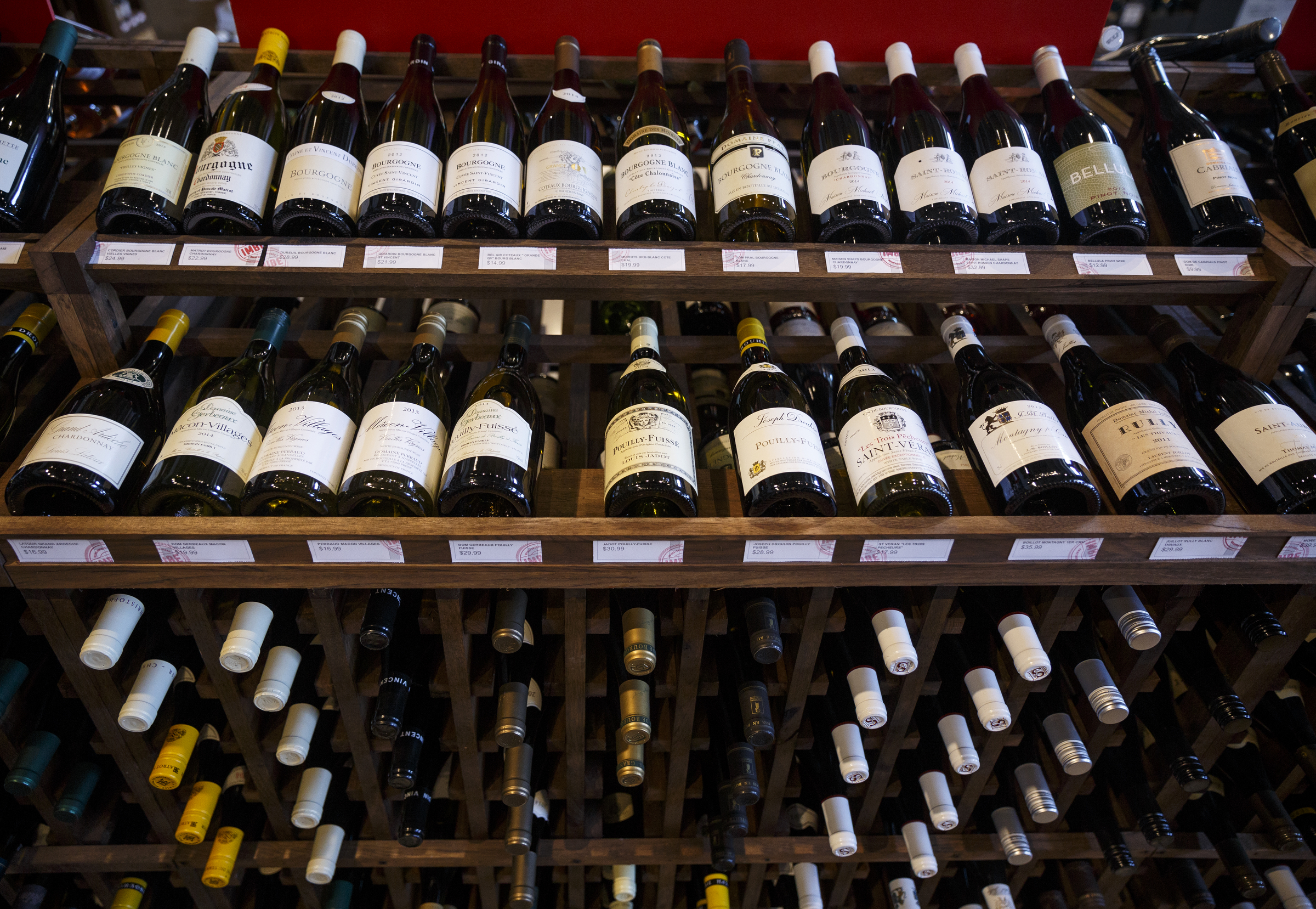
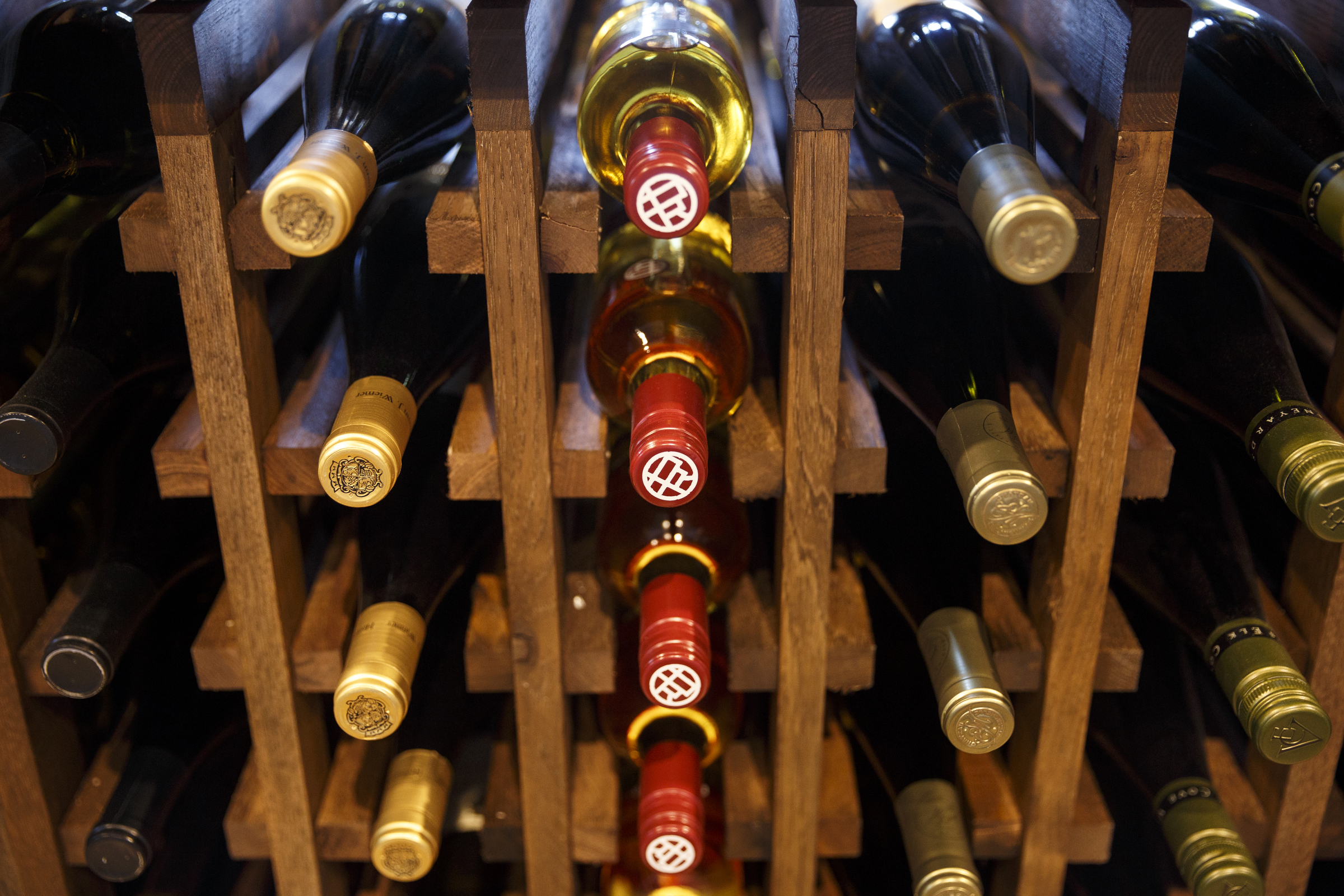
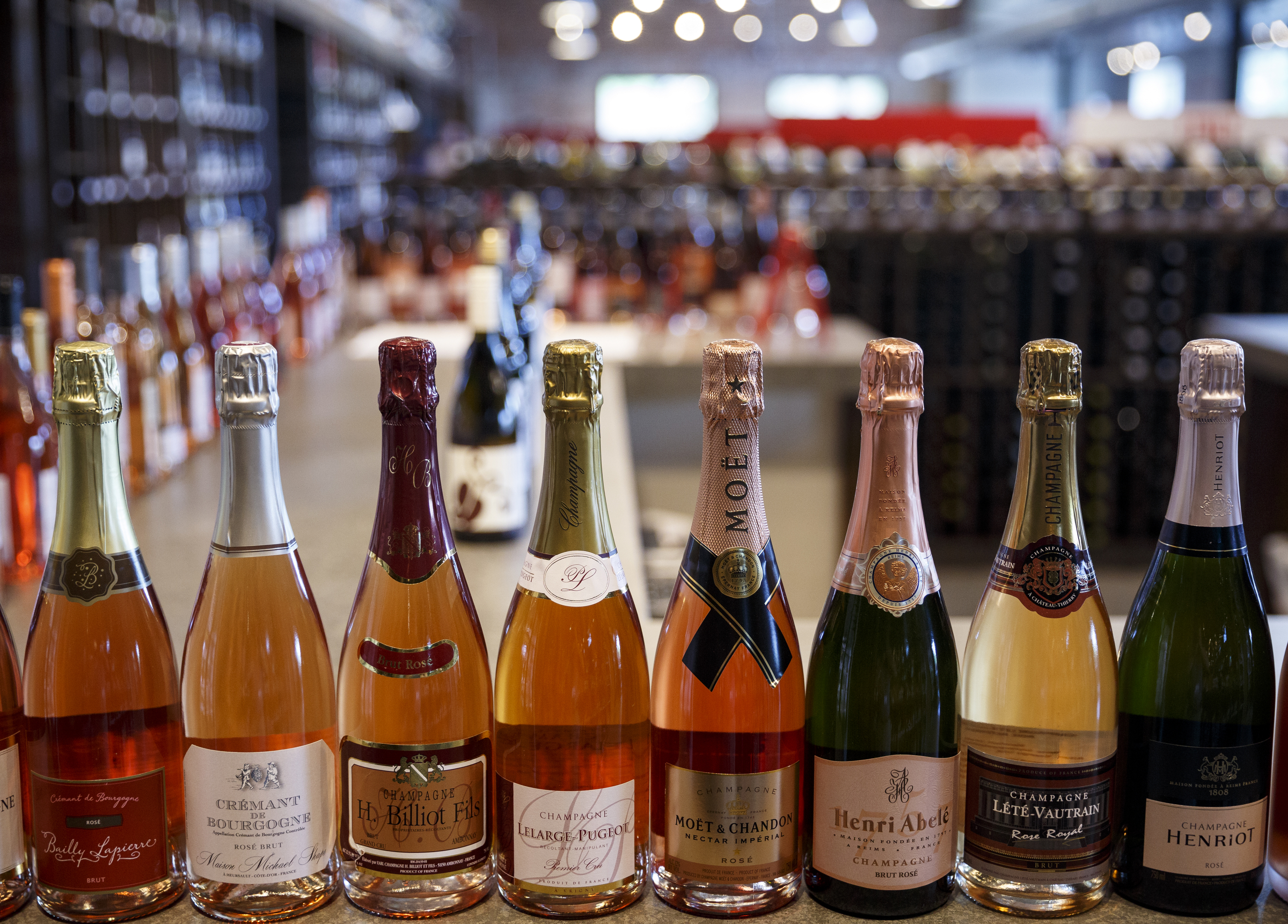
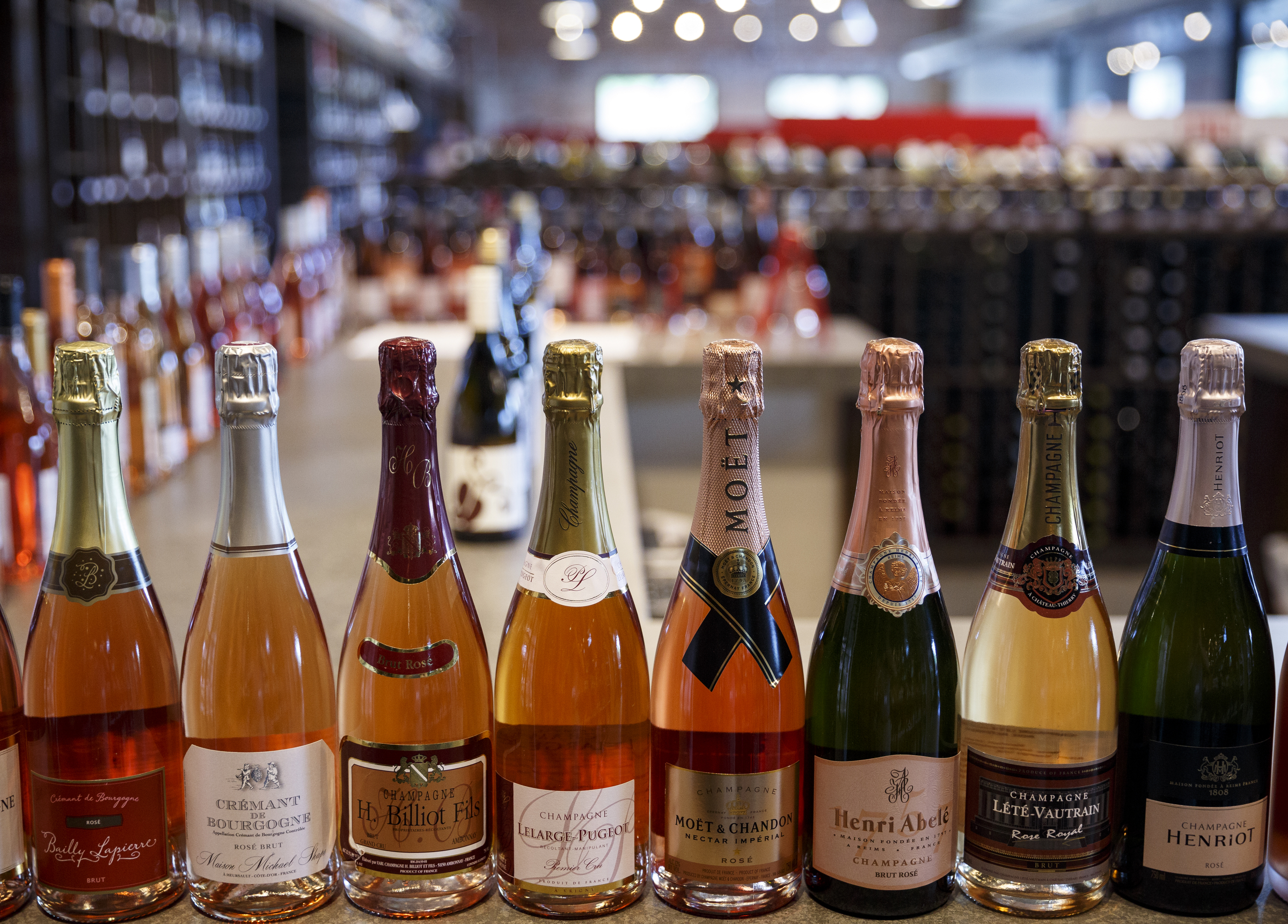 Wine bottles are displayed at Imbibe Chattanooga, a wine-focused liquor store, on Wednesday, May 25, 2016, in Chattanooga, Tenn. Beginning July 1, Tennessee grocery stores will be allowed to sell wine, but they will not be able to buy in bulk the way liquor stores can.
As Americans celebrate the Fourth of July holiday this weekend, Blazer said allowing wine to be sold in grocery stores in Tennessee reflects the best in American democracy.
Blazer said the public helped convince the Tennessee Legislature in 2014 to allow grocery stores to sell wine in communities where local voters allow such sales. In November 2014, 78 municipalities and counties across Tennessee – including Chattanooga, East Ridge and Red Bank – voted to allow local grocery outlets to begin selling wine as of July 1, 2016.
Proponents of the law, including the Tennessee Grocers & Convenience Store Association and wine-loving consumers, argued bringing wine into grocery stores is about convenience and is already legal in 37 other states. Supporters also said it could result in millions of dollars in extra tax revenue for the state, which collects more than $50 million a year in taxes on alcoholic beverages.
“This celebration is about a lot more than just being able to sell wine,” Blazer said. “It’s about living in a country that is free and is governed by and for the people and when the people speak, changes can be made.”
Critics argued wine in grocery stores could make it easier for minors to buy alcohol and that the law would destroy business for small liquor retailers.
But on Friday, Jim Winsett bought the first bottle of wine during the day’s Food City celebration, voicing support for the new law allowing grocery sales of wine.
“We’re all very pleased to see this take place and to have this level of convenience to purchase wine at a grocery store,” said Winsett, president of the Better Business Bureau in Chattanooga.
As of Friday, 459 grocery stores statewide have been approved by the Alcoholic Beverage Commission to sell wine.
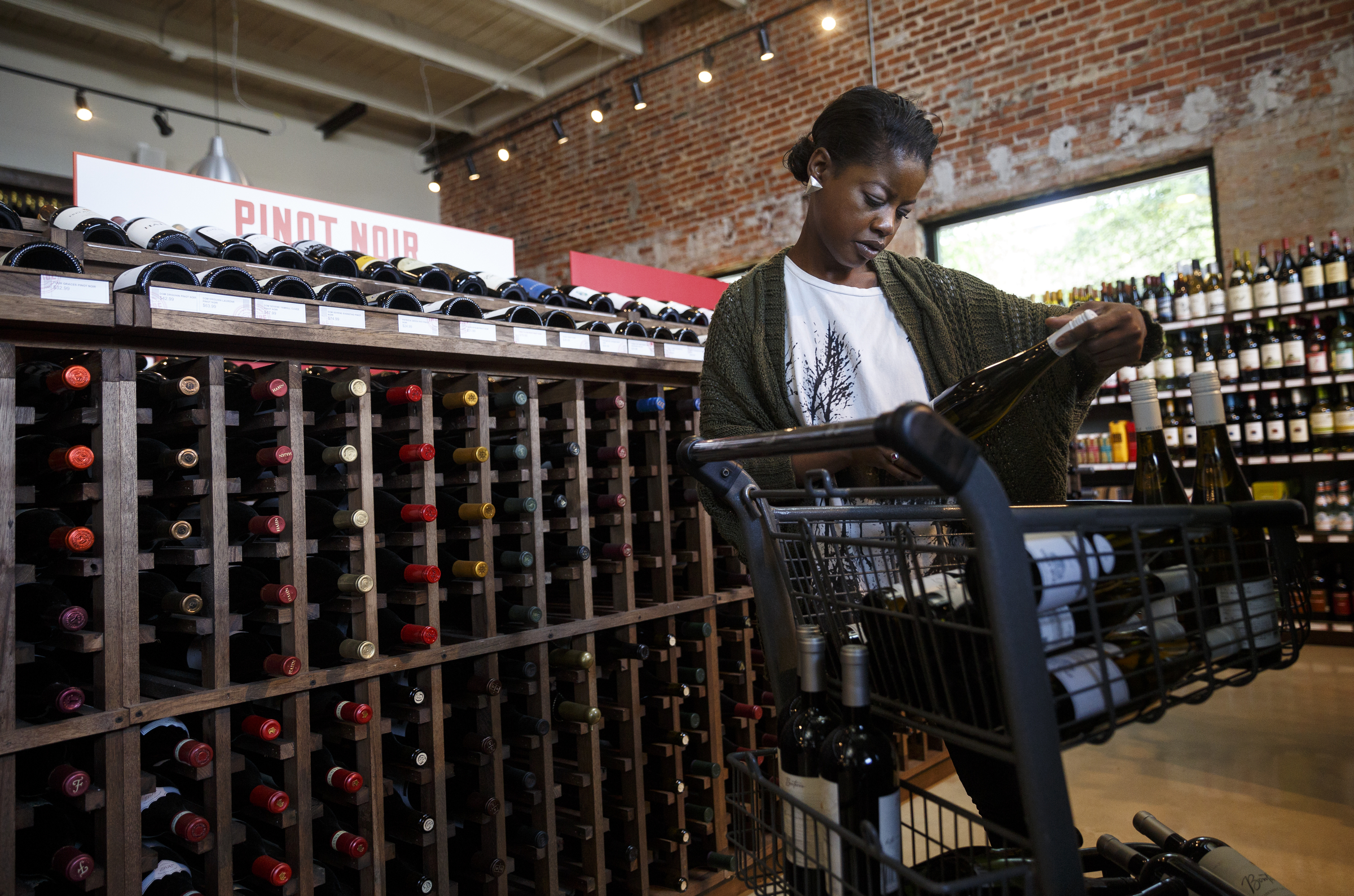
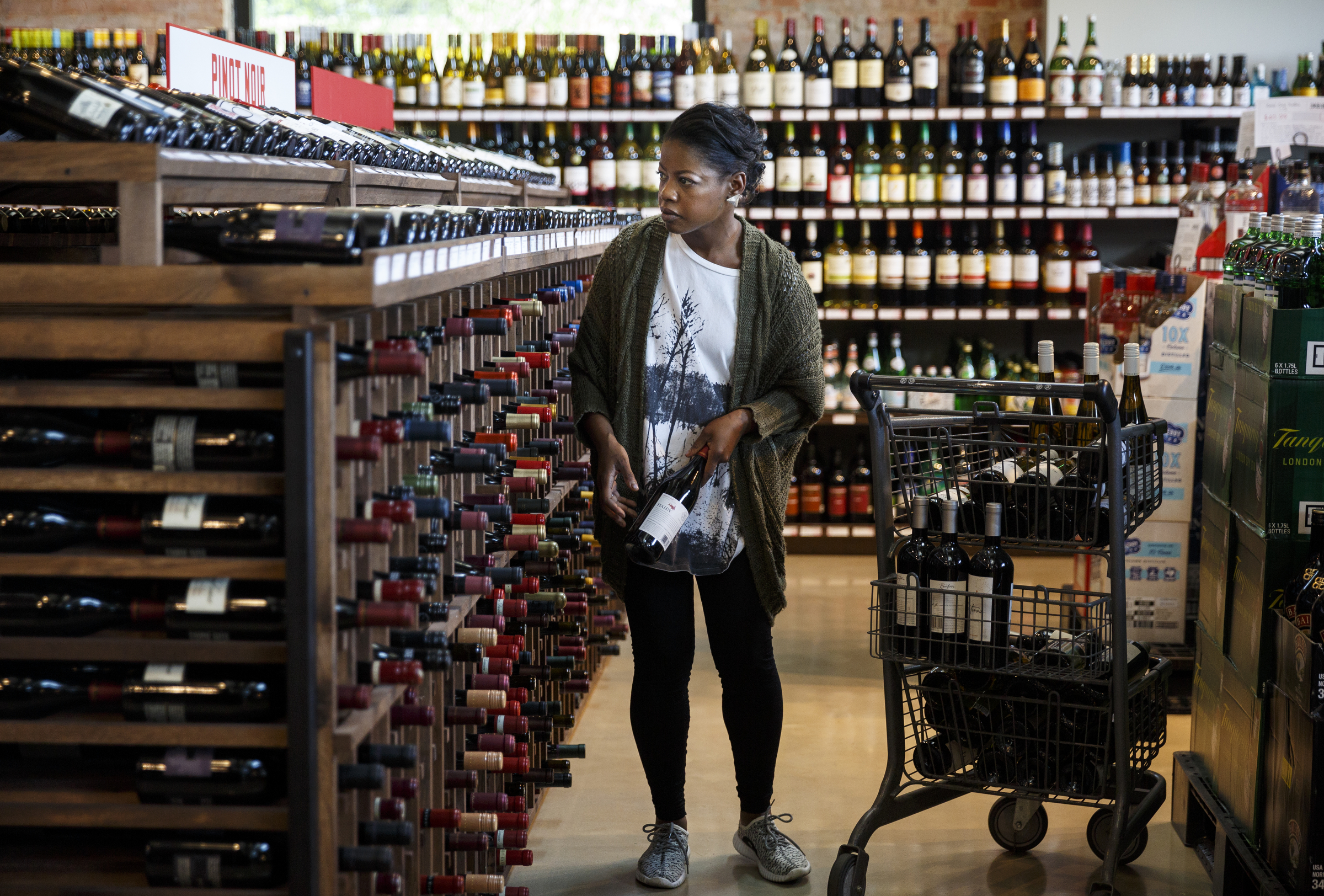

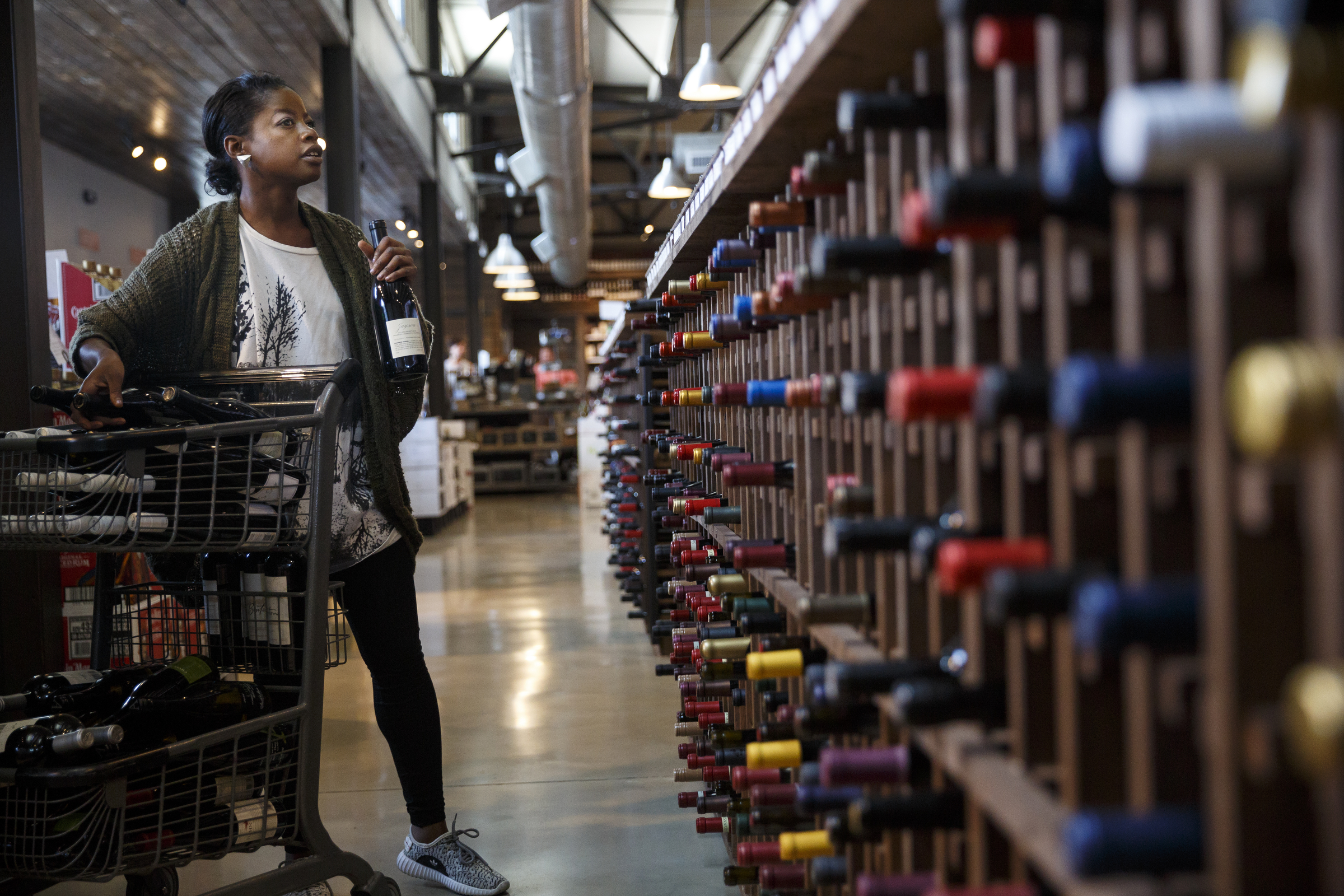
Inside Chattanooga city limits, wine is on the shelves at Food City, Publix, Wal-Mart, Sam’s Club, Fresh Market, Earth Fare and Whole Foods, all of which had permits approved by the Tennessee Alcoholic Beverage Commission.
Mara McVicker, an employee who works in the alcohol section of the St. Elmo Food City, said sales Friday morning and afternoon were good, several hours before the end of the work day when a rush of customers was expected.
“The response has seemed pretty positive,” she said. “People have been walking through looking at what we have and for what prices.”
“We had a handful of people who walked in and said, ‘Yes! Finally!'”
Rodney Thompson, a customer who was holding a bottle of pinot noir, said he welcomed the addition of wine to grocery stores, calling it one less errand to run.
“It’s just nice to have everything in one place,” he said. “I can pick up groceries and swing through this section for a decent bottle of wine, and the selection is fine.”
Jen Gregory, wine consultant in Chattanooga, said she expects public consumption and appreciation for wine to increase with wine being more readily available in grocery outlets across the state.
“This makes it much easier for people to learn about and buy wine,” she said.
Blazer said Food City has previously sold wine at its stores in Virginia and Georgia where grocery outlets have been allowed to sell wine and spirits for years.
“This is something that consumers want – they have made that very clear,” Blazer said.
The average Food City store stocking wine will have 1,100 bottle and box wines, starting for as low as three for $10 for a private label.
“We deal with a lot of different distributors and are trying to offer a variety of wines for every taste,” Blazer said.
In Tennessee, 15 Food City stores are in jurisdictions where grocery sales are not yet allowed, including Food City stores in Soddy-Daisy and Harrison.
“There will be some referendums in November and there will be some additional ones,” he said.
Wine can be sold in grocery stores from 8 a.m. to 11 p.m. Monday through Saturday. Wine can’t be sold on Sunday or on most holidays, including the Fourth of July holiday on Monday.
Staff writers Dave Flessner and Emmett Gienapp and The Tennessean contributed to this story.