
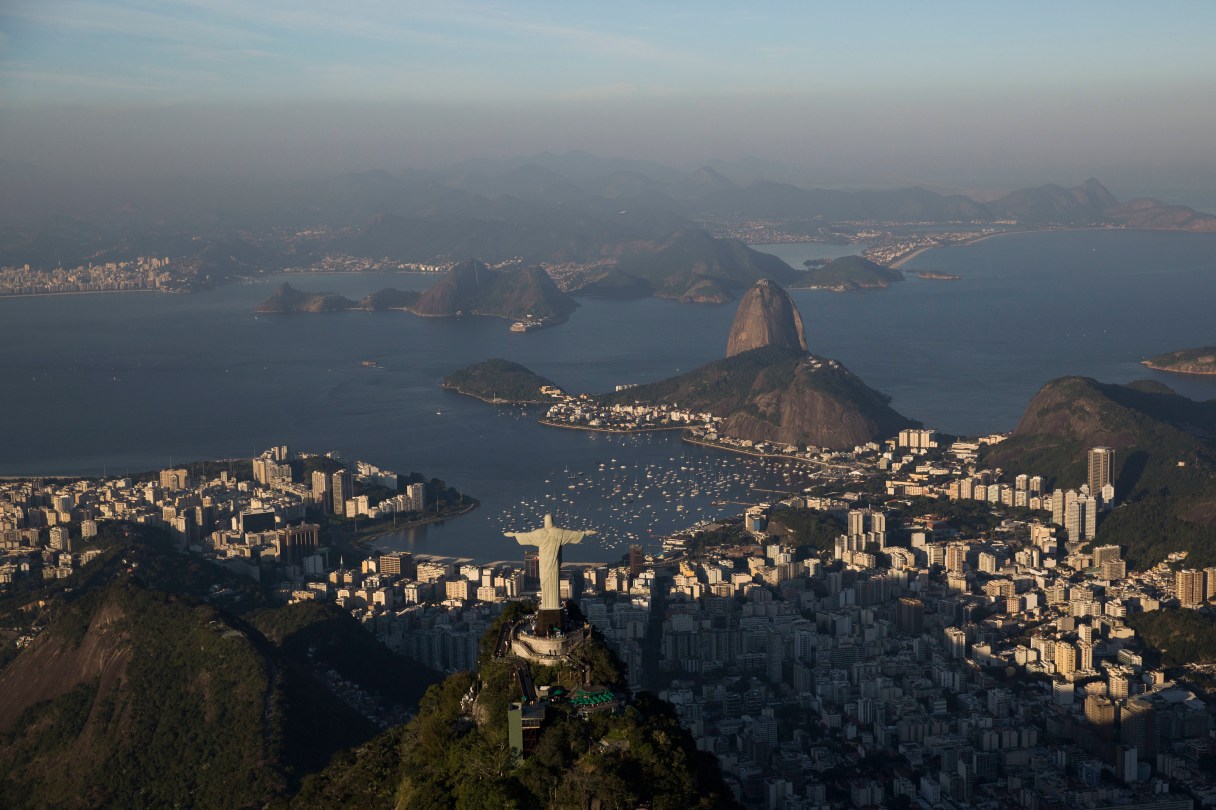
RIO DE JANEIRO (AP) – Copacabana Beach is an Olympic construction site. The beach volleyball venue is going up, broadcast studios rise on scaffolding above the sand and a mammoth tent is jammed with thousands of pricey souvenirs.
But there are few signs across town in crumbling, working-class areas that the Rio de Janeiro Olympics open in just a month.
Promises that hosting the Games would remake even Rio’s most ramshackle neighborhoods have been eclipsed by myriad problems: security threats and soaring violence, the Zika virus, slow ticket sales, and water pollution in venues for sailing, rowing and distance swimming.
Hanging over it all is the impeachment trial of President Dilma Rousseff, expected to start days after the Olympics end.
“Where I live, we don’t see changes like these,” said Julia Alves, an 18-year-old student speaking in the city’s renovated port area. She was among almost a dozen people asked by The Associated Press how the games would change the city – or individual lives – in interviews at the port, outside the Olympic Park and on the streets in a working-class neighborhood.