
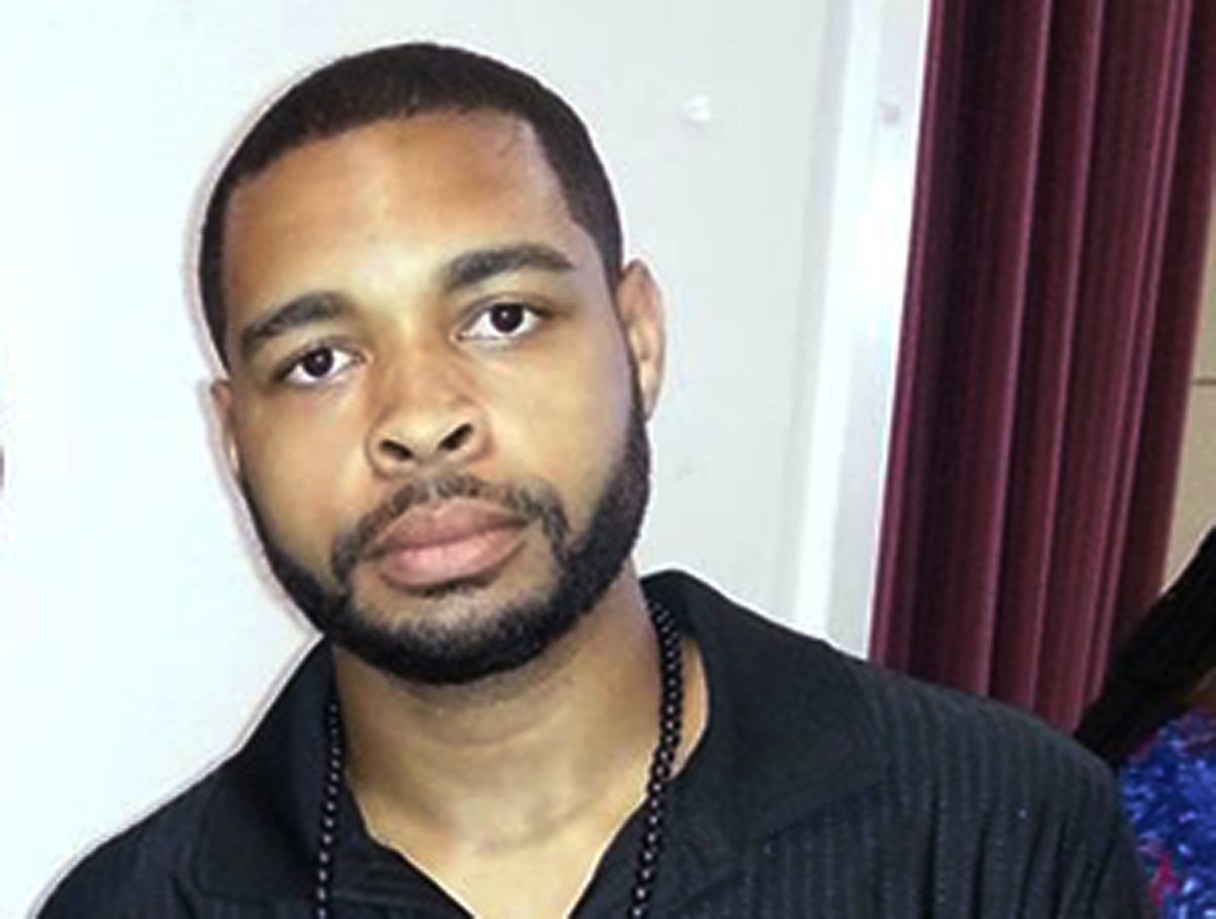




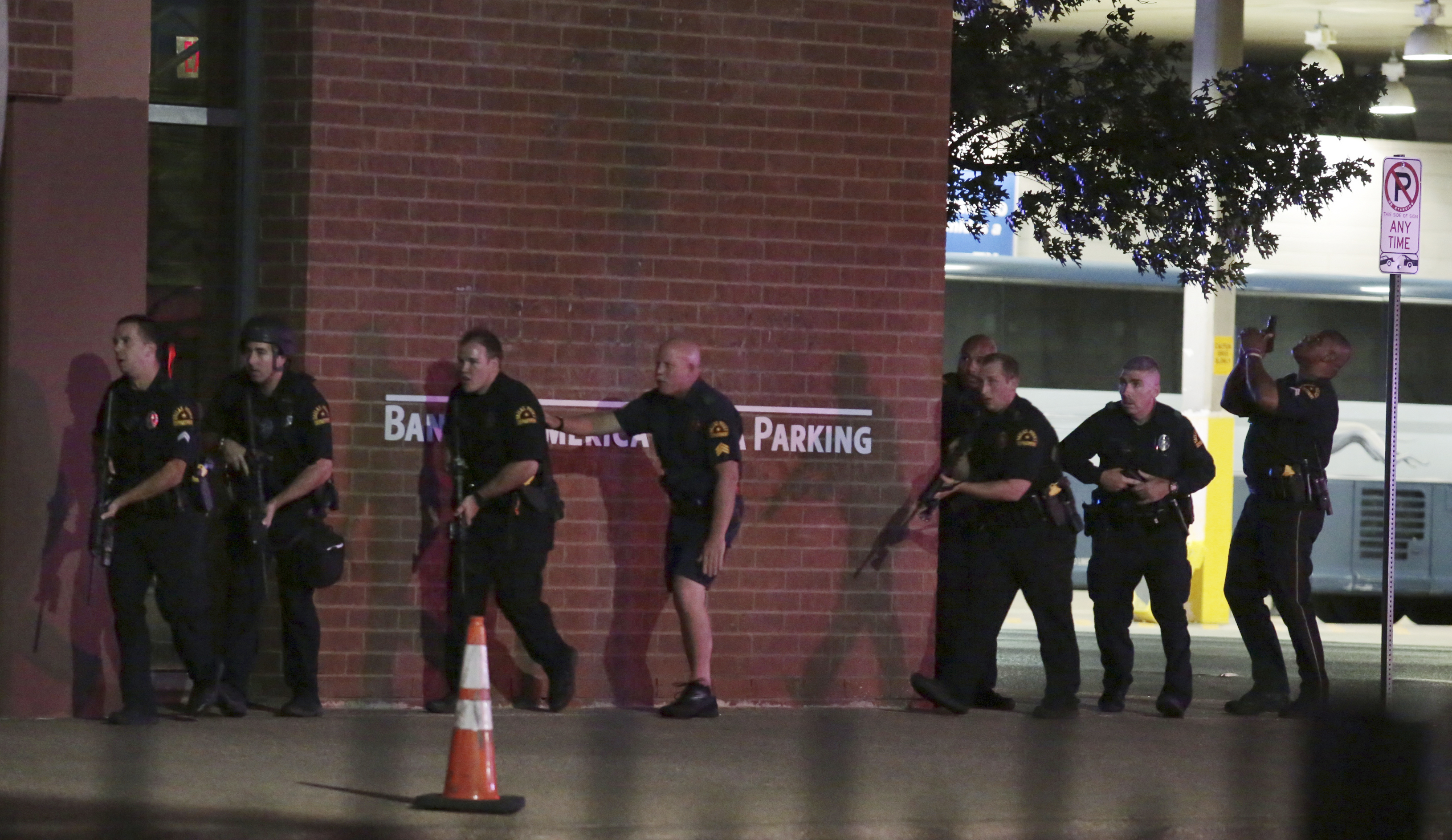
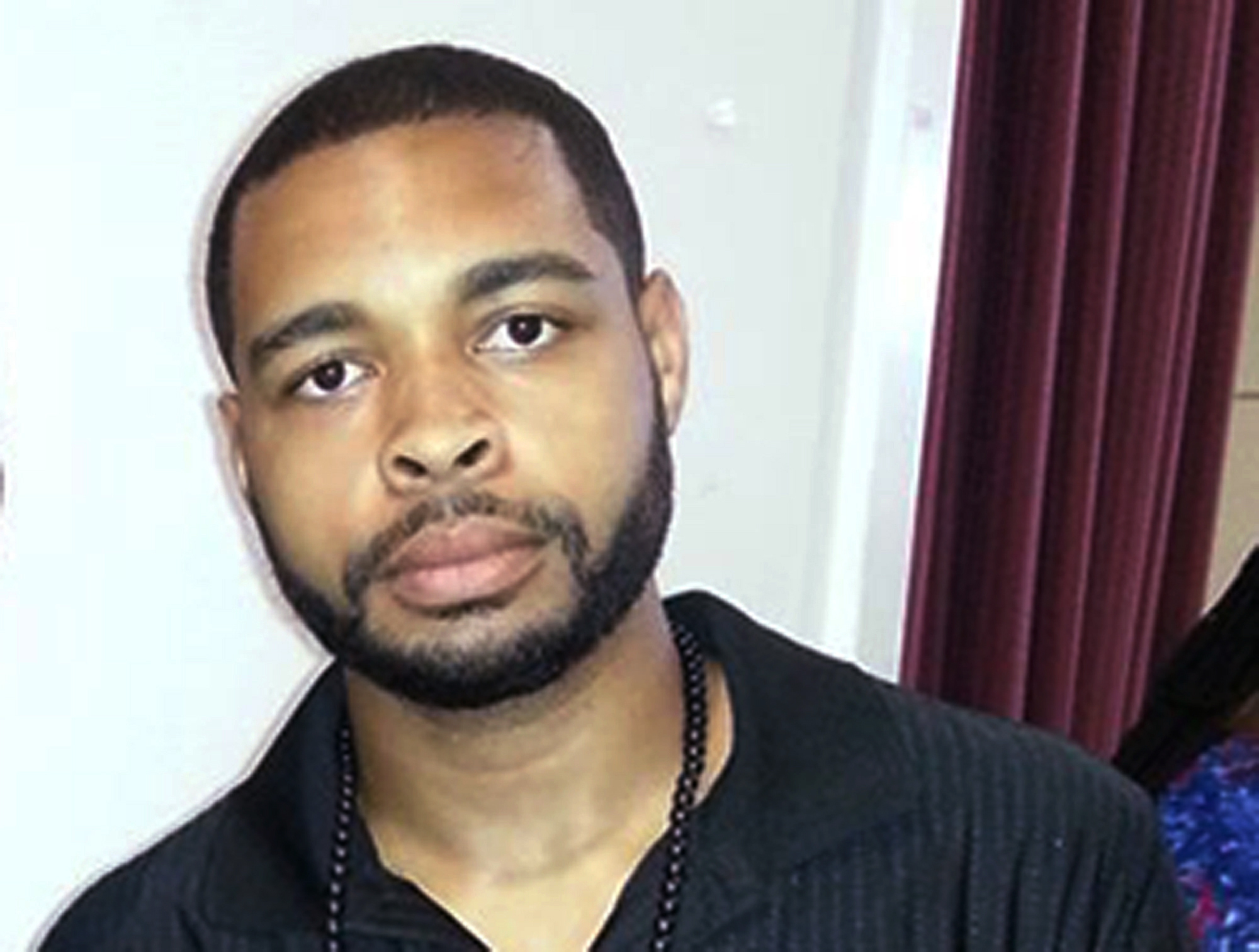
MESQUITE, Texas – The Dallas sniper had been sent home from Afghanistan after being accused of sexually harassing a female, and was described as a loner who followed black militant groups on social media.
Micah Xavier Johnson, who fatally shot five officers and wounded seven more before police killed him with a remote-controlled bomb on Friday, lived with family members in the blue-collar suburb of Mesquite, where he played basketball for hours at a time.
Friends there said the 25-year-old black man didn’t seem interested in politics, but his Facebook page suggests otherwise: He “liked” black militant groups including the African American Defense League and the New Black Panther Party, which was founded in Dallas.
His photo showed him wearing a dashiki and raising his fist over the words “Black Power,” and his cover shot carried the red, black and green Pan-African flag.
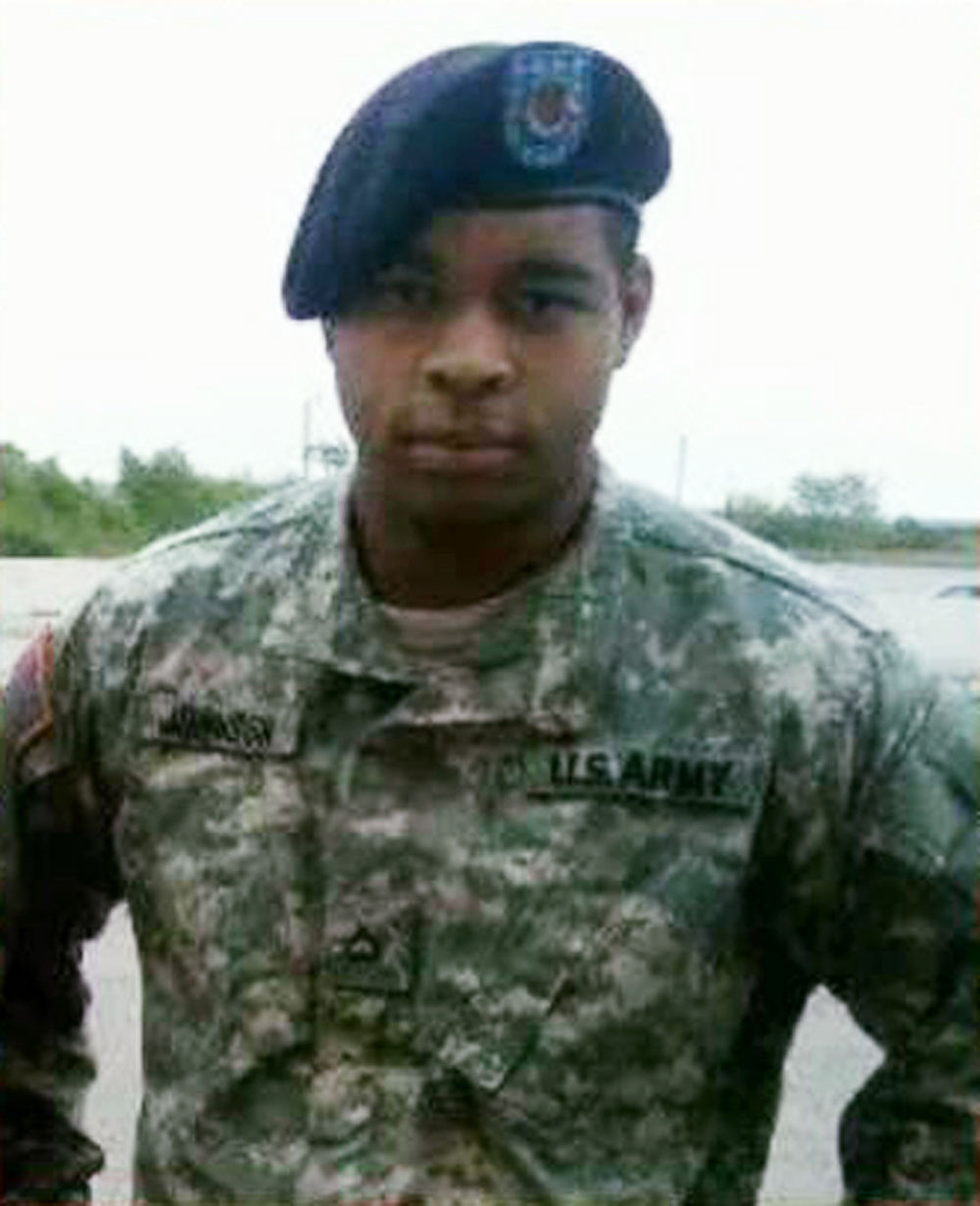
For six years starting in 2009, Johnson served in the Army Reserve as a private first class with a specialty in carpentry and masonry, the military said.