
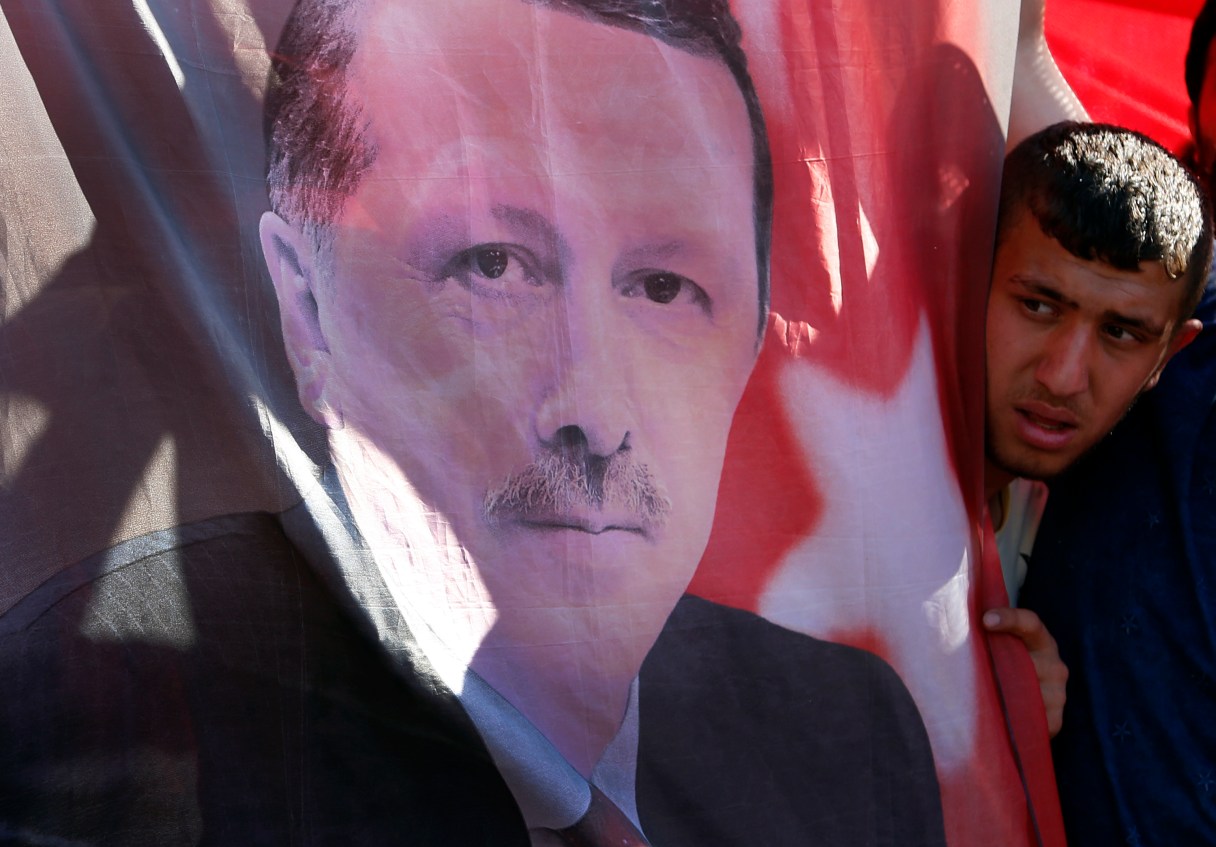
Turkey’s president, Recep Tayyip Erdogan, rose to power riding on brash populism. A former professional soccer player and ex-mayor of Istanbul, he engineered electoral landslides for a party whose pious Muslim base flouted the old secular establishment. In office for more than a decade, he has been increasingly accused of autocratic tendencies.
The failed coup attempt against him appears to have only invigorated his leadership, at least in the short term.
Erdogan suffered setbacks in the past. He was forced out of his Istanbul mayor’s post and spent four months in jail in 1999 for reading an Islamic poem that angered the staunchly secular courts of the time. But that experience only seemed to burnish his credentials as a man of the people.
He became prime minister in 2003, championing the idea of Turkey as a role model for democratic rule in Muslim countries and spurring its bid to join the European Union, a campaign that has since foundered. Over time, though, some Turks became increasingly concerned about alleged efforts by Erdogan to impose Islam on Turkish life and crackdowns on perceived opponents that raised worries about human rights backsliding and infringements on free expression.
While the coup attempt was underway, Erdogan broadcast a message of defiance from the FaceTime app on an iPhone – a tactic that later drew bemused commentary from Turks who recalled past government efforts to restrict YouTube and other social media platforms.