
Monday, November 9, 2026Nov 9

Utah Zika case raising new questions about how virus spreads

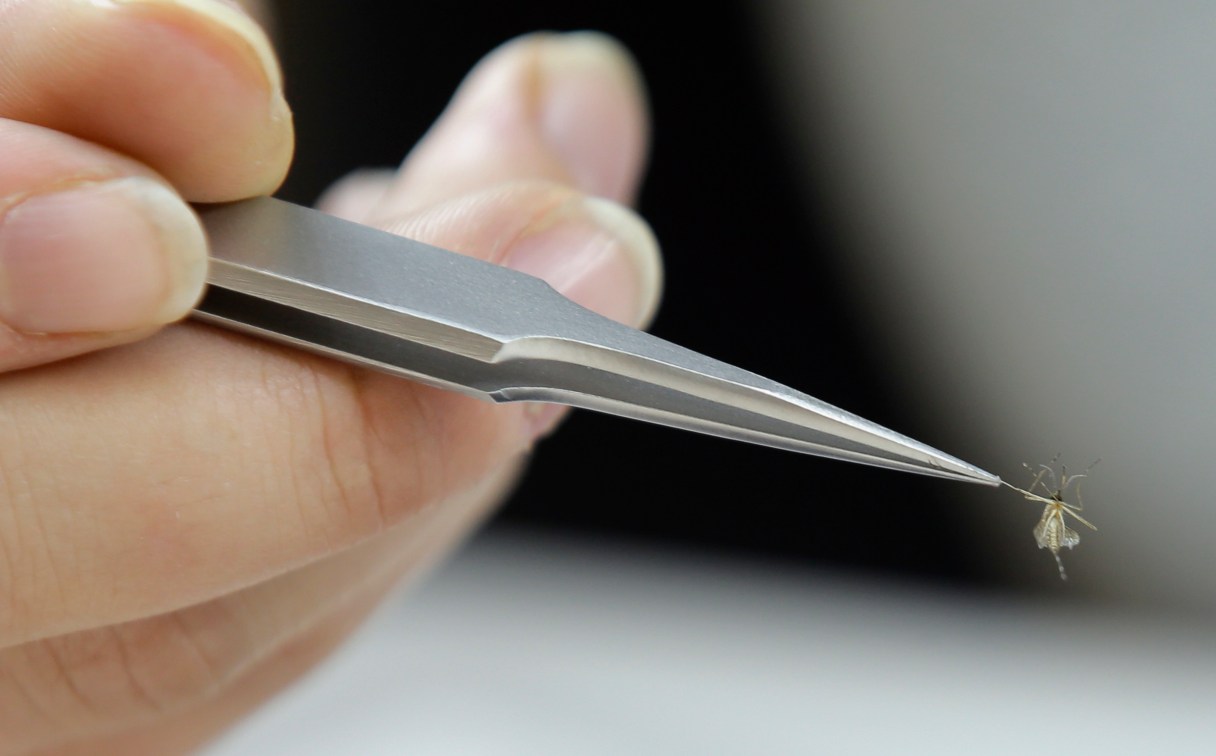
Nadja Mayerle with the Salt Lake City Mosquito Abatement District looks at a mosquito Tuesday, July 19, 2016, in Salt Lake City. Health authorities in Utah are investigating a unique case of Zika found in a person who had been caring for a relative who had an unusually high level of the virus in his blood. Exactly how the disease was transmitted is still a mystery, though the person has since recovered.  (AP Photo/Rick Bowmer)
Nadja Mayerle with the Salt Lake City Mosquito Abatement District looks at a mosquito Tuesday, July 19, 2016, in Salt Lake City. Health authorities in Utah are investigating a unique case of Zika found in a person who had been caring for a relative who had an unusually high level of the virus in his blood. Exactly how the disease was transmitted is still a mystery, though the person has since recovered. (AP Photo/Rick Bowmer) Nadja Mayerle with the Salt Lake City Mosquito Abatement District looks at a mosquito Tuesday, July 19, 2016, in Salt Lake City. Health authorities in Utah are investigating a unique case of Zika found in a person who had been caring for a relative who had an unusually high level of the virus in his blood. Exactly how the disease was transmitted is still a mystery, though the person has since recovered. (AP Photo/Rick Bowmer)

SALT LAKE CITY (AP) – The case of a Utah man who contracted the Zika virus after caring for his infected father raised new questions for health experts who said Tuesday that the investigation could guide new research into the way the disease spreads.

The inquiry into the two infections could shed light on the medical mystery surrounding a virus that’s still stumping doctors. Zika is typically transmitted through the bite of a tropical mosquito that is not usually present in cold, mountainous Utah and also has been transmitted sexually.

The blood of the older man, who later died, contained an extremely large amount of the virus, which could mean high levels also were present in his saliva and urine, said Dr. William Schaffner, an infectious disease specialist at the Vanderbilt University School of Medicine in Nashville.

Zika has spread through blood at least once in a lab and could have passed to the son through saliva or blood if he had a small cut or scrape on his hand, Schaffner said. That type of transmission would be unusual for a virus of its kind, but the discovery that Zika can be spread through sex also was a surprise to scientists.

“The more we learn about Zika, the more nasty the virus appears,” Schaffner said.