
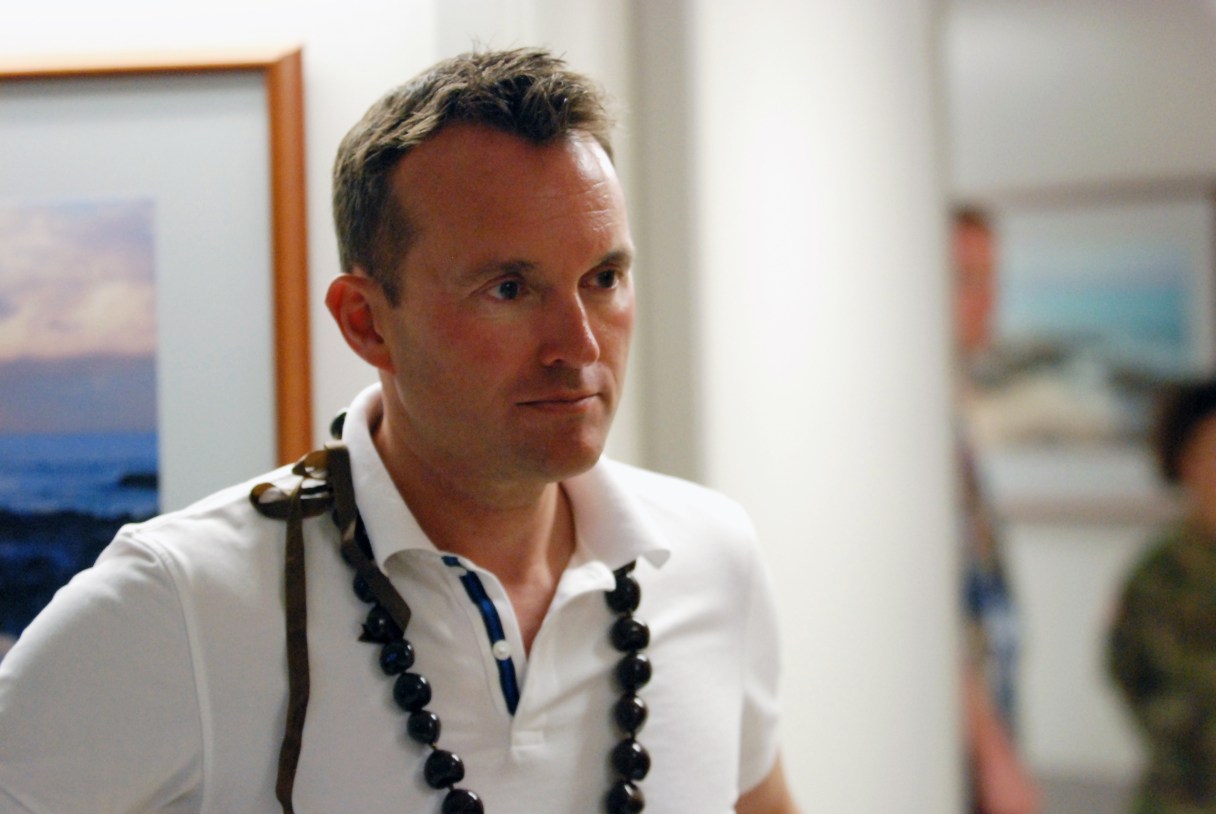
HONOLULU (AP) – Army Secretary Eric Fanning says the Army is paying more attention to behavioral health and making sure anyone who’s injured while defending the nation gets the treatment they need.
The Army and other military branches are conducting research into how military deployment affects anger, and they are encouraging mental health treatment before deployment to mitigate the effects of anger after soldiers return, he said.
“There’s a tremendous amount of research the Army’s been doing, the military’s been doing,” Fanning said. “It’s clear we have a lot of work left to do.”
Fanning told The Associated Press on Wednesday he’s concerned that two recent mass shootings involved military veterans, but he said the research doesn’t show any cause and effect between military service and what happens after soldiers leave the armed forces.
Earlier this month, Army reservist Micah Johnson shot and killed five Dallas police officers at a rally protesting the deaths of two black men by white police officers. Also in July, Gavin Long, a former Marine and Iraq war veteran, killed three law enforcement officers in Louisiana. Long’s mother has told the PBS TV network that he had post-traumatic stress disorder.