
Monday, November 16, 2026Nov 16

Zika mosquito: thrives in hot weather, hard to wipe out

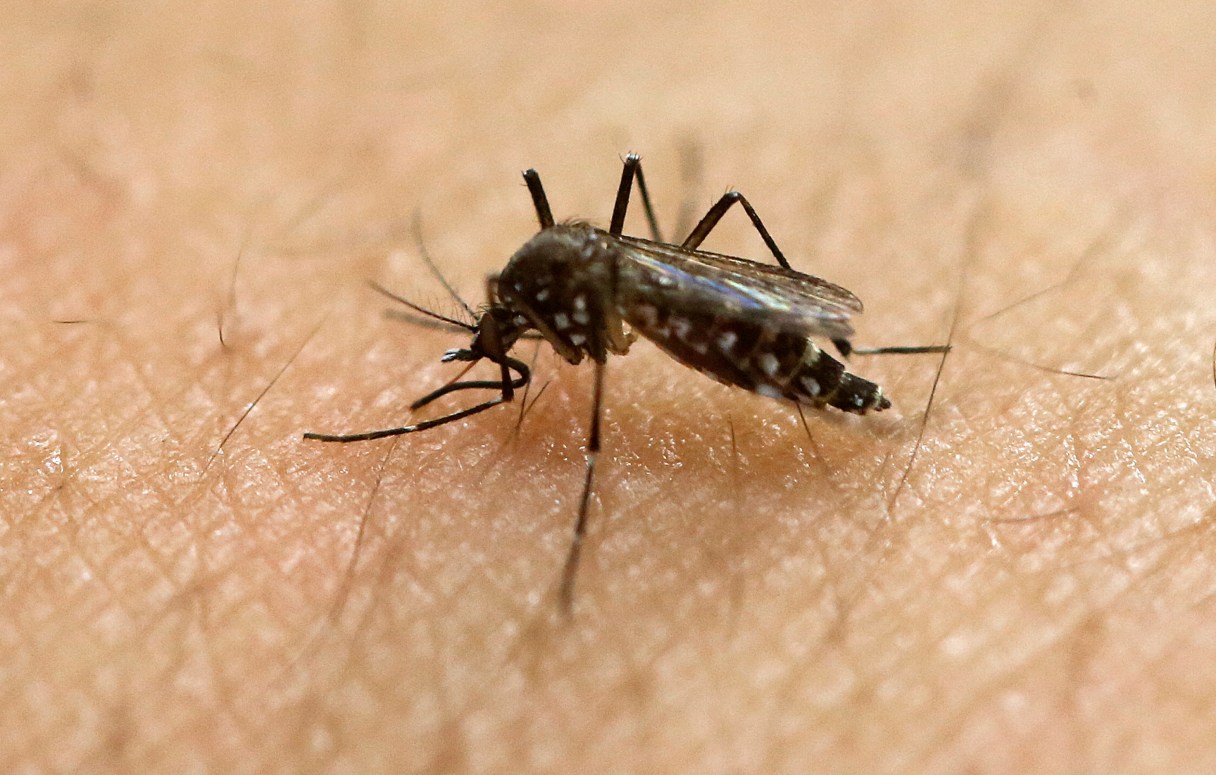
FILE - In this Jan. 18, 2016, file photo, a female Aedes aegypti mosquito acquires a blood meal on the arm of a researcher at the Biomedical Sciences Institute in the Sao Paulo's University in Sao Paulo, Brazil. The Aedes aegypti mosquito is behind the large outbreaks of Zika virus in Latin America and the Caribbean. On Friday, July 29, 2016, Florida said four Zika infections in the Miami area are likely the first caused by mosquito bites in the continental U.S. All previous U.S. cases have been linked to outbreak countries. (AP Photo/Andre Penner, File)

Behind the spread of the Zika virus is a tiny menace that just won’t go away.

It’s called the Aedes aegypti (AYE’-dees uh-GYP’-tie), a species of mosquito that has played a villainous role in public health history and defeated attempts to wipe it out.

The mosquito is behind the large outbreaks of Zika virus in Latin America and the Caribbean. On Friday, Florida said four Zika infections in the Miami area are likely the first caused by mosquito bites in the continental U.S. All previous U.S. cases have been linked to outbreak countries.

Five things to know about the bug:

FIRST IN AFRICA