
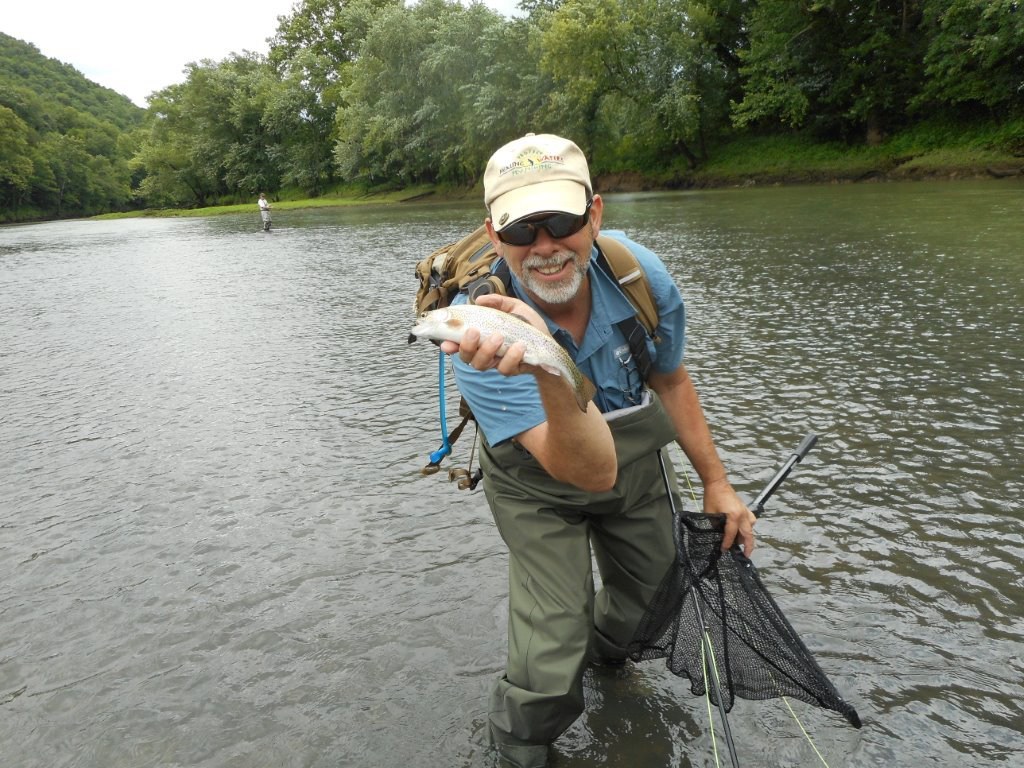
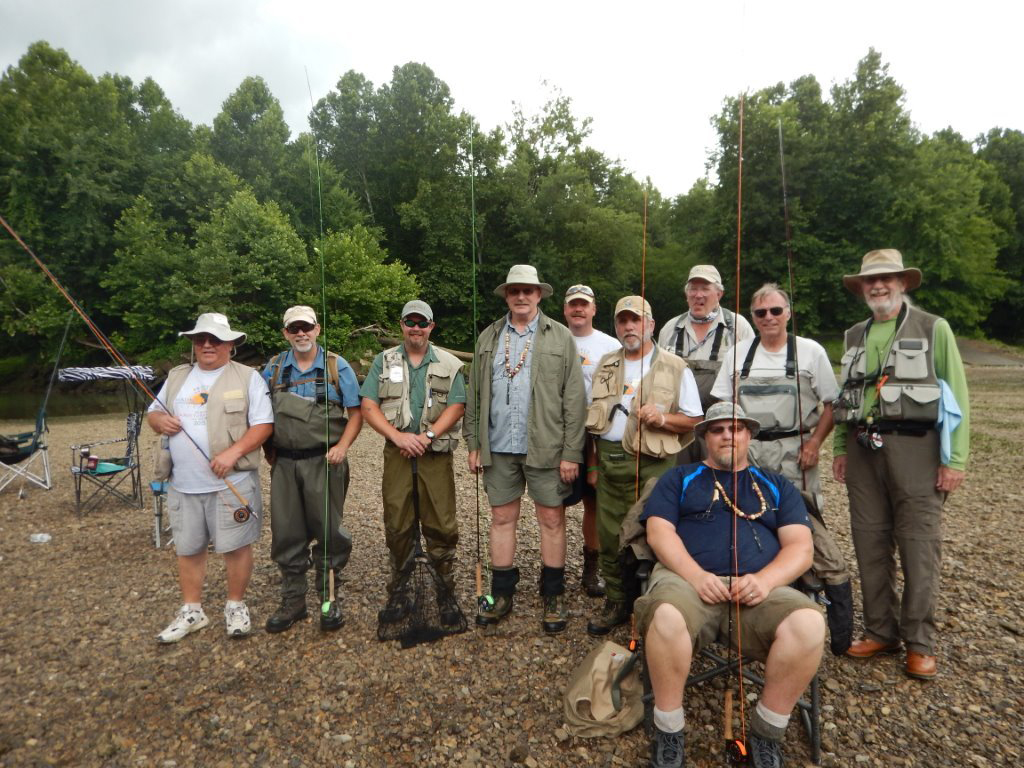
 While much of what Project Healing Waters does is off the water in meeting halls, the occasional fishing trip is a highlight for the volunteers and veterans alike. “Really, all the other aspects of the meetings build up to actually catching some fish,” says Ross Schweinforth, Chattanooga’s program lead. He’s pictured here on the far right.
Free Fishing
Looking for an opportunity to head out on the water with no strings attached? On June 11, the state of Tennessee is holding its annual Free Fishing Day, meaning all fishing in the state is free on public waters.
The healing power of water is a common theme throughout fiction, but for Ross Schweinforth of Project Healing Waters Fly Fishing, it’s much more than stories. It’s real.
Project Healing Waters is a national program started in 2005 at the Walter Reed Medical Center by retired Navy Capt. Ed Nicholson. Envisioned as a unique recreational therapy opportunity for veterans of the Iraq and Afghanistan wars, it has grown into a nationally renowned organization that strives for the benefit and rehabilitation of America’s veterans.
Veterans across generations have come together through Project Healing Waters to learn the sport of fly fishing. They end up finding solace not just in the simple act of fishing, but in each other.
“There’s a tremendous amount of healing that happens in these communities,” says Dan Morgan, Project Healing Waters’ national director of communications. “Bringing eras together to share experiences helps create a very strong support structure.”
The Chattanooga branch of PHW has been around since 2013, and PHW’s Tennessee Deputy Regional Director Steve Thompson says the benefits have been overwhelming for those who have participated.
“The cost of war isn’t the price of bullets, it’s the state of these soldiers,” he says, adding, “For the general public, most don’t recognize disabled veterans unless they’re in a wheelchair. Most vets we deal with don’t look disabled in any way.”
PHW’s local branches hold instructional meetings on tying flies, the ins and outs of fly fishing and head out on regular fishing trips to give the veterans an opportunity to use what they’ve learned. PHW provides all the equipment necessary so the folks they’re trying to help don’t need to shell out for gear for a trip.
Schweinforth, Chattanooga’s program lead, reiterates that the big outings are only a small part of the healing process.
“Teaching them something unique and letting people build up relationships that’s the meat and potatoes of what we do,” he says. “We’re not a storytelling organization; we don’t ask vets about their story or anything. They don’t need to explain anything, we’re just here to teach them about this great sport. I think they really appreciate that.”
Being a veteran isn’t required to volunteer with the organization. For more information about volunteer opportunities with PHW here in Chattanooga, contact Ross Schweinforth at 423-618-8656 or ross.phwff@gmail.com.