
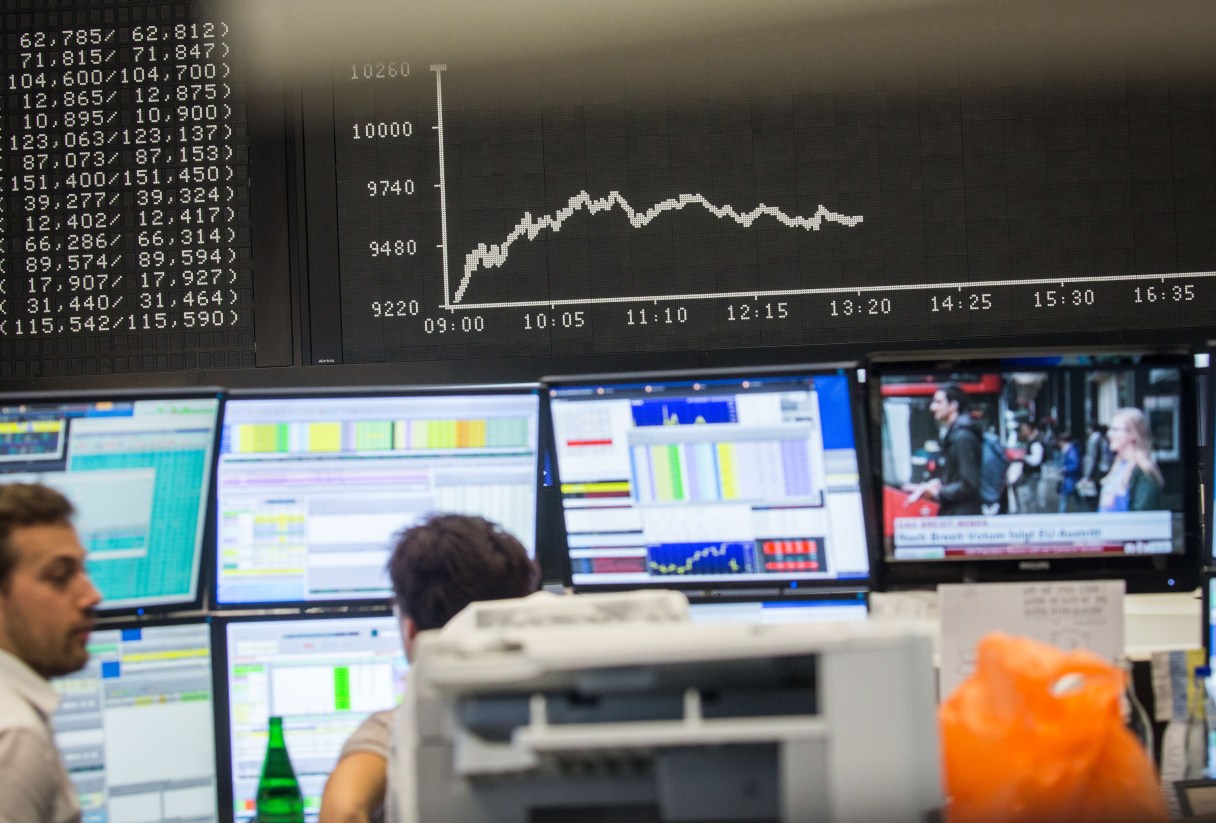
FRANKFURT, Germany (AP) – Britain’s vote to leave the European Union adds a heavy dose of uncertainty to a world economy that is still struggling to reach full speed years after the global financial crisis.
The most immediate pain will be felt in Britain. But economists say the ripples could be felt much farther afield.
Companies will wonder whether to invest or locate in Britain during the yearslong negotiations to define new trade conditions with the EU, its biggest business partner. Across Europe, trade and immigration may lose ground to nationalism and protectionism.
The EU itself, minus market-oriented Britain, may turn to more government intervention and regulation. Other countries may eventually seek to leave the bloc.
“A new set of economic circumstances has been created, which the world will have to deal with,” said India’s Finance Minister Arun Jaitley. “Volatility is the new norm. And therefore, economies have to learn to live with crisis after crisis.”