
Coming Up
The TNACI is closing in on its 20th anniversary, and will be opening a new riverfront facility in September to better study the health of our water and wildlife. Soon after, the annual Tennessee River Rescue will take place to help clean up Chattanooga’s most famous river. To learn more or get involved with the cleanup, visit tennesseeriverrescue.org.
Responsibility on the Water
Everyone out on the water has a duty to preserve the fishing habitat for everyone else around them, and for those in the future. Fishing is a great sport and hobby, but can quickly sour if your favorite spot’s population dries up from the irresponsible actions of other anglers. Nothing on this list is particularly hard, but it all goes a long way to making sure our local lakes and rivers are sustainable for future fishermen.Never dispose of anything into the water: This may seem like a “duh” suggestion, but the amount of trash in America’s lakes and rivers is staggering. In 2015, the National River Cleanup organized over 1,000 river cleanups around the country and removed 2 million pounds of trash. It’s simple: Don’t toss anything into the water, and if you see any trash, do your part and pick it up.Be wary of monofilament fishing line: Monofilament is made from a single strand of plastic, and is extremely common. However, when it breaks, it can lead to serious issues for fish and other local wildlife. Multifilament fishing line is more expensive, so if you opt for monofilament, just be sure to collect any line that breaks or that you see on the shore.Retrieve all your lures: Inevitably you’ll cast and your line will get hung up and caught on something. When that happens, retrieving it will not only keep you from losing your lure, but will also ensure no wildlife gets snared by it.Consider using barbless hooks, and avoid J-hooks if you are fishing for sport: J-hooks are much more likely to gut-hook the fish, meaning it has hooked the fish deep in its gullet, making it difficult or impossible to retrieve. Barbless hooks ensure that when you catch a fish, the hook is easily removed, which increases survivability for the fish after release. Also, if a fish is hooked deep in its mouth, try cutting the hook instead of removing it.Avoid lead sinkers: Lead is a highly toxic contaminant in any water supply, and lost or discarded lead sinkers accumulate over time to decrease the quality of the water.Handle your fish with care, and release them quickly: If possible, remove your hook while the fish is in the water to keep the fish breathing. Also, try to avoid touching the fish’s gills; this can create respiratory issues for them after release— Chris Loizeaux
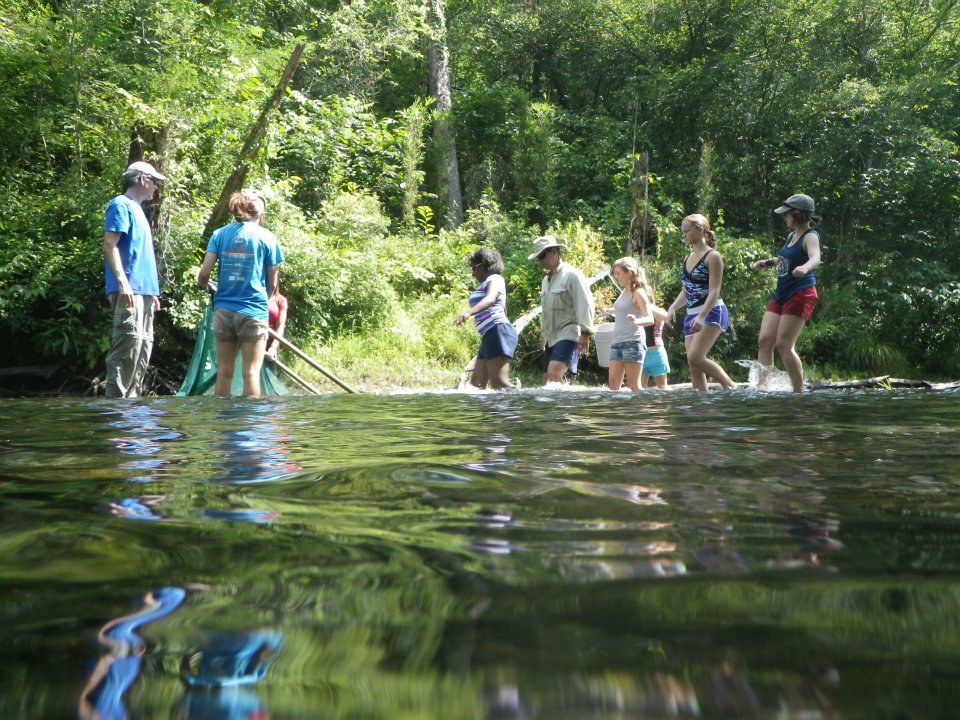
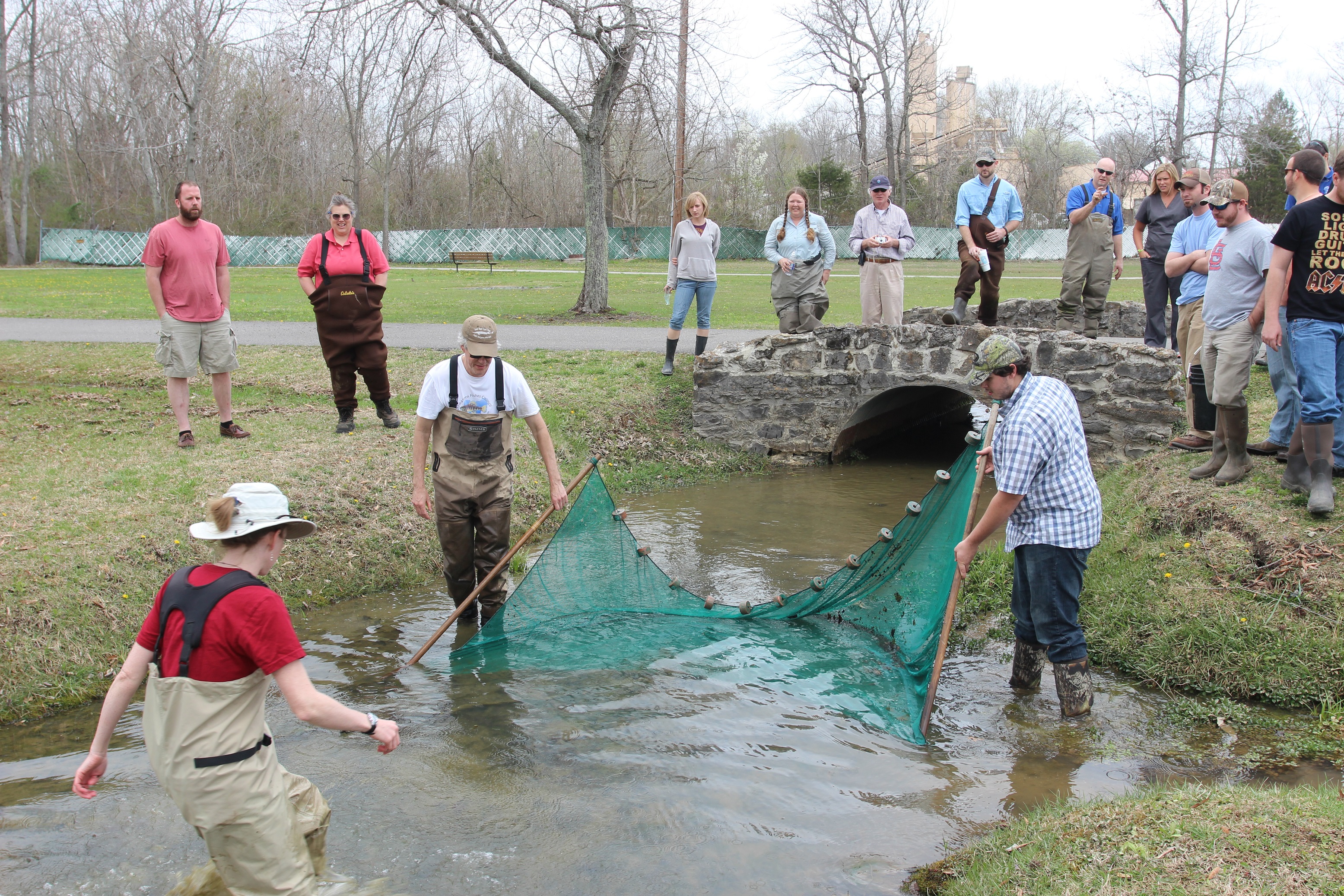
The Tennessee Aquarium doesn’t house and protect just the fish and wildlife behind the glass in its exhibits. For years, the aquarium has funded the Tennessee Aquarium Conservation Institute, which has been at the forefront and worked behind the scenes to help preserve and protect the aquatic environments present in Tennessee and throughout the Southeast.
The institute’s current director, Dr. Anna George, is a biologist with a Ph.D with a focus on ichthyology who is doubling down on the institute’s efforts to protect the nearly 320 unique fish species living in the waters of Tennessee.
“The Southeast is an amazing place. We have an underwater rainforest with species that are only found here, nowhere else in the world,” says George.
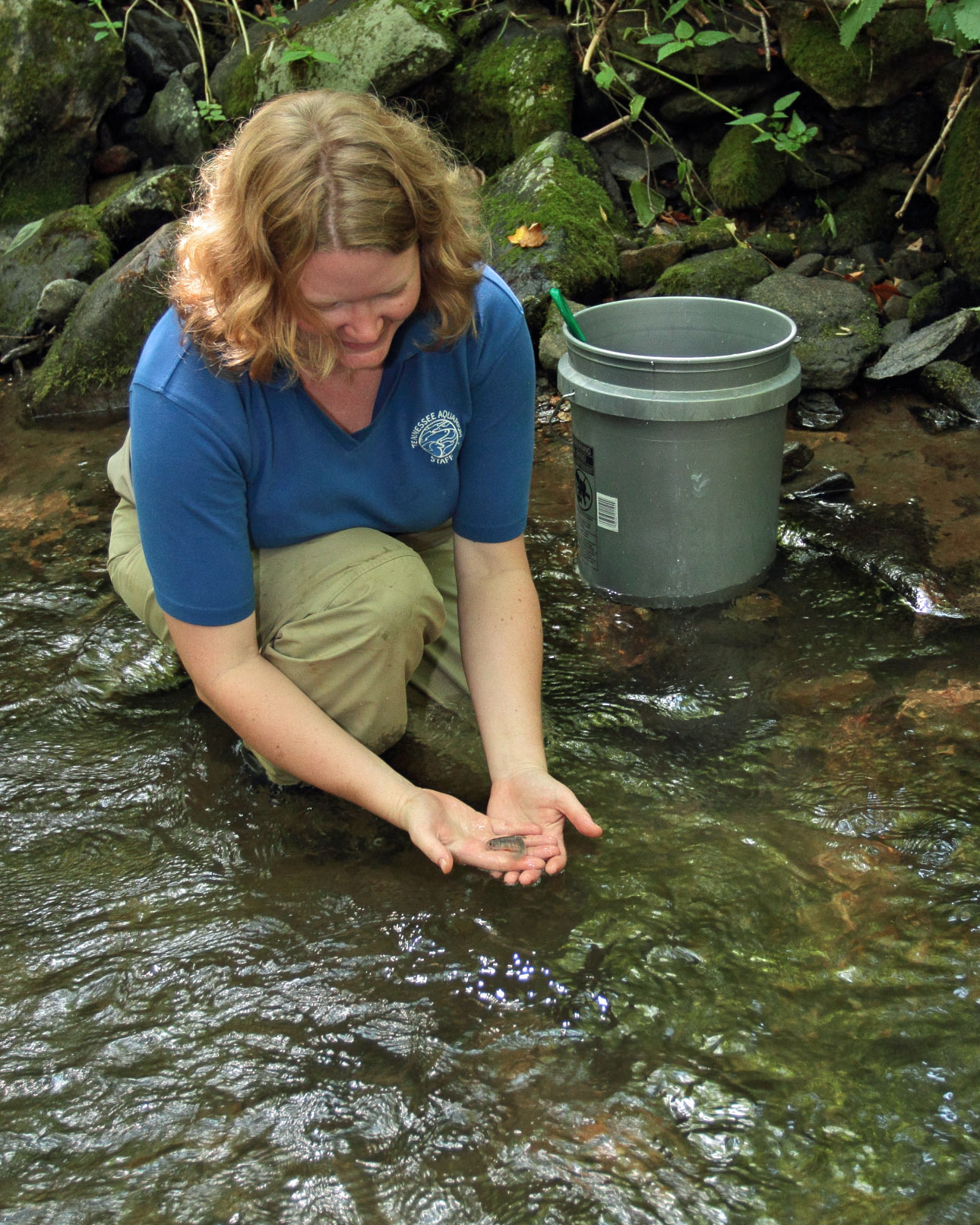
While many of the species the TNACI aims to protect are small minnows, aquatic snails and other out-of-sight creatures, George says the health of our waters is dependent on everything in them, no matter how small.
“We’re drawn to diversity, I think, and that’s what these species provide. You never know what services the animals are providing to the environment,” she says. “The South has a national heritage with these species, and people overlook that a lot.”
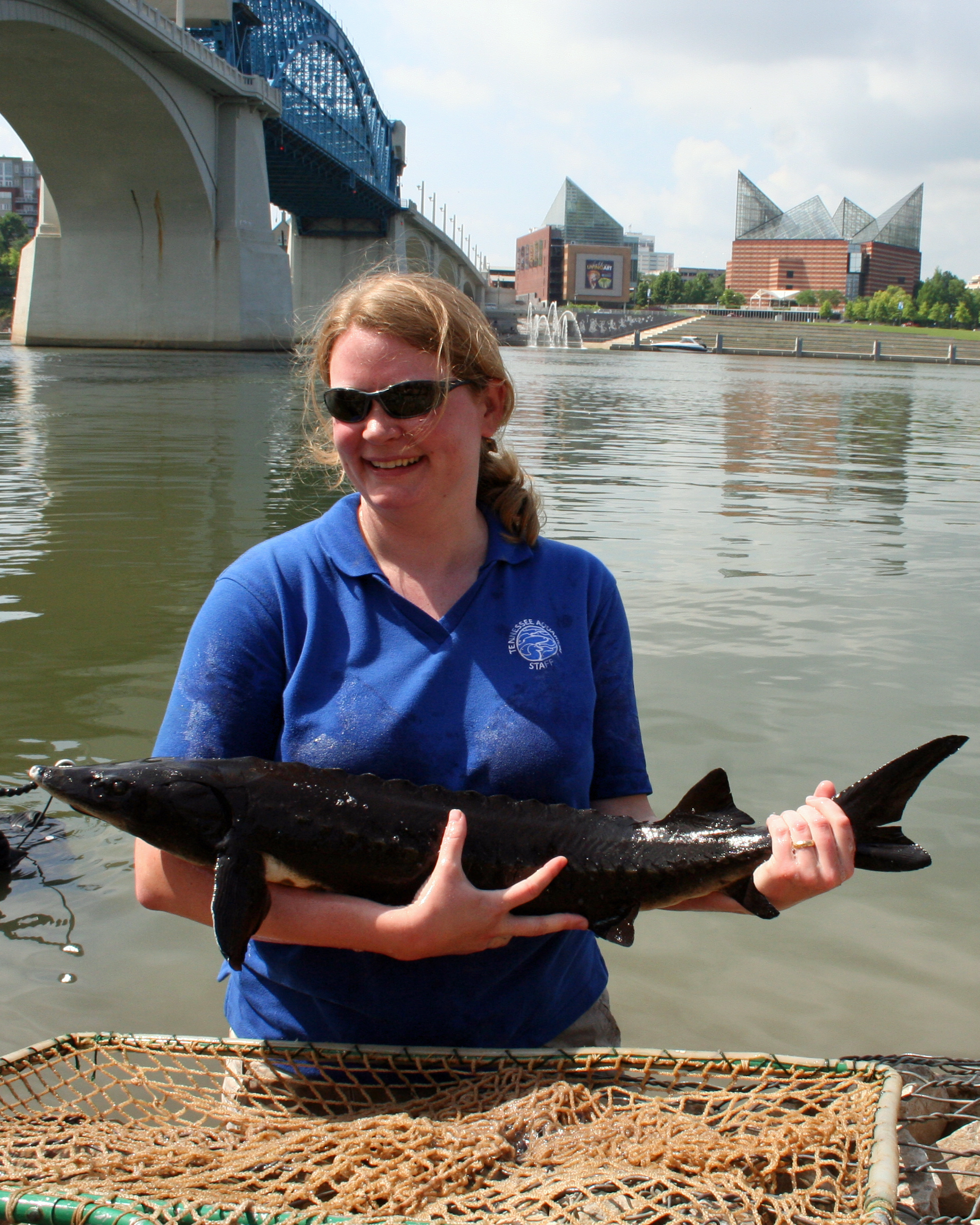
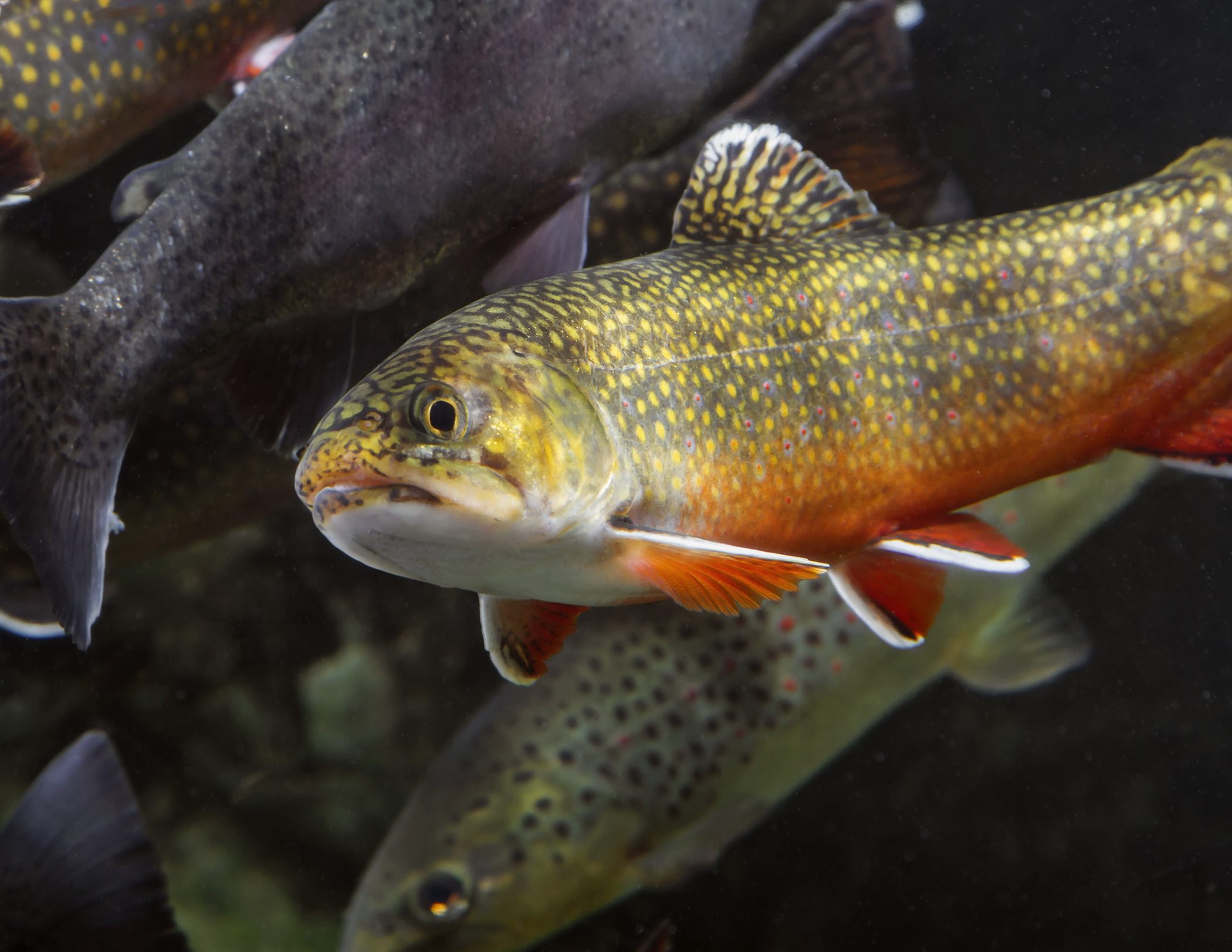
Any angler who’s caught a lake sturgeon or Southern Appalachian brook trout recently has the TNACI to thank. The institute and its partners are singlehandedly responsible for the reintroduction of the two species, which are growing in popularity among game fishermen. The TNACI relies on local anglers reporting their catches of the two game fish in order to track their growth and development, and thus the program’s success.
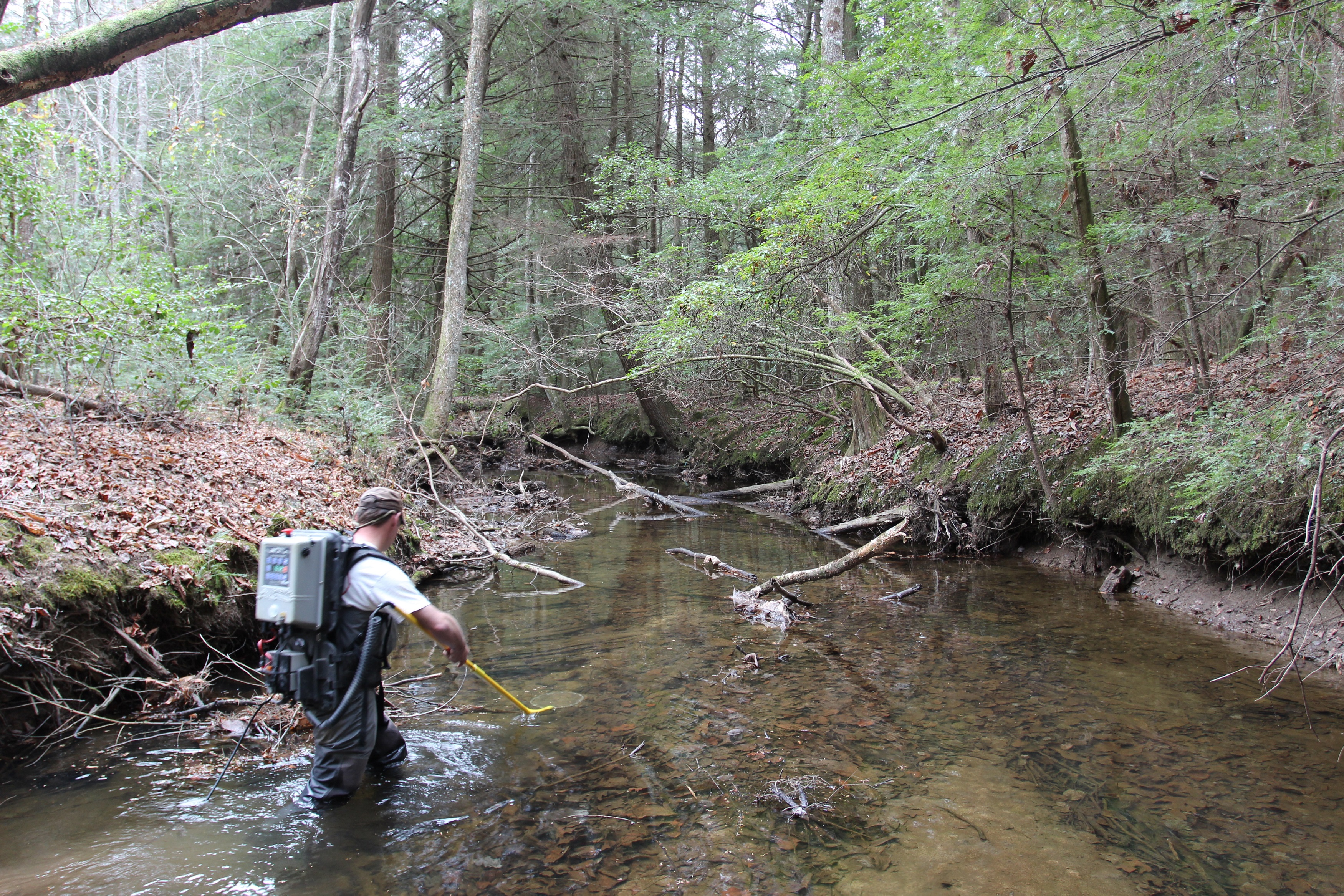
“Lots of work is being done in monitoring the quality of rivers and streams,” says George. “The water is all interconnected, so the health of one region often spreads to others. The quality of our water is absolutely key.”
While the TNACI’s efforts might not always be the most visible, even the group’s most minor efforts can lead to restoring a stream or lake into a popular spot for anglers. For instance, an endangered minnow, the laurel dace, is only found in two places in the world, and they are both on Walden’s Ridge. While seemingly innocuous, George says the fish, and others like it throughout the Tennessee Valley, are key players in each individual ecosystem.
George is currently leading the TNACI to work with the University of Georgia to create a broad, regional conservation plan to assess and understand needs across the South.
“One of our goals is to always let the Southeast know just how special it is,” she says. “We’re on the world’s biggest hotspots for diversity. We can’t just protect it, we want to make sure people know and celebrate it with us.”