
Friday, November 13, 2026Nov 13

Navajo Nation discretionary fund cases drawing to close

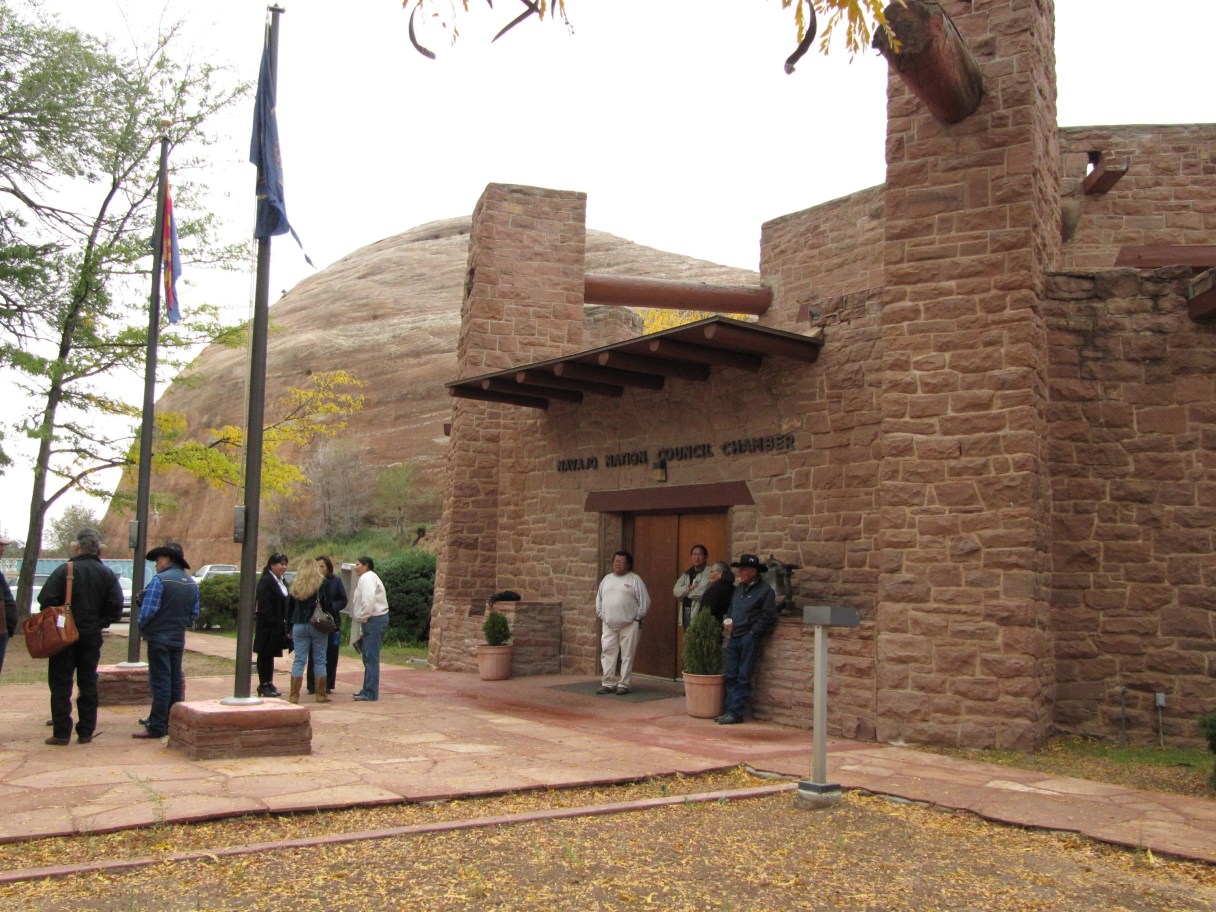
FILE - In this Oct. 21, 2010 photo, people gather outside the Navajo Nation Council chambers in Window Rock, Ariz. More than three-fourths of the 88-member Navajo Nation Council has been charged in an investigation into the use of discretionary funds. A long-running saga stemming from allegations that Navajo tribal officials schemed to give money to family members is drawing to a close. (AP Photo/Felicia Fonseca)
FILE - In this Oct. 21, 2010 photo, people gather outside the Navajo Nation Council chambers in Window Rock, Ariz. More than three-fourths of the 88-member Navajo Nation Council has been charged in an investigation into the use of discretionary funds. A long-running saga stemming from allegations that Navajo tribal officials schemed to give money to family members is drawing to a close. (AP Photo/Felicia Fonseca) FILE - In this Oct. 21, 2010 photo, people gather outside the Navajo Nation Council chambers in Window Rock, Ariz. More than three-fourths of the 88-member Navajo Nation Council has been charged in an investigation into the use of discretionary funds. A long-running saga stemming from allegations that Navajo tribal officials schemed to give money to family members is drawing to a close. (AP Photo/Felicia Fonseca)

FLAGSTAFF, Ariz. (AP) – A long-running saga over tribal officials on the Navajo Nation scheming to give money to each other’s family members is drawing to a close.

Two legal cases remain after nearly 80 onetime lawmakers originally were charged with illegally drawing money from a slush fund in what became common practice on the reservation. Tribal officials were accused of concocting all sorts of ways to get the money meant for Navajos facing extreme financial hardship. The requests included college tuition for a toddler, medical and travel expenses that turned out to be fake, vehicle repairs for a 9-year-old kid and home renovations for a teenager. Money event went to a fictitious child.

No one will be sentenced to any more than one year in jail – the maximum allowed under tribal law. The tribe could request restitution.

Here is an overview of the investigation:

THE DISCRETIONARY FUND