
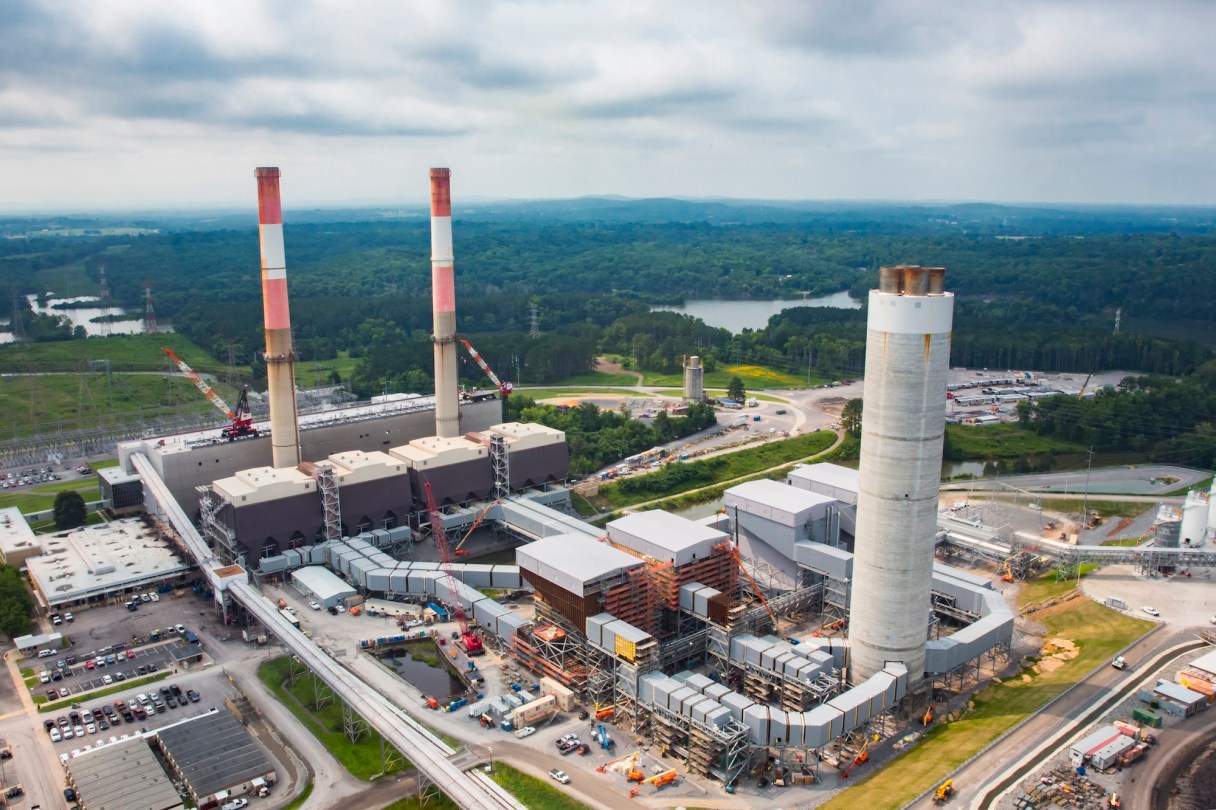
The trustees for TVA’s retirement system want employer contributions to the underfunded pension boosted by at least $25 million a year beyond what TVA offered last month in its proposal to try to close a $6 billion funding shortfall over the next two decades.
The TVA Retirement System board on Thursday countered TVA’s pension reforms with its own recommendations. Most of the seven-member pension board said they want fewer benefit reductions for older workers and retirees and a bigger annual contribution to the pension from the Tennessee Valley Authority.
The TVARS board, which governs the pension plan for nearly 35,000 TVA workers, retirees and their families, has spent the past two months reviewing a plan from TVA to shore up the pension plan. Actuaries estimate the $6.8 billion of assets in the TVA defined benefit plan represents only 53 percent of the $12.8 billion of liabilities the plan has to provide promised future benefits.
TVA President Bill Johnson outlined a plan in January, which was endorsed by TVA directors in February, to cut about $700 million of promised benefits by capping some future benefits and matching guarantees. In exchange, TVA agreed to commit to pumping $275 million into the pension plan every year even as new employees switch away from any defined benefit plan in favor of a matching 401(k) savings plan.
Johnson said the reforms should help restore the financial health of the pension plan over the next 20 years without having to make significant rate increases for TVA consumers.
TVA spokesman Jimmie Hopson said TVA management “is reviewing the revised proposal with the same care for detail and understanding used in creating the original proposal, and appreciates the thoroughness with which the TVARS board has proceeded.”
But a TVA retirement group and the National Retiree Legislative Network this week appealed to Congress for help with the pension plan, claiming that TVA’s reforms are inadequate and pension participants “will not see improvement in the funded level any time soon.”
Last month, the TVA Retirees Association also criticized the TVA pension reforms and urged TVA to do more to meet the financial obligations it made to workers and retirees during their careers.
In a three-page statement issued late Thursday following a meeting in Nashville, the seven-member TVARS board also asked TVA to do more. The TVARS board agreed to make some pension cuts and changes, but not as much as what TVA had proposed.
Any changes in the pension plan must be approved by both the TVARS board and the TVA board.
“The TVARS board understands the reasons for proposals and shares the same goal and commitment to improving the long-term health of the system and the ability of the system to provide benefits to TVA employees, retirees and beneficiaries,” the TVARS board said in a statement released Thursday. “Accordingly, the majority of directors of the TVARS board believe that minimal changes to future benefits shared across all participant groups, coupled with increased funding from TVA, are in the best interest of the system and its members and retirees.”
The TVA Retirement System trustees acknowledged some changes are necessary “and failure to act by the TVARS board on future benefits could result in unilateral action by the TVA Board, which could include termination of the system.”
TVA benefits promised in the pension plan, even after the modifications proposed in January, would still be nearly four times as generous as the average employer contributions for all American workers, according to data compiled by the Employment Benefit Research Institute. But TVA, which tries to match its salaries and benefits to industry norms, claims benefits for utility workers tend to be better than for most workers because of the higher job risks, and physical and mental demands of many jobs in the electric utility industry.
Under TVARS’ counter proposal, TVA would be asked to boost its minimal yearly contribution to the pension plan from $275 million a year to at least $300 million a year.
Since 2001, TVA has paid out more than $7.6 billion in pension benefits to retirees and former workers and their families – many of whom are living longer than was originally forecast. At the same time, TVA has contributed only about $2.2 billion since 2001 in the pension plan, in part, because the retirement system was over-funded a decade and a half ago.
Unlike private defined benefit plans, TVA retirees are not guaranteed their pension benefits.
Although TVA is a federal agency, Congress exempted TVA from the Federal Employee Retirement System but didn’t require the agency to come under ERISA regulations, which require minimum levels of employer contributions as well as insurance payments to help pay for the federal pension guarantees.
Mike Moseley, president of the Tennessee Valley Authority Retirees Coalition, and Bill Kadereit, president of the 2 million-member National Retiree Legislative Network, sent letters this week to 125 members of Congress in the Tennessee Valley asking Congress to extend the ERISA protection and requirements over the TVA pension plan.
In their letter to Congress, Moseley and Kadereit said proposed changes from TVA won’t solve the immediate problem.
“It appears is will take more than 20 years and a lot of luck for this plan to work,” Moseley and Kadereit said in their letter to Congress.
Contact Dave Flessner at dflessner@timesfree press.com or at 423-757-6340.