
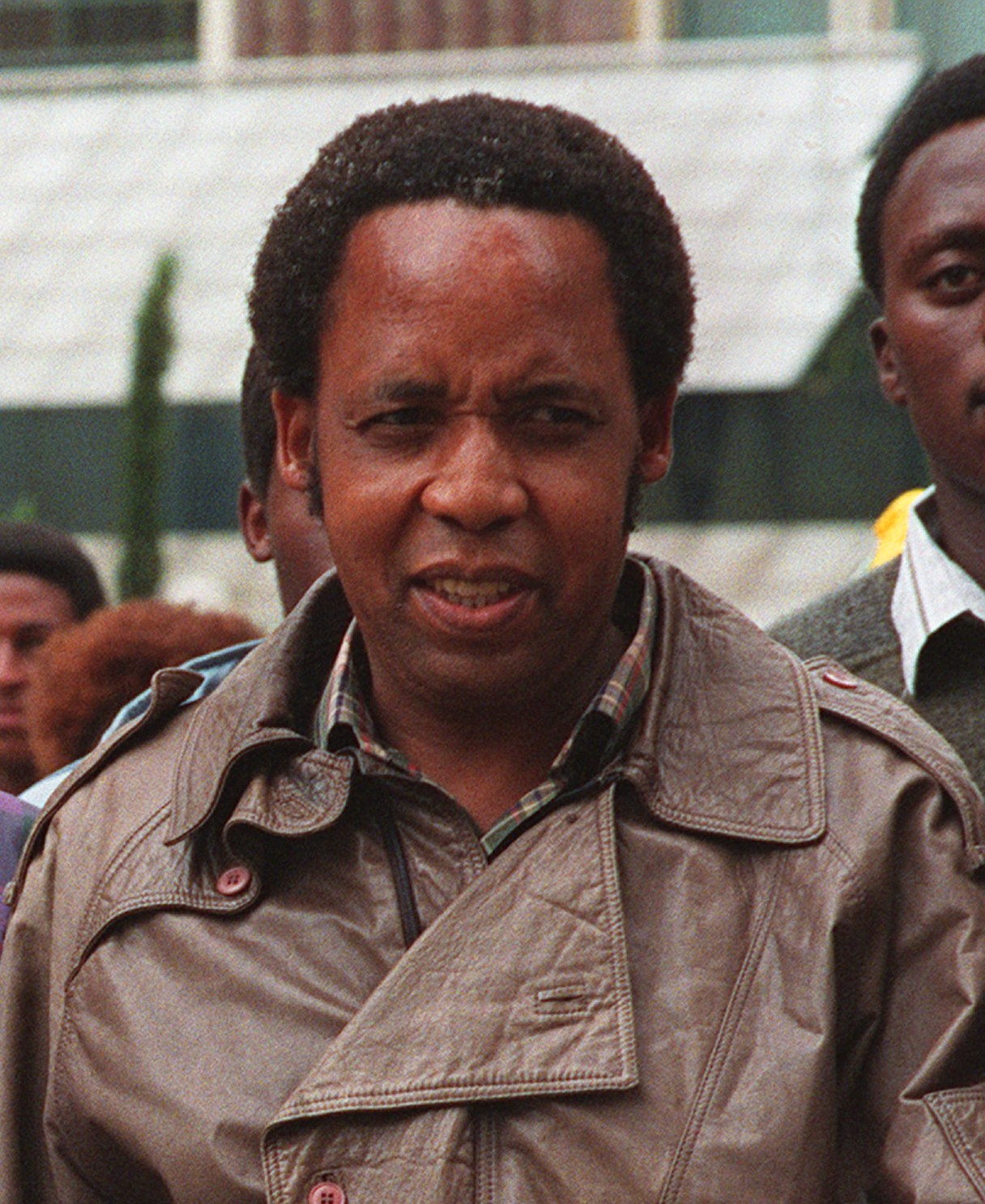
JOHANNESBURG (AP) – A jailed assassin who killed a prominent anti-apartheid leader in South Africa in 1993 won a bid for parole on Thursday, igniting bitter memories of racial unrest during white minority rule as well as fresh scrutiny of the balance between punishment and leniency for crimes committed during that era.
A Pretoria judge ordered parole within two weeks for Polish immigrant Janusz Walus, whose killing of Chris Hani stirred fears of all-out racial conflict at a time when delicate negotiations for a democratic transition were underway. Hani was head of the South African Communist Party and of the military wing of the African National Congress, the main anti-apartheid movement that later became South Africa’s ruling party.
While Nelson Mandela and other leaders at the time tamped down the anger roiling the country, and euphoria ran high after the first all-race elections in 1994, the country still grapples with its troubled legacy. In recent months, there have been more calls for prosecutions of figures from the apartheid-era government, reflecting a belief that the drive for racial reconciliation let some perpetrators off the hook and failed to improve the lives of many in the black majority.
Some of those emotional wounds reopened as news spread that 60-year-old Walus, who has served 23 years of a life sentence, would be freed on parole this month.
Hani’s wife, Limpho Hani, harshly criticized the white judge who heard a legal appeal from Walus’ lawyer and overruled the South African justice ministry’s refusal to grant parole.