
Friday, October 30, 2026Oct 30

This story is free to read.

New NASA launch control software late, millions over budget

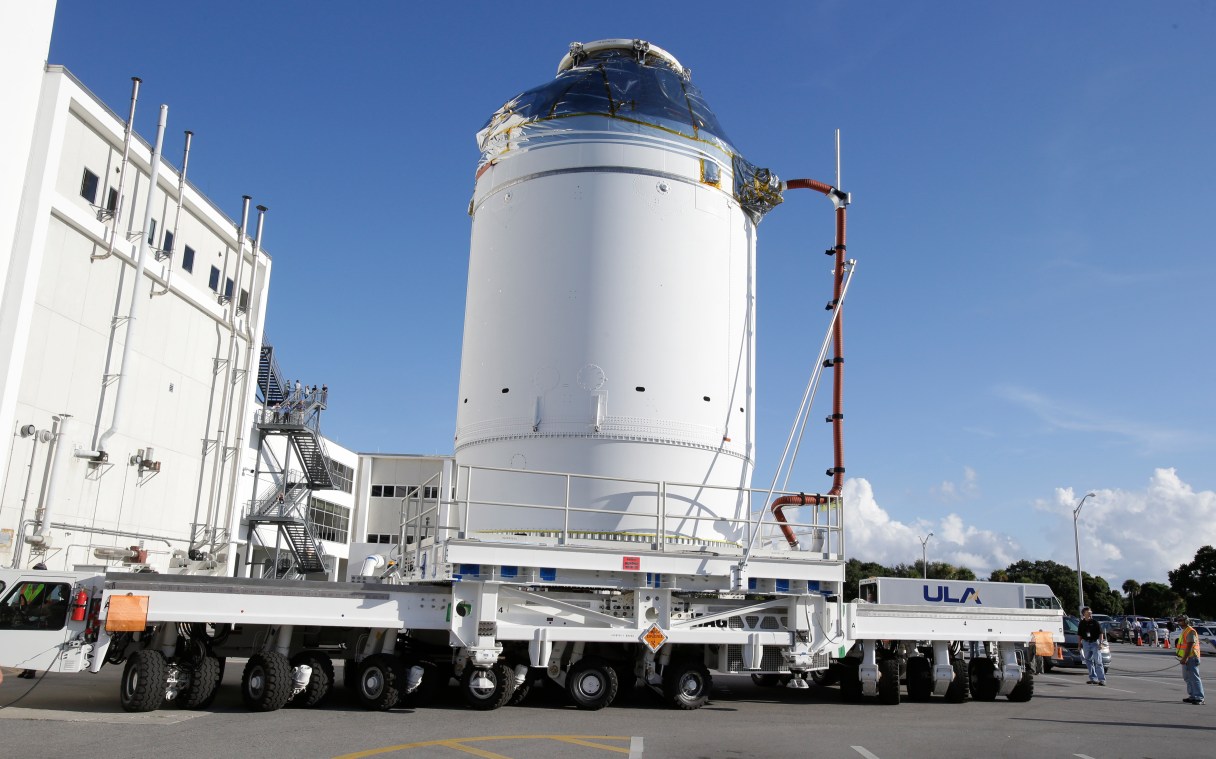
FILE - In this Sept. 11, 2014 photo, NASA's Orion spacecraft, preparing for it's first flight, departs the Neil Armstrong Operations and Checkout Building on its way to the Payload Hazardous Servicing Facility at the Kennedy Space Center in Cape Canaveral, Fla. NASA's own inspector general said Monday, March 28, 2016, that Launch control software under development for NASA's deep-space exploration program is more than a year behind schedule and tens of millions of dollars over budget.  (AP Photo/John Raoux, File)
FILE - In this Sept. 11, 2014 photo, NASA's Orion spacecraft, preparing for it's first flight, departs the Neil Armstrong Operations and Checkout Building on its way to the Payload Hazardous Servicing Facility at the Kennedy Space Center in Cape Canaveral, Fla. NASA's own inspector general said Monday, March 28, 2016, that Launch control software under development for NASA's deep-space exploration program is more than a year behind schedule and tens of millions of dollars over budget. (AP Photo/John Raoux, File) FILE - In this Sept. 11, 2014 photo, NASA's Orion spacecraft, preparing for it's first flight, departs the Neil Armstrong Operations and Checkout Building on its way to the Payload Hazardous Servicing Facility at the Kennedy Space Center in Cape Canaveral, Fla. NASA's own inspector general said Monday, March 28, 2016, that Launch control software under development for NASA's deep-space exploration program is more than a year behind schedule and tens of millions of dollars over budget. (AP Photo/John Raoux, File)

CAPE CANAVERAL, Fla. (AP) – Launch control software under development for NASA’s deep-space exploration program is more than a year behind schedule and tens of millions of dollars above projected costs, according to an internal audit released Monday.

NASA’s own inspector general conducted the audit at Florida’s Kennedy Space Center, where the agency hopes to launch its next-generation rocket on a test flight in 2018.

The goal is to send astronauts to Mars in the 2030s, using this supersize Space Launch System, or SLS, rocket and an Orion capsule. The 2018 SLS premiere will include an unmanned Orion; the first Orion with a crew should launch five years later.

NASA has agreed to an independent review once software is delivered for the 2018 test flight. In the meantime, officials said they have instituted improvements. Inspector General Paul Martin deems that satisfactory and considers the matter resolved.

Software needed to support SLS and Orion is experiencing the same startup trouble as previous command and control software programs, the audit found. Development of this new launch control software is now projected to exceed $207 million, 77 percent above 2012 projections.