
Thursday, October 29, 2026Oct 29

This story is free to read.

FCC program to help poor get online will start in December

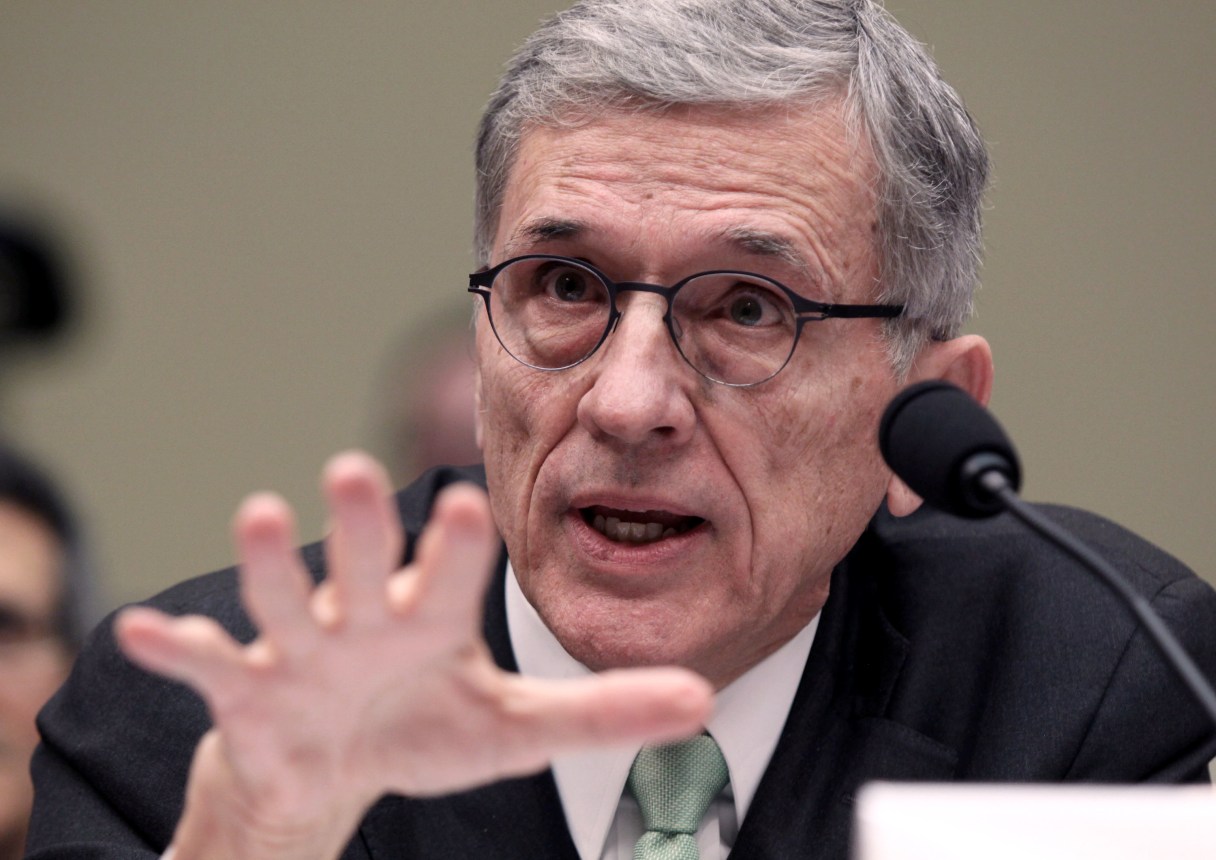
FILE - In this Tuesday, March 17, 2015, file photo, Federal Communications Commission Chairman Tom Wheeler testifies before a House committee hearing on net neutrality, on Capitol Hill in Washington. A program to get low-income Americans federal-government help paying for Internet access is targeted to start in December 2016. The FCC voted, 3-2 along party lines, Thursday, March 31, 2016, to expand the $1.5 billion Lifeline program, a $9.25-a-month subsidy, to Internet as well as phone service. (AP Photo/Lauren Victoria Burke, File)
FILE - In this Tuesday, March 17, 2015, file photo, Federal Communications Commission Chairman Tom Wheeler testifies before a House committee hearing on net neutrality, on Capitol Hill in Washington. A program to get low-income Americans federal-government help paying for Internet access is targeted to start in December 2016. The FCC voted, 3-2 along party lines, Thursday, March 31, 2016, to expand the $1.5 billion Lifeline program, a $9.25-a-month subsidy, to Internet as well as phone service. (AP Photo/Lauren Victoria Burke, File) FILE - In this Tuesday, March 17, 2015, file photo, Federal Communications Commission Chairman Tom Wheeler testifies before a House committee hearing on net neutrality, on Capitol Hill in Washington. A program to get low-income Americans federal-government help paying for Internet access is targeted to start in December 2016. The FCC voted, 3-2 along party lines, Thursday, March 31, 2016, to expand the $1.5 billion Lifeline program, a $9.25-a-month subsidy, to Internet as well as phone service. (AP Photo/Lauren Victoria Burke, File)

NEW YORK (AP) – Low-income Americans are expected to be able to apply for help from the federal government in paying for Internet access in December.

The Federal Communications Commissioners voted, 3-2 along party lines, Thursday to expand the $1.5 billion Lifeline program, a $9.25-a-month subsidy, to Internet as well as phone service. It can be used with cellphone Internet or home Internet.

It’s the latest federal government attempt to close a “digital divide” between those who have access to the Internet and those who don’t, as the ability to go online becomes seen as an increasingly important part of modern life, key for looking for jobs and going to school.

FCC Chairman Tom Wheeler said the agency is addressing abuse and fraud problems with improvements like making an independent party check that people are eligible rather than having phone or Internet providers do it.

Providers get payments for signing up customers, and then pass along discounted or free service. There had been problems with some providers signing up ineligible customers. Having someone else verify that people are ineligible could help remove the incentive for them to do that.