
Monday, November 9, 2026Nov 9

This story is free to read.

Deal signs legislation adding two members to Georgia’s Supreme Court

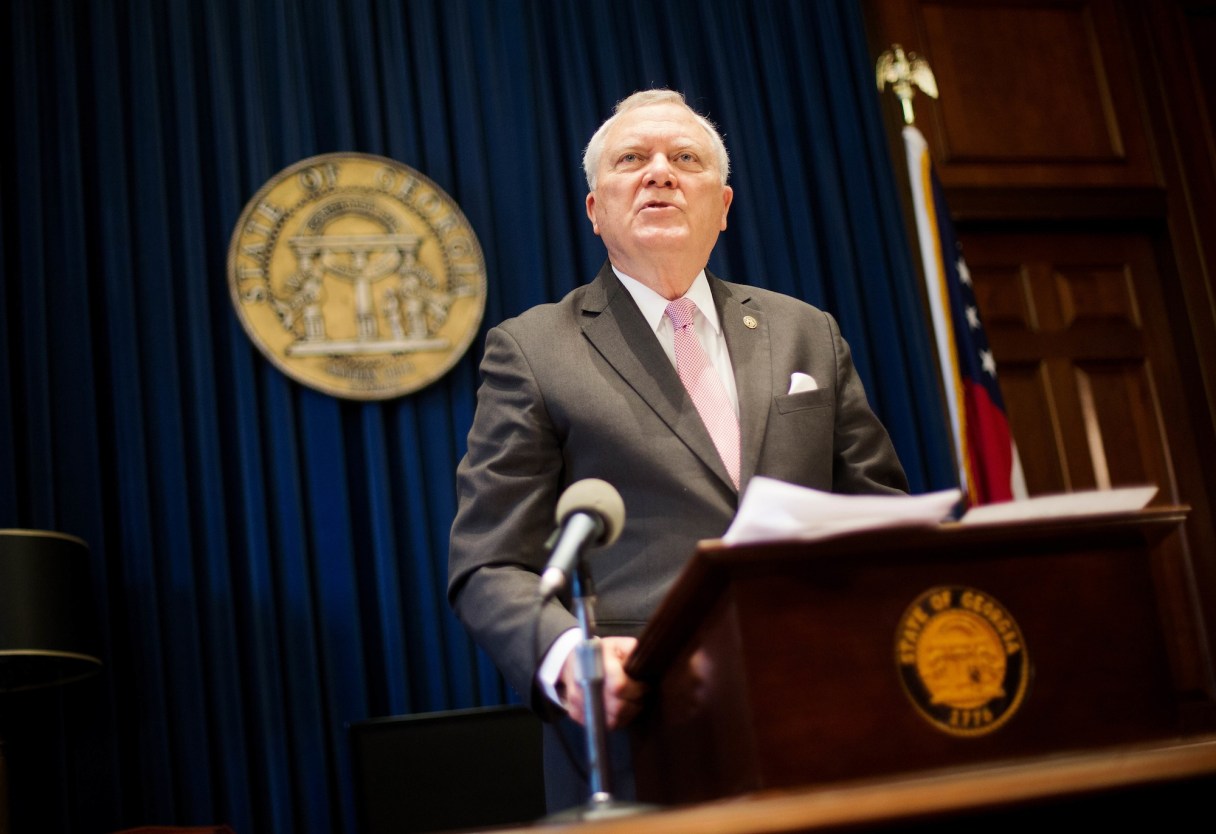
Georgia Gov. Nathan Deal speaks Monday during a news conference as he announces he has vetoed legislation allowing clergy to refuse performing gay marriage and protecting people who refuse to attend the ceremonies. The Republican rejected the bill on Monday, saying "I have examined the protections that this bill proposes to provide to the faith based community and I can find no examples of any of those circumstances occurring in our state."
Georgia Gov. Nathan Deal speaks Monday during a news conference as he announces he has vetoed legislation allowing clergy to refuse performing gay marriage and protecting people who refuse to attend the ceremonies. The Republican rejected the bill on Monday, saying "I have examined the protections that this bill proposes to provide to the faith based community and I can find no examples of any of those circumstances occurring in our state." Georgia Gov. Nathan Deal speaks Monday during a news conference as he announces he has vetoed legislation allowing clergy to refuse performing gay marriage and protecting people who refuse to attend the ceremonies. The Republican rejected the bill on Monday, saying "I have examined the protections that this bill proposes to provide to the faith based community and I can find no examples of any of those circumstances occurring in our state."

ATLANTA – Georgia’s Supreme Court will expand by two members, both appointed by Gov. Nathan Deal.

The Republican signed legislation Tuesday increasing the court’s size from seven to nine under state law. Georgia’s constitution already permitted up to nine justices.

Supporters of the change argue that the state’s growing population requires more justices. Opponents in the legislature said Deal’s appointments will shape the court politically for years to come.

Deal is also expected to replace two sitting justices before the end of his final term in office. The state constitution requires justices to retire by age 75 or risk retirement benefits.

Deal has not indicated whom he will appoint to serve through the end of 2018 in the newly created positions. All justices run in nonpartisan elections for six-year terms but rarely lose.