
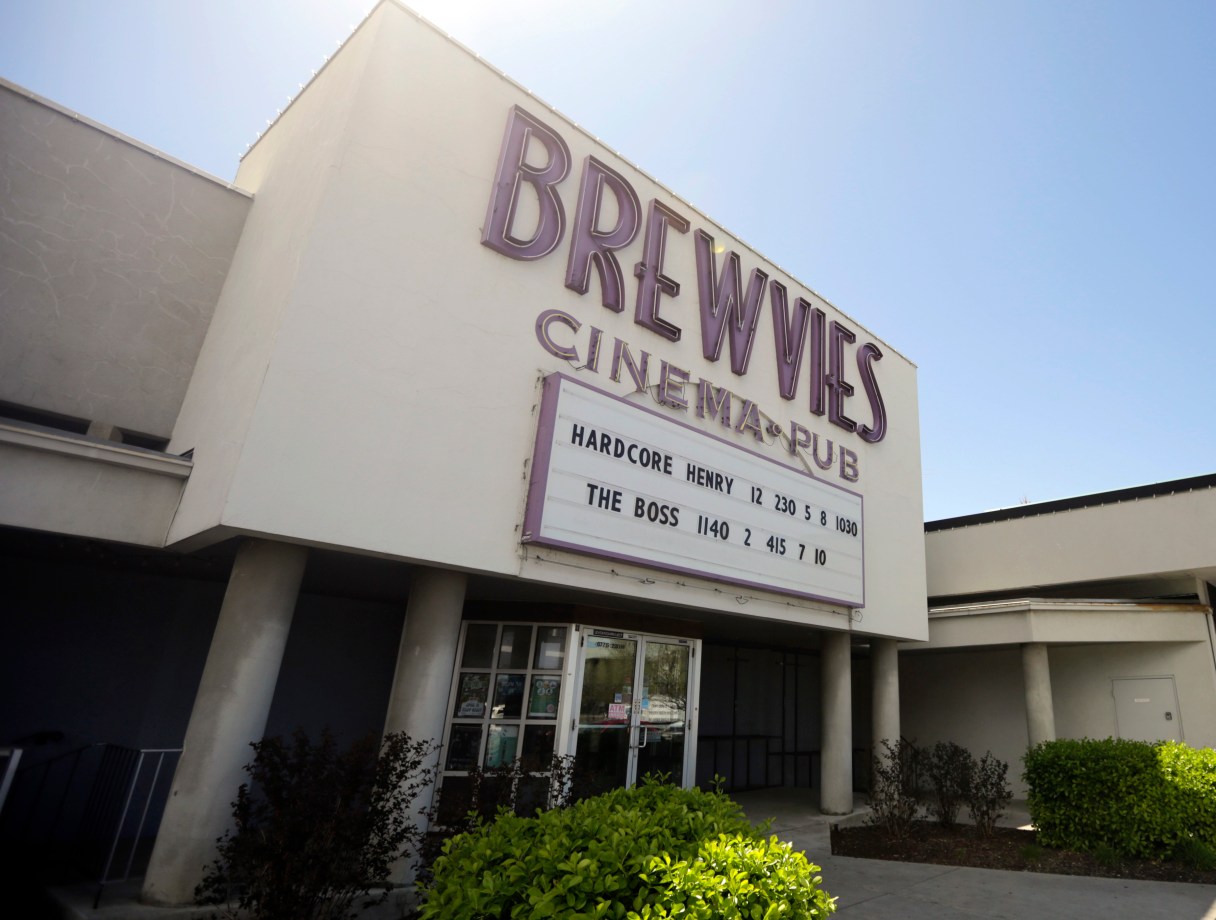
SALT LAKE CITY (AP) – A Utah cinema in trouble with state regulators for serving alcohol during a showing of superhero film “Deadpool” will not get slapped with future citations under an obscenity law mostly regulating strip clubs, as long as the theater’s lawsuit plays out in court.
The state Department of Alcoholic Beverage Control agreed that officials would not cite Brewvies for any screenings with alcohol as long as the films are rated “R” or less, state lawyers said during a federal court hearing Tuesday in Salt Lake City.
Utah filed a complaint against the theater under a state law generally used to require strip clubs that serve liquor to keep their dancers wearing G-strings and pasties. But the law also bans serving booze during films with simulated sex or full-frontal nudity.
Playing “Deadpool” while serving alcohol violated the law because the movie includes nudity and simulated sex, including a suggestive scene in the film’s credits involving a cartoon unicorn, the state said.
Brewvies argues that the law is so broad it would apply to an exhibit of Michelangelo’s statue “David.” Brewvies attorney Rocky Anderson said the state has used the law to intimidate the theater and violate its free speech rights, citing it in the past for showing films such “The Hangover Part II” while selling drinks.