
Friday, November 13, 2026Nov 13

Oculus responds to Sen. Al Franken’s VR privacy questions

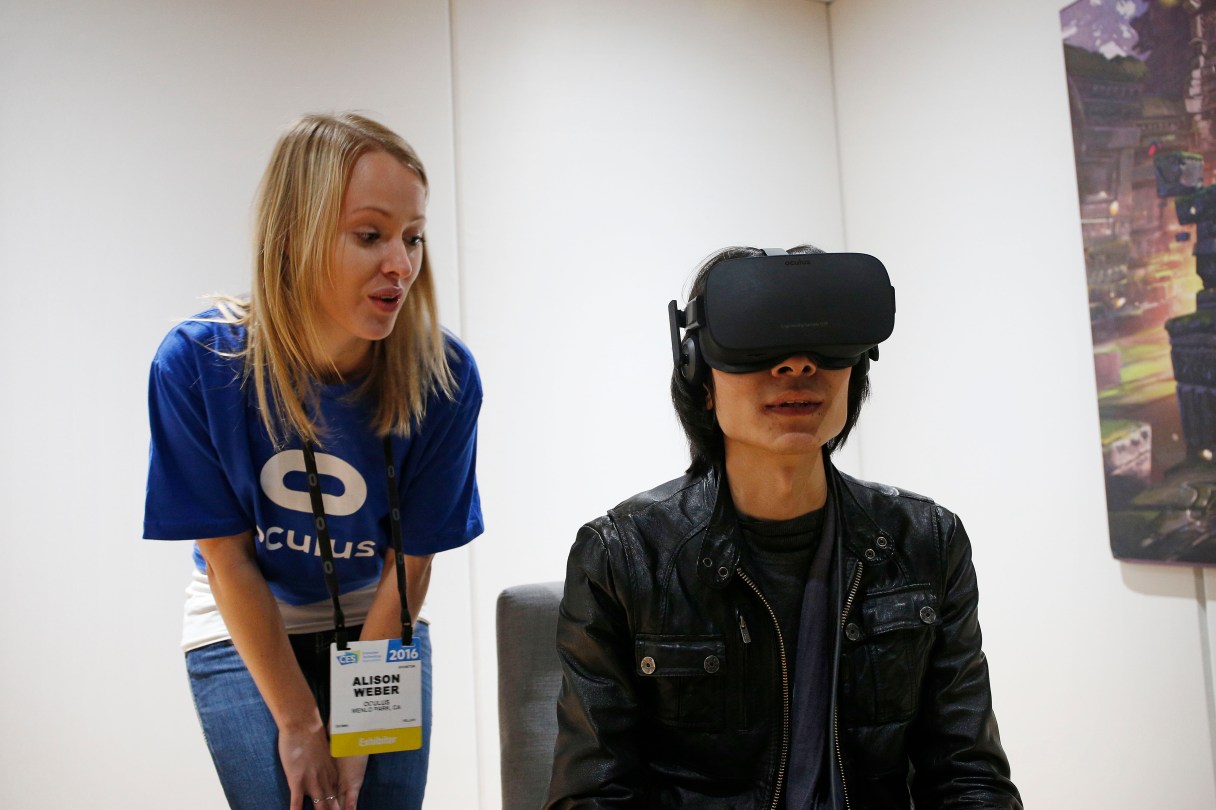
FILE - In this Jan. 6, 2016 file photo, Alison Weber, left, instructs Peijun Guo on using the Oculus Rift VR headset at the Oculus booth at CES International in Las Vegas. Oculus has responded to Sen. Al Franken's questions about consumer privacy when using the Oculus Rift virtual reality system. They say collecting the physical movements of users is a necessary tool to deliver "a safe, comfortable and seamless VR experience." (AP Photo/John Locher, File)
FILE - In this Jan. 6, 2016 file photo, Alison Weber, left, instructs Peijun Guo on using the Oculus Rift VR headset at the Oculus booth at CES International in Las Vegas. Oculus has responded to Sen. Al Franken's questions about consumer privacy when using the Oculus Rift virtual reality system. They say collecting the physical movements of users is a necessary tool to deliver "a safe, comfortable and seamless VR experience." (AP Photo/John Locher, File) FILE - In this Jan. 6, 2016 file photo, Alison Weber, left, instructs Peijun Guo on using the Oculus Rift VR headset at the Oculus booth at CES International in Las Vegas. Oculus has responded to Sen. Al Franken's questions about consumer privacy when using the Oculus Rift virtual reality system. They say collecting the physical movements of users is a necessary tool to deliver "a safe, comfortable and seamless VR experience." (AP Photo/John Locher, File)

LOS ANGELES (AP) – The virtual reality company Oculus relies heavily on Facebook for security and shares information about its users with VR creators.

Those details were among the insights Oculus provided in response to Sen. Al Franken’s questions about consumers’ privacy when using Oculus’ VR systems.

Franken posted the response from the Facebook-owned company Thursday detailing how Oculus collects and stores user data.

Oculus’ head-mounted Rift system features a pair of high-definition screens that surrounded users’ visions with views of virtual worlds. The headset is worn on users’ heads and can detect movement, location and sound.

Oculus said collecting the physical movements of users is a necessary tool to deliver “a safe, comfortable and seamless VR experience.”