
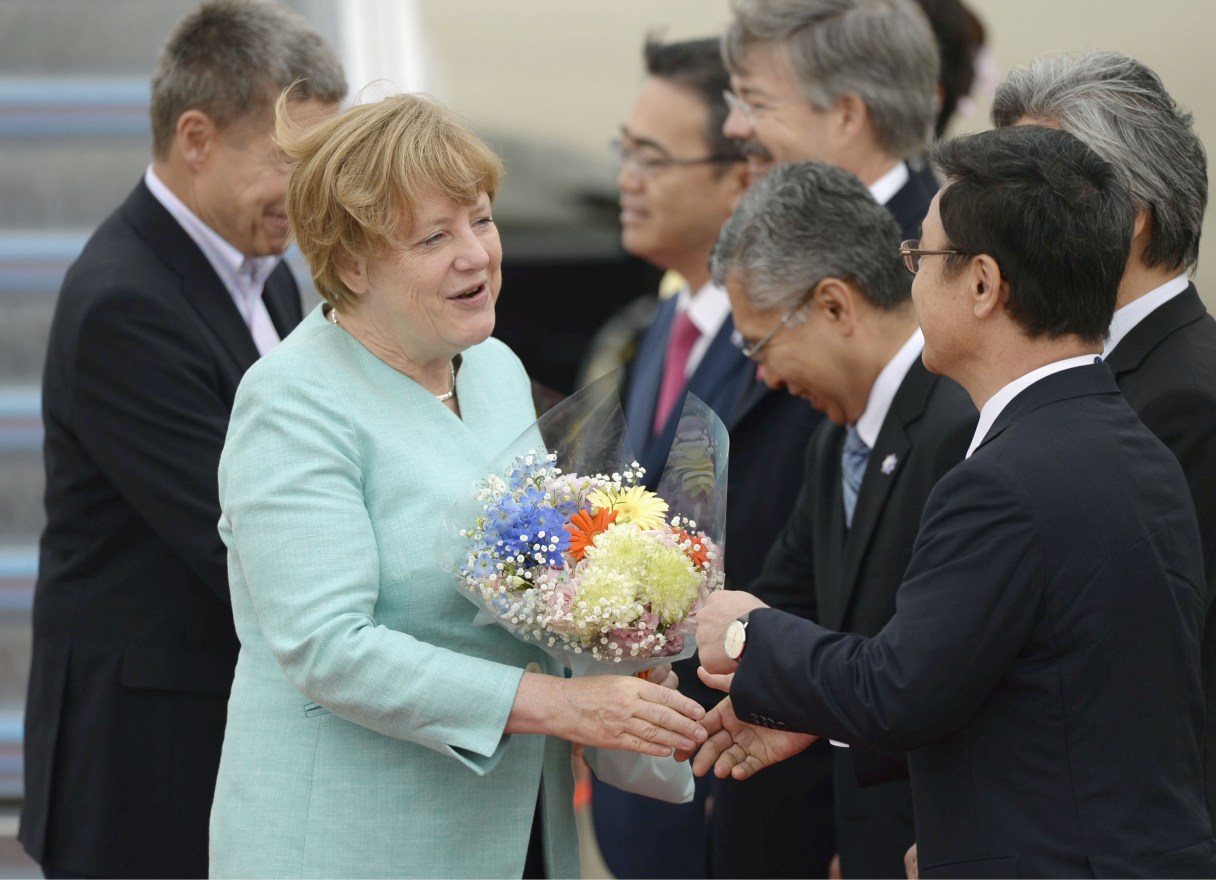
ISE, Japan (AP) – Japanese Prime Minister Shinzo Abe and fellow leaders of the Group of Seven advanced economies will begin their summit Thursday with a visit to Ise Shrine, the most hallowed site for Japan’s indigenous Shinto religion – one of many aspects of the gathering that dovetail with Abe’s long-term diplomatic and political agenda.
As host, to the extent that it can, Abe’s government has shaped the G-7 program to showcase his own political and economic platform, taking “leadership in guiding the world by showing the best path forward for peace and prosperity,” according to an agenda distributed by the Foreign Ministry.
The leaders will start out their program with a visit to Ise (Ee-say) Shrine, the holiest site in the Shinto religion, which during the first half of the 20th century was used by Japan’s militarist government as a way to rally the population behind its invasion of wide swaths of Asia before and during World War II. After Japan’s defeat, state Shinto was banned, but the conservative prime minister has used it as a way to promote traditional cultural and social values.
Abe made a visit a day earlier to the shrine to pray for a good summit.
Japanese officials said the intent was not to conduct any religious formalities. It can give the foreign leaders a sense of the “air, water, nature and atmosphere” of the shrine, foreign ministry spokesman Yasuhisa Kawamura said Wednesday. “Ise is the place to present the beauty of nature and the richness of our culture and long tradition.”