
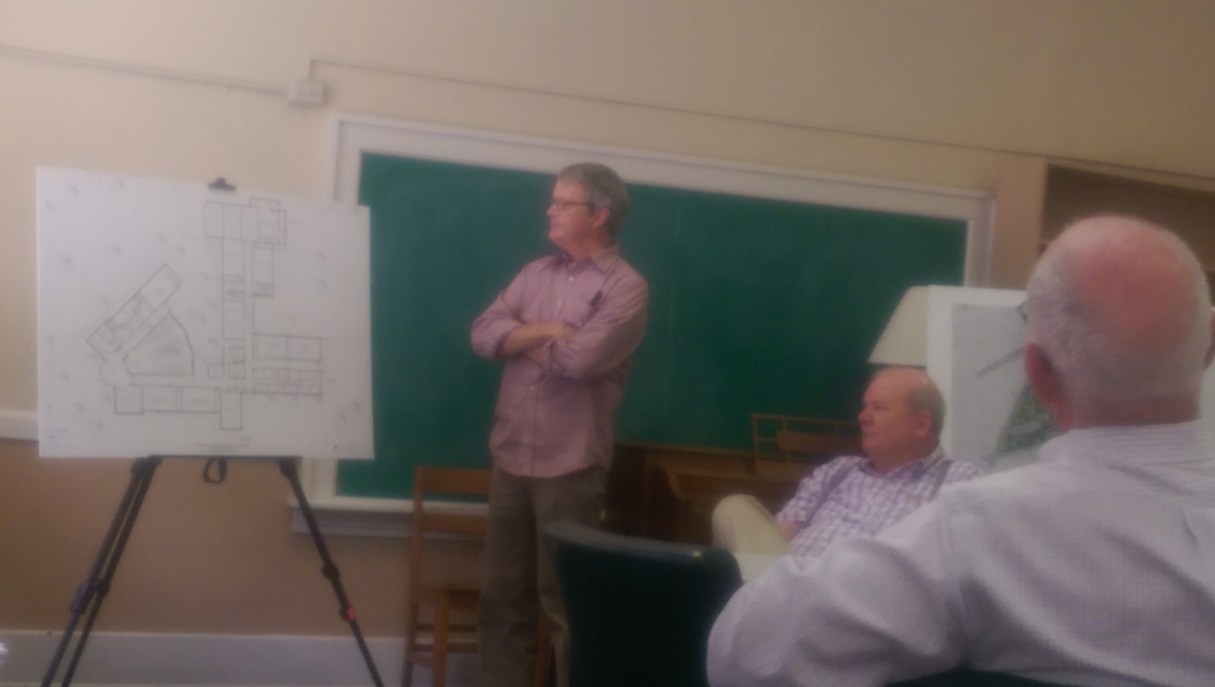
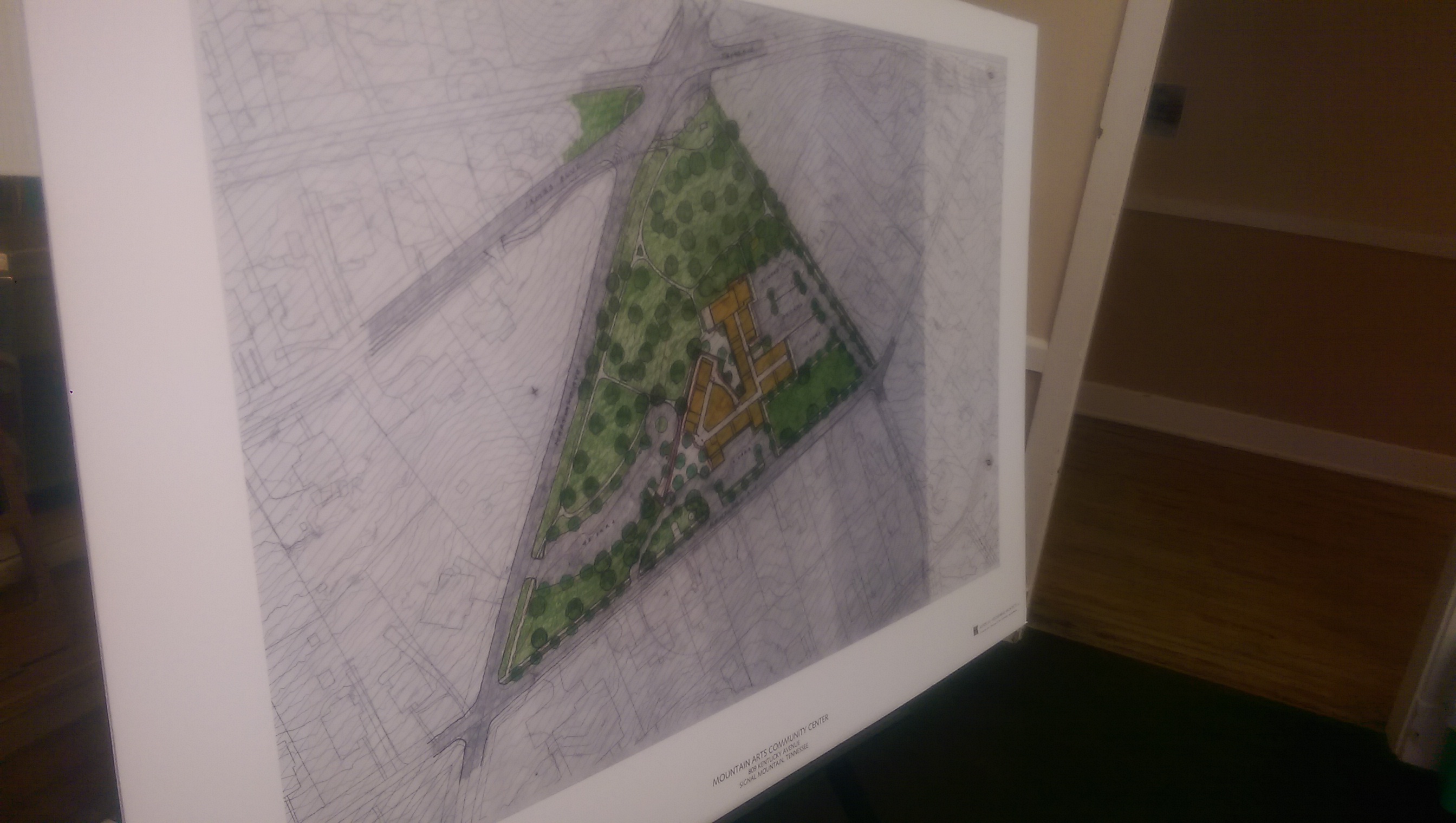
 Hefferlin + Kronenberg laid out an extremely detailed three-phase plan to take the MACC from the state it’s in now to a multifaceted community center. The full cost of the plan is roughly $5.8 million, though members of the Town Council said the third phase is such a long way off that it’s not really a consideration at this time.
Summer camp at MACC
Registration recently opened for summer camps at the MACC. They are set to start June 6, and will run until July 21. Classes offered include art, music, dance, cooking and a number of opportunities for adults. Visit signalmacc.org or stop by the MACC to register.
An itemized list of expenses and costs associated with the renovation and restoration of the MACC was discussed at a May 17 meeting between the Signal Mountain Town Council and the MACC Board. Dave Hammel of Raines Brothers Inc. put together and presented the funding report.
A detailed summary of exactly what the various phases suggested by local architectural firm Hefferlin + Kronenberg would cost the town was contained in the report. The Council has yet to make any sort of decision regarding what work will be done on the MACC, and council members at the meeting said further meetings would be necessary to hammer out a consensus among the council.
“I think they did an outstanding job of producing this proposal,” Mayor Dick Gee said at the meeting. “It’s an absolutely sound basis to make our decisions. I think we’re all very appreciative.”
According to Gee, Hefferlin + Kronenberg went above and beyond what the town had contracted them for in regards to the visioning process and physical-needs assessment for the MACC. Described as “very engaged and energetic” by the mayor, the architects who drew up the plans created a multi-tiered plan that extends years into the future for a complete vision on what the MACC could be.
Phase 1-A in the report entails a restoration of the historic part of the building, while Phase 1-B covers the newer portion of the MACC. Among the biggest issues plaguing both sections are water getting under the building and creating structural damage, a lack of Americans with Disabilities Act compliance, drainage and electrical issues and a lack of a sprinkler system.
The newer, rear portion of the building will be surprisingly expensive to bring up to code, the report found, due to elevation increases in the land the building is on which would drive up the costs associated with bringing it in compliance with ADA standards. The current estimated cost of 1-A is $1,231,427, and 1-B is $1,495,432.
While the council agreed that restoration of the historic part of the building is of vital importance, restoring the rear part of the building was less agreed upon. Councilman Chris Howley suggested looking into the costs of demolishing the newer, rear part of MACC and constructing a new wing that would adequately serve the building’s needs.
“I’ve been looking at construction averages for another project, and while there would be additional costs to tear it down, demolition isn’t expensive,” he said. “We could accomplish the ultimate goals of the project with similar funds for better functionality.”
Gee agreed, saying that if a new structure can handle the MACC’s needs in regards to meetings, lessons and education, they could focus more on the historical aspect of the old wing.
The council agreed to further investigate the issue at a later date.
Phase II of the project entails bringing the MACC above and beyond its original functionality. Such projects include creating a courtyard on the property, dividing up classrooms currently used for music instruction into smaller rooms to increase space, renovating bathrooms, creating a men’s and women’s dressing room for the theater and installing an art gallery.
The cost of Phase II was listed at $1,958,824. The council generally agreed that simply bringing the MACC back up to the status quo wasn’t enough, but how specifically to improve it was undecided.
“We’d be looking at an expenditure of $2.7 million for a building that is usable, but not exceptional, and probably requiring premium costs to maintain,” said Howley.
MACC Director Barb Storm said she “was very encouraged by the questions the council raised at the meeting.
“We have to make decisions based on full knowledge, and the Council is searching for good, solid reasons to do whatever they decide to do.”
Council members stressed that Phase III is simply a distant vision at this point, with projects such as completely repaving the parking lot, refinishing the auditorium, redoing the kitchen and cafeteria and creating an enclosed walkway and adding a sculpture garden outside the building. Combined, that would cost $1,206,633.
Hammel discussed at length the rising costs of the project the longer the town waits. The total cost of all three phases right now is estimated at $5,892,317. By 2026, the projected cost could rise up to $11.5 million depending on the rate of inflation, he said.
A similar visioning process for the building took place in 2011, and laid out much of what was discussed at the meeting on May 16. Storm said the difference now lies in the Town Council.
“I give so much credit to [Town Manager] Boyd Veal and [Mayor] Dick Gee,” she said. “They’re the type of leaders who will take responsibility for the things they need to do. It’s very proactive, and it’s wonderful to see.”
The old visioning process was done gratis by Bob Franklin of Franklin Architects on Signal Mountain. Storm said the cost at that time was roughly $1.6 million, though the new vision was written to deal with a number of structural issues the town wasn’t aware of in 2011.
Gee and Veal both said that, to their knowledge, the town has never organized a capital fundraising campaign to fund the town’s needs, and couldn’t envision such a campaign being organized now. Previously, The MACC Foundation had raised roughly $28,000 to purchase a sprinkler system for the building, which the town still has earmarked for that project.
“I think we can come with a big win here, something that makes a lot of people happy,” Gee said at the conclusion of the meeting.