
Sunday, November 8, 2026Nov 8

This story is free to read.

Swedish court denies detention hearing request by Assange

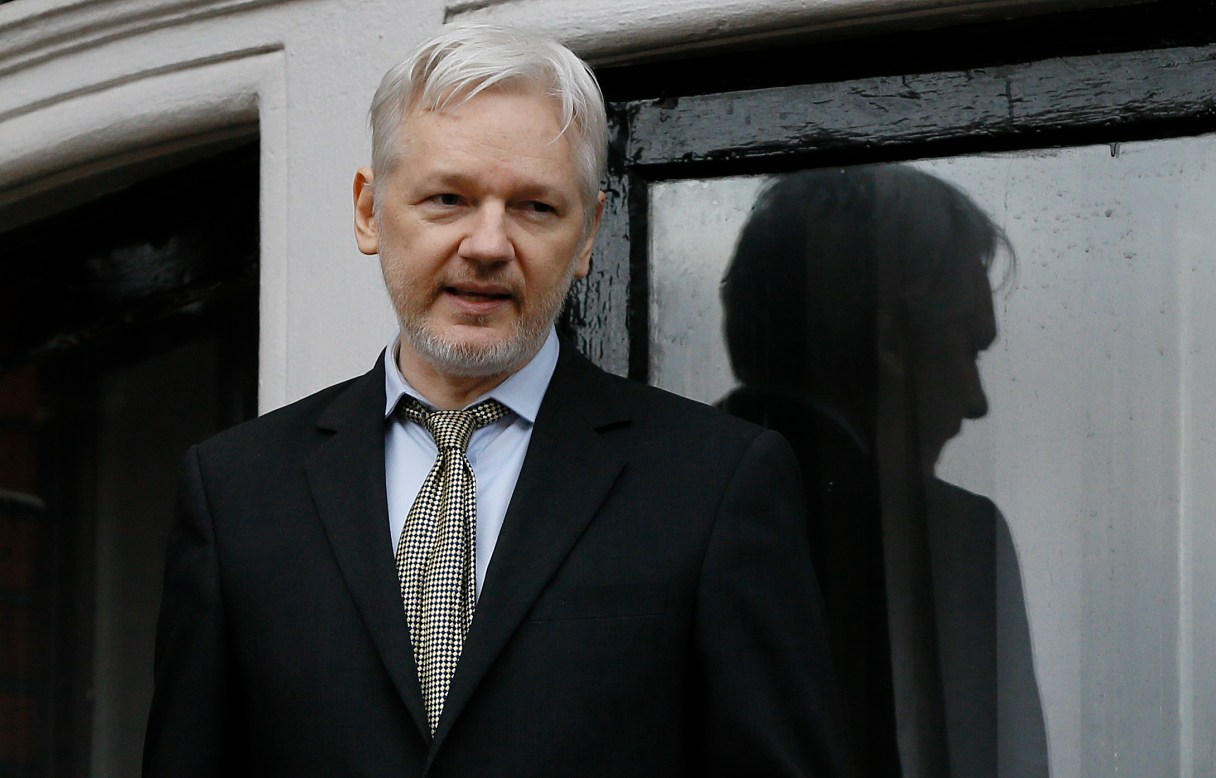
FILE - In this Friday Feb. 5, 2016 file photo, Wikileaks founder Julian Assange speaks from the balcony of the Ecuadorean Embassy in London. A Swedish court said Wednesday May 25, 2016, it has turned down a request to overturn the arrest warrant of WikiLeaks founder Julian Assange because Assange is still wanted for questioning in a case of suspected rape and there is a possibility he might evade prosecution. (AP Photo/Kirsty Wigglesworth, File)
FILE - In this Friday Feb. 5, 2016 file photo, Wikileaks founder Julian Assange speaks from the balcony of the Ecuadorean Embassy in London. A Swedish court said Wednesday May 25, 2016, it has turned down a request to overturn the arrest warrant of WikiLeaks founder Julian Assange because Assange is still wanted for questioning in a case of suspected rape and there is a possibility he might evade prosecution. (AP Photo/Kirsty Wigglesworth, File) FILE - In this Friday Feb. 5, 2016 file photo, Wikileaks founder Julian Assange speaks from the balcony of the Ecuadorean Embassy in London. A Swedish court said Wednesday May 25, 2016, it has turned down a request to overturn the arrest warrant of WikiLeaks founder Julian Assange because Assange is still wanted for questioning in a case of suspected rape and there is a possibility he might evade prosecution. (AP Photo/Kirsty Wigglesworth, File)

HELSINKI (AP) – A Swedish court has turned down a request to overturn the arrest warrant of WikiLeaks founder Julian Assange.

The Stockholm District Court says it made the decision because Assange is still wanted for questioning in a case of suspected rape and there is a possibility he might evade prosecution.

The court said Wednesday that no new circumstances had come to light warranting another detention hearing.

Assange, who has been holed up in the Ecuadorean Embassy in London since 2012, is wanted for questioning by Swedish police over rape allegations when he visited the country in 2010.

The court said that it disagrees with an earlier U.N. panel hearing, which found Assange’s stay at the embassy constitutes arbitrary detention.